Paper Plate Axolotl Craft
This post may contain affiliate links.
Looking for a simple and sweet axolotl craft? We created a paper plate axolotl craft using handprints for the gills! This is a wonderful craft for preschool and early elementary kids to learn through play! Kids of all ages are fascinated with axolotls. We even have a pet one of our own at our house!

We recently were gifted a delightful picture book that’s full of charm, sibling squabbles, and fascinating science. It’s called Axolotl and Axolittle, and it’s the perfect launchpad for a themed day of reading, crafting, and learning all about this unusual amphibian!
About the Book: Axolotl and Axolittle
In this sweet and silly story, we meet two very different siblings. Axolotl, the big sister, is loud, rowdy, and always ready to make waves. Her little brother, Axolittle, prefers peace and quiet. As they navigate their differences, they learn how to listen, understand, and love each other.
It’s a lovely reminder for any child with a sibling (or opposite personality!) that even the most different hearts can still be connected by love.
This book is great for:
-
Storytime with preschoolers
-
Social-emotional learning
-
Sibling dynamics
-
Animal-themed reading units
Paper Plate Axolotl Craft with Handprint Gills
Let your kids bring their favorite axolotl sibling to life with this colorful, low-prep and fun craft!
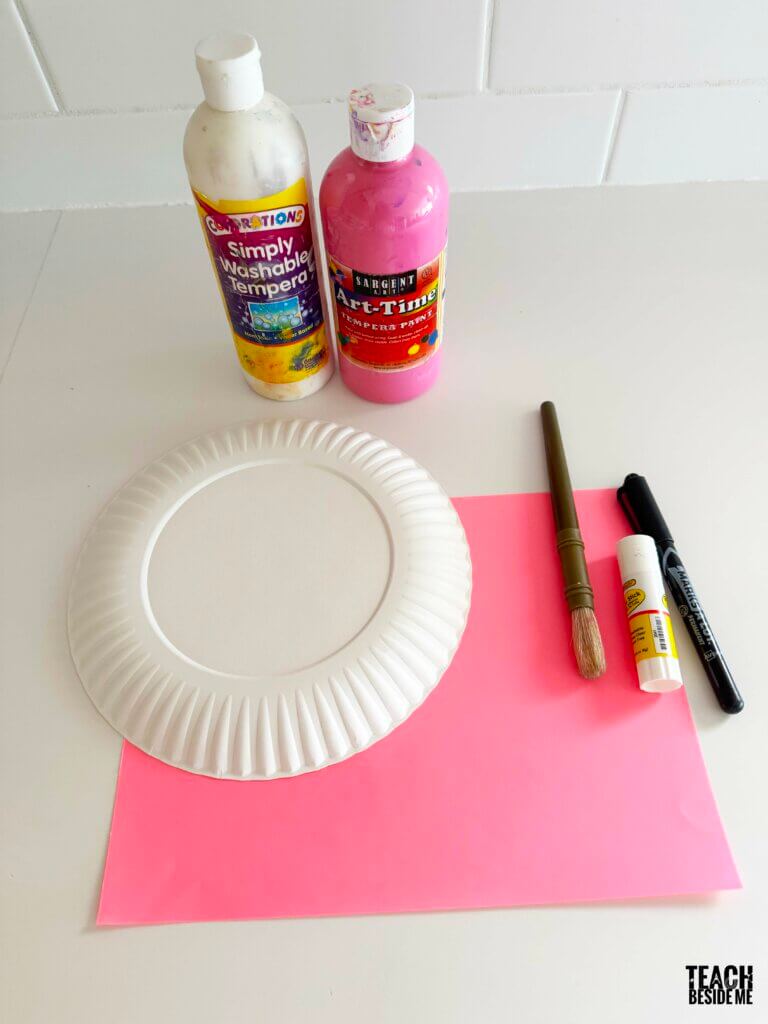
You’ll Need:
-
Glue bottle or glue stick
-
Scissors
-
Crayons or markers
Instructions:
Paint or decorate the plate pink if desired. You can also start with a pink paper plate. 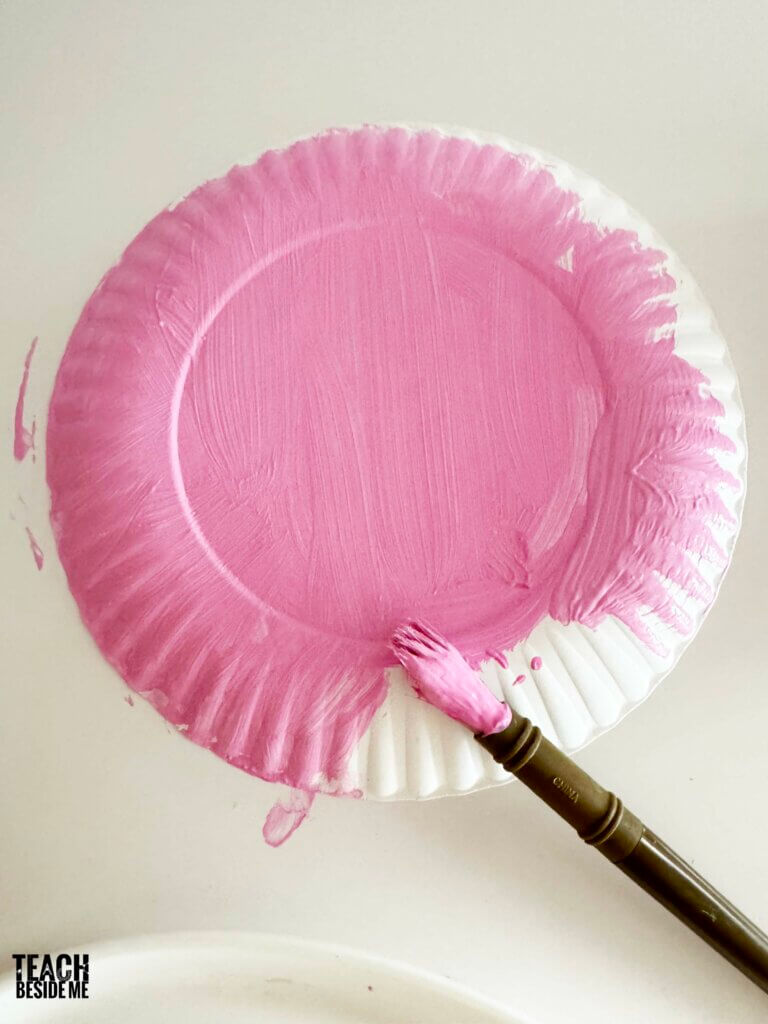
Trace and cut two handprints from pink paper. You will only need three of the fingers, so trim off the thumb and pinkie fingers of the handprint. 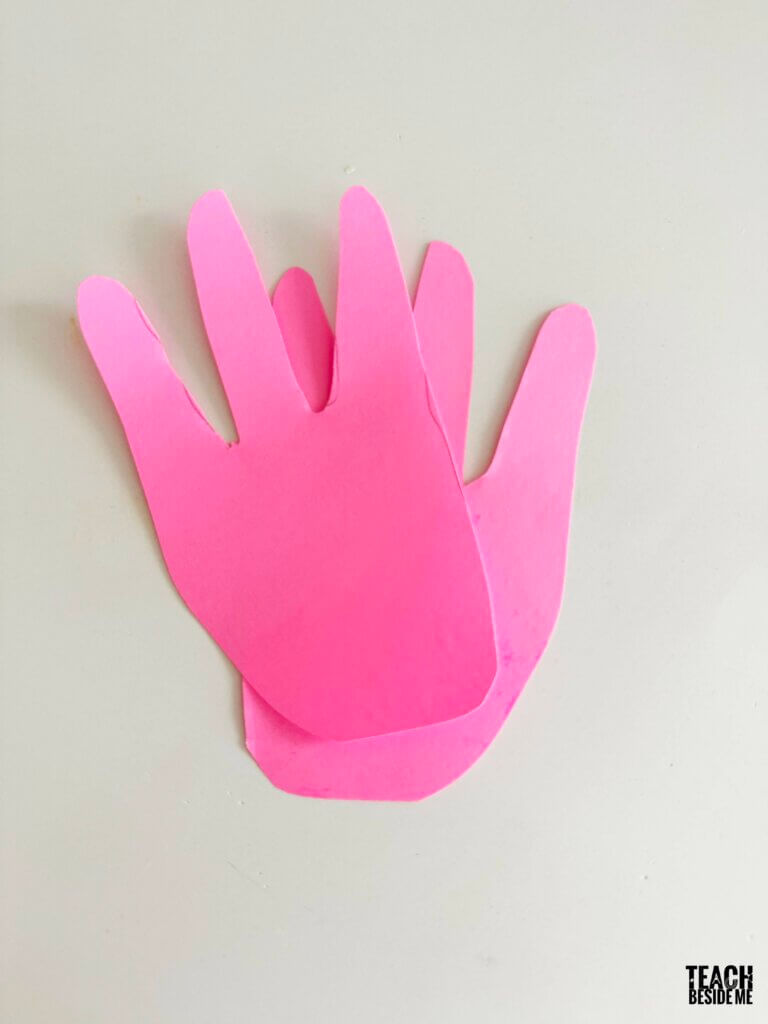
Glue the handprints to the back on both sides of the plate for the gills.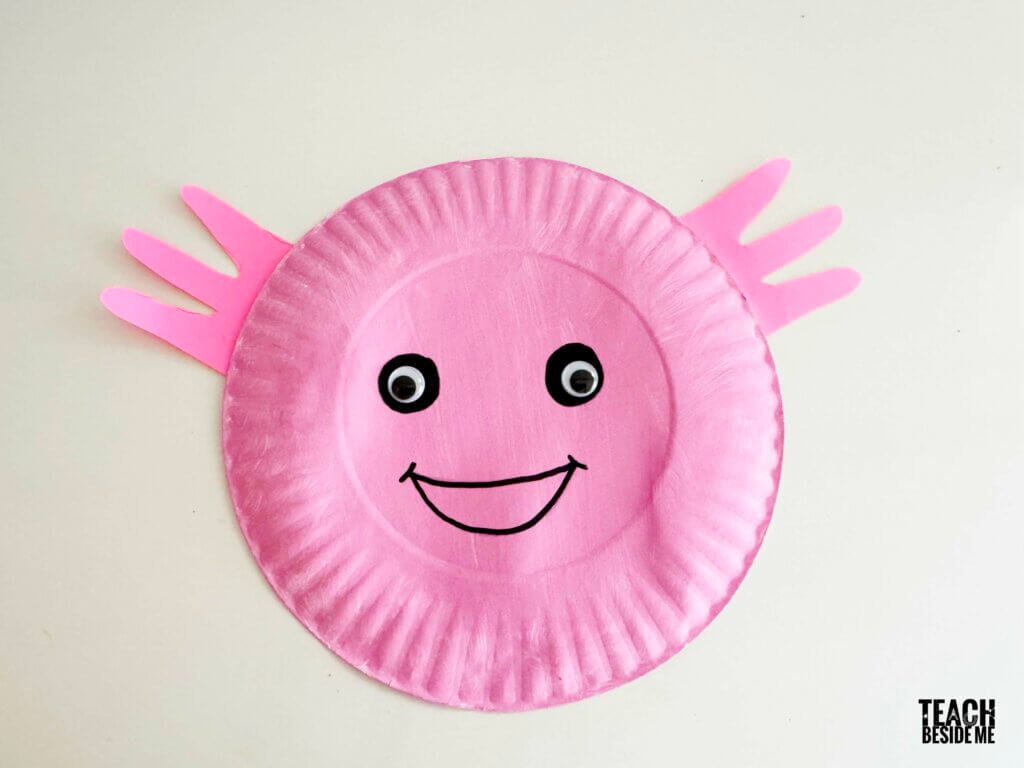
Attach googly eyes and draw a big smile.
Add spots, hearts, or other designs if desired to give your axolotl personality.
Follow the story and make both siblings—one rowdy and bright for Axolotl, one gentle and calm for Axolittle!
This cute craft will be great for kids’ fine motor skills!
Interesting Facts About Axolotls
These adorable creatures aren’t just storybook stars—they’re real life amphibians with some seriously cool features.
Axolotl Fun Facts:
-
Axolotls live only in lakes in Mexico, like Lake Xochimilco.
-
They never grow up like other salamanders! They keep their baby features forever.
-
They have frilly gills that help them breathe underwater.
-
Axolotls can regrow body parts—even parts of their heart or brain!
-
Wild axolotls are endangered animals, but they’re commonly seen in aquariums.
Axolotl Life Cycle
As you do this craft, learn about the life cycle of these interesting animals! It’s a bit different than other amphibians. (I have a printable for it underway!)
Most amphibians change from eggs to tadpoles to adults—but axolotls are special. They stay in their larval (baby) stage forever, which makes their life cycle extra unique.
1. Egg
Axolotls start in jelly-like eggs laid in water.
2. Hatchling
They hatch into tiny babies with tails and frilly gills.
3. Juvenile
They grow legs and get bigger, but still live underwater.
4. Adult
Even as adults, they keep their gills and stay in water—they never become land salamanders like frogs or most salamanders!
What If They Did Become Land Salamanders?
In special lab settings, scientists can give axolotls hormones to make them metamorphose into land salamanders. But it’s not easy for them, and it doesn’t happen naturally.
Here’s what changes:
-
They lose their gills and start breathing air with lungs.
-
Their skin thickens for dry land.
-
Their legs grow stronger to walk.
-
Their tail and body change shape to suit land life.
But here’s the twist—axolotls aren’t built for this! It’s stressful, and they often live shorter lives. That’s why pet axolotls and wild ones stay happily underwater.
Perfect for Preschool & Early Elementary
This book + craft + learning combo is great for:
-
Homeschool units
-
Library storytimes
-
Science centers
-
Animal-themed weeks
-
Sibling or SEL lessons
It blends literacy, art, and life science into one fun-filled, educational activity.
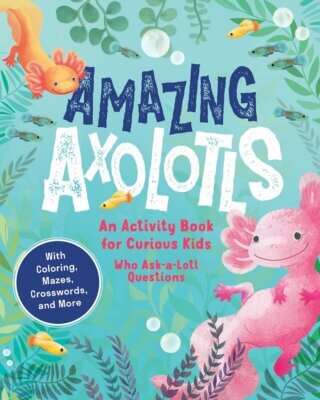
We also recently stumbled upon this book: Amazing Axolotls: An Activity Book for Curious Kids
Check Out Some of These Posts, Too:
Monarch Butterfly Life Cycle Mobile