
The Ostomachion Puzzle: Archimedes’ Ancient Math Challenge
This post may contain affiliate links.
Did you know that one of the world’s oldest known mathematical puzzles dates back over 2,000 years? The Ostomachion Puzzle (also called Stomachion) is an ancient square shaped dissection puzzle attributed to the famous Greek mathematician Archimedes.
This fascinating puzzle is similar to tangrams but with 14 unique geometric pieces that can be rearranged into hundreds of different solutions. It’s a fantastic STEM activity that combines math, logic, history, and art—making it an ideal hands-on learning experience for kids and adults alike!
In this post, you’ll learn:
- The history of the Ostomachion puzzle and Archimedes’ contribution to mathematics
- The STEM principles behind this ancient game
- How to make your own Ostomachion puzzle at home
Let’s dive into the world of mathematical discoveries and creative problem-solving!
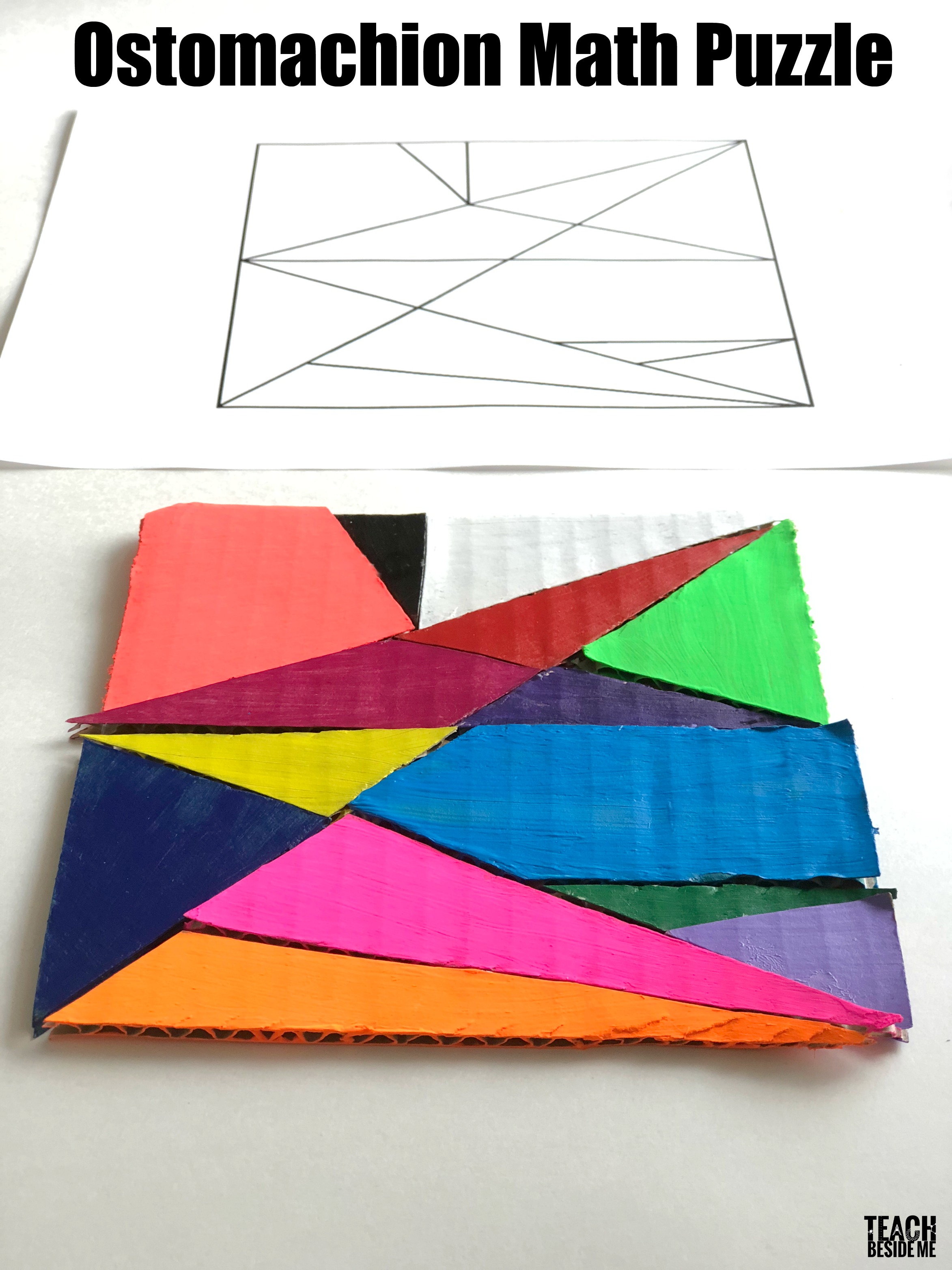
What Is the Ostomachion Puzzle?
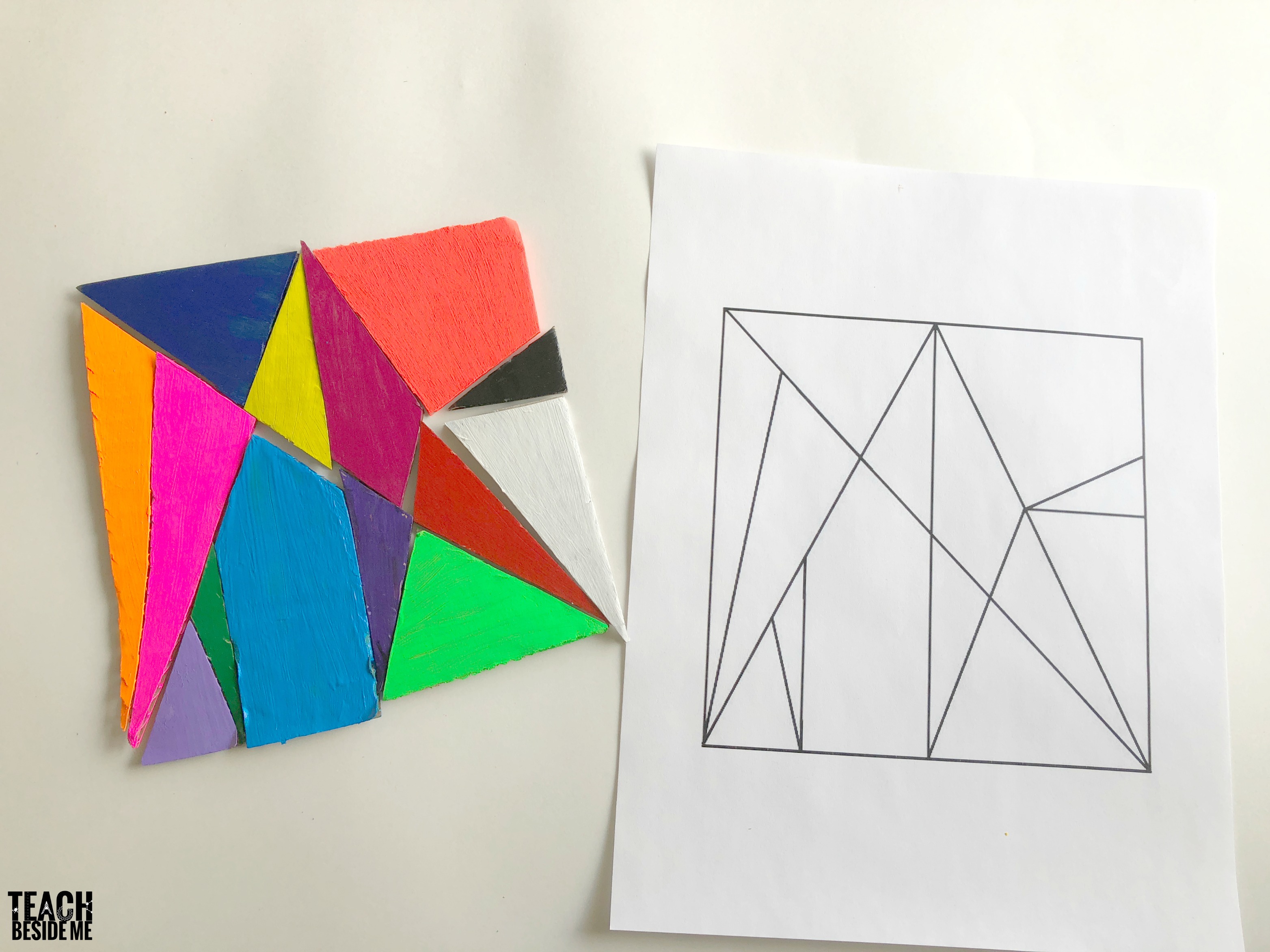
The Ostomachion is an ancient Greek mathematical puzzle that consists of 14 geometric pieces arranged into a square. These pieces can be rearranged in over 500 different and unique ways. Along with the standard square shape, it can form many interesting shapes, pictures, and animals such as an elephant, a barking dog, a boar, a tree, a helmet, a goose in flight, and a ship!
(You may also find it called: Stomachion, Syntomachion and Loculus Archimedius- or Archimedes Box, throughout history.)
Fun Fact: The word Ostomachion comes from the Greek words “osteon” (bone) and “mache” (fight), meaning “bone fight.” This is because the puzzle was traditionally made from bone or ivory pieces and may have been played as a competitive game in ancient Greece.
This puzzle was rediscovered in Archimedes’ Palimpsest, 10th-century parchment manuscripts that preserved some of Archimedes’ lost works. Scholars believe that Archimedes wasn’t just interested in this puzzle as a game but also explored its combinatorial mathematics—a concept related to modern-day geometry and probability.
Combinatorial mathematics (combinatorics) is a branch of mathematics that studies counting, arranging, and combining objects in structured ways. It focuses on problems related to arrangements, selections, and organization of elements within a set, often using patterns, formulas, and logical reasoning. Modern forms of it include: probability, DNA sequencing, algorithm design, etc.
Who Was Archimedes? A Genius of Ancient Mathematics
Archimedes of Syracuse (circa 287 BCE – 212 BCE) was one of the greatest mathematicians, physicists, and inventors of all time. His discoveries laid the foundation for calculus, geometry, and physics.
Some of Archimedes’ Greatest Contributions to Science and Math:
- Archimedean Principle – Explained buoyancy and why objects float or sink.
- The Method of Exhaustion – An early form of integral calculus.
- The Archimedean Screw – A device used to move water efficiently.
- Lever and Pulley Systems – “Give me a place to stand, and I will move the Earth!”
- The Ostomachion Puzzle – Explored the combinatorial arrangements of shapes.
Archimedes’ work with dissection puzzles like the Ostomachion provided early insights into geometry, symmetry, and tiling patterns—concepts that are now used in computer science, architecture, and engineering.
How to Make an Ostomachion Puzzle
Want to create your own DIY Ostomachion Puzzle? Here’s a step-by-step guide to making one using cardboard and paint!
Materials Needed:
Cardboard (or wood, foam board, or thick paper)
Scissors or craft knife
Printable Ostomachion template (Download below)
Pencil or marker for tracing
Paint or colored markers (optional, for decorating)
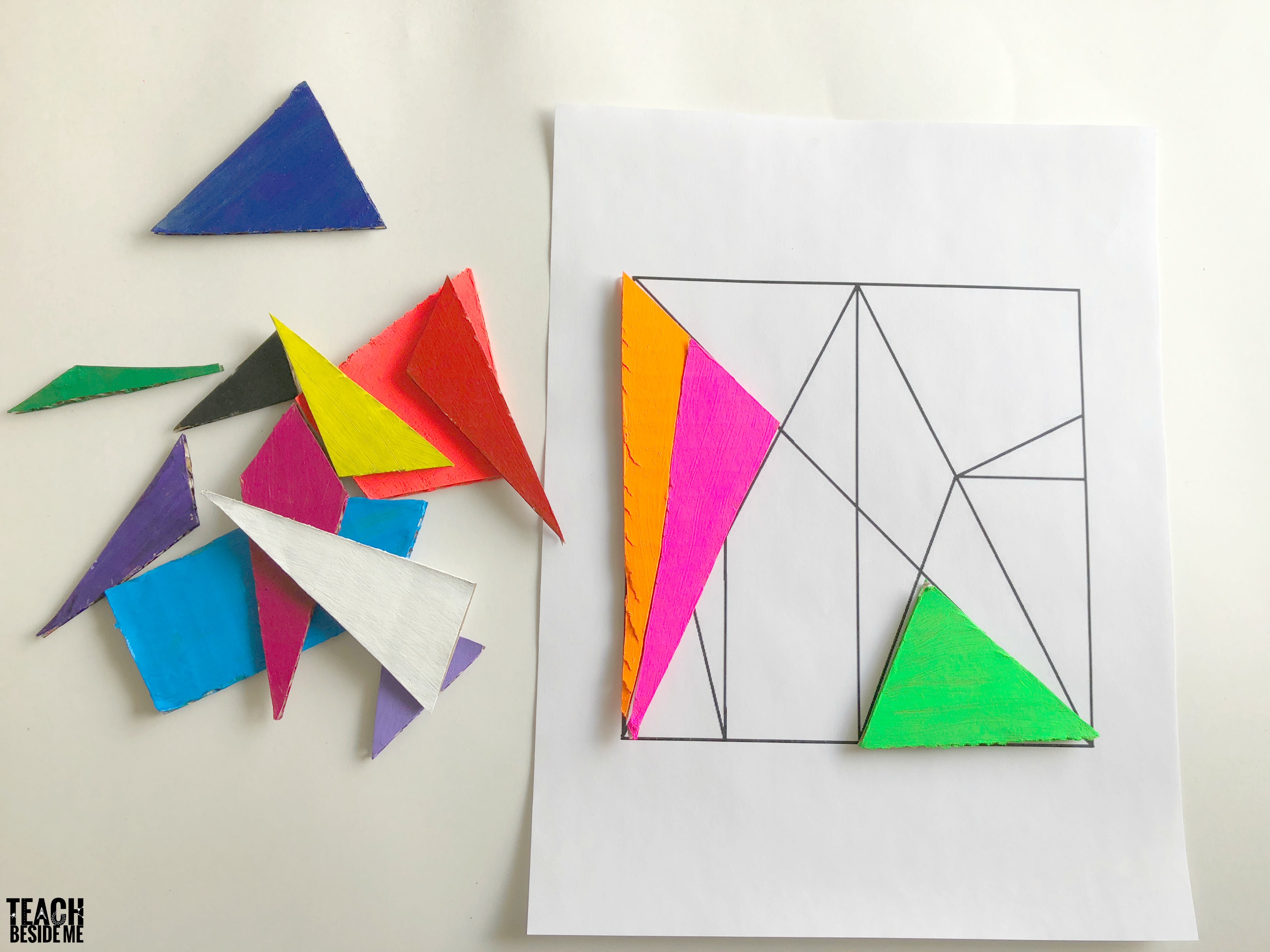
Step 1: Print & Trace the Template
Download and print the Ostomachion puzzle template.
Cut out the template pieces and trace them onto your cardboard.
Pro Tip: The more precise your cuts, the better the pieces will fit together!
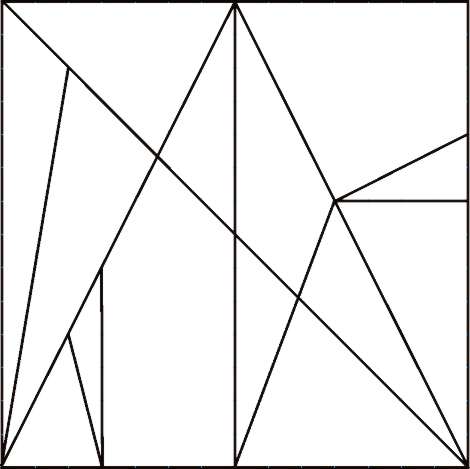

Step 2: Cut Out the Puzzle Pieces
Using scissors or a craft knife, carefully cut out all 14 pieces.

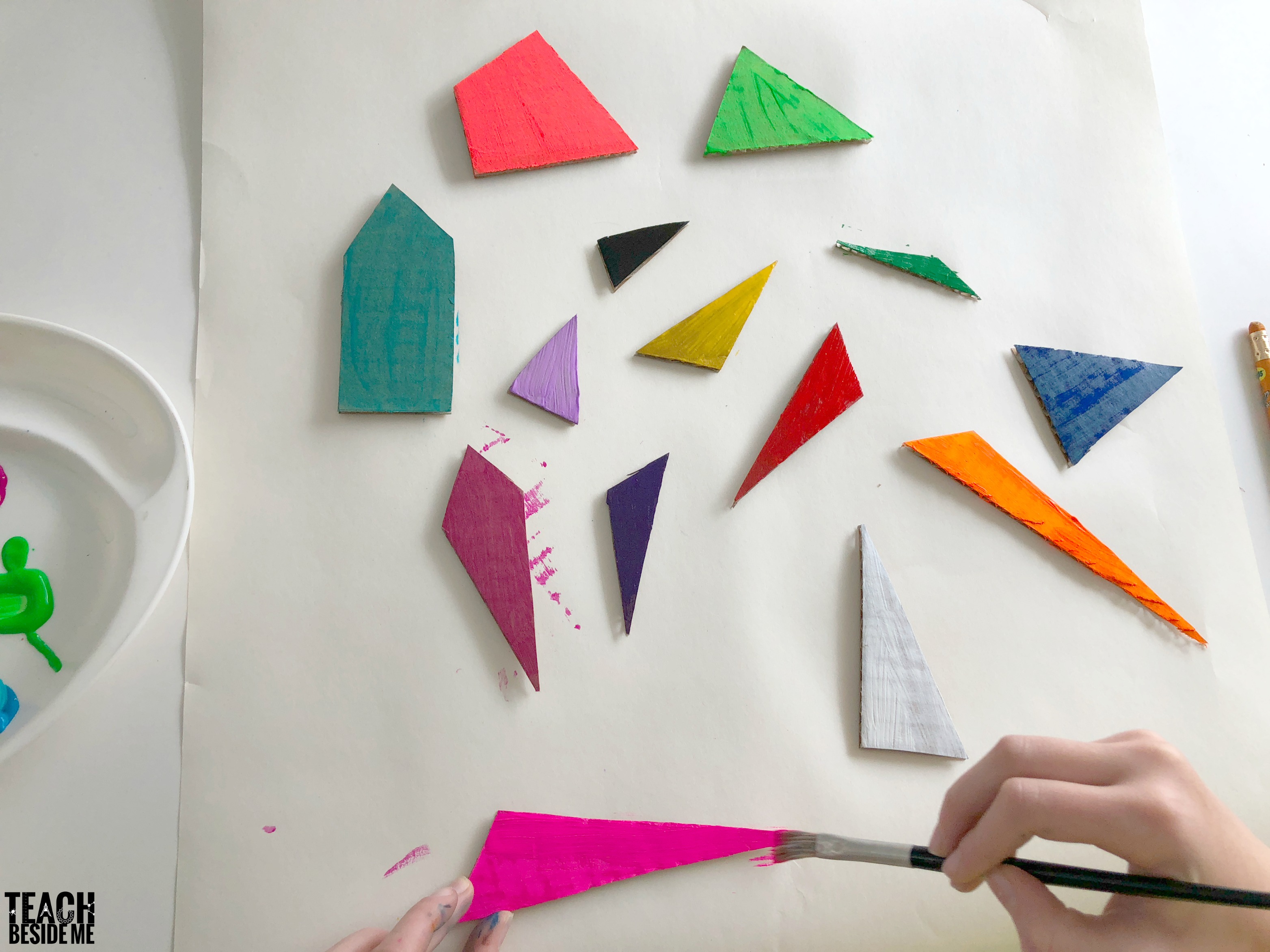
Step 3: Paint & Decorate
Paint both sides of the pieces in bright, vibrant colors to make them visually appealing.
Step 4: Start Solving the Puzzle!
Begin by recreating the original square using all 14 pieces.
Then, challenge yourself to find as many solutions as possible!
Try making new shapes, animals, or patterns with the pieces.
Challenge: See if you can discover a brand-new shape that hasn’t been recorded before!
Check out my Perler Bead Tangram & my homemade Pentomino Blocks posts, too!
STEM Principles Behind the Ostomachion Puzzle
This puzzle isn’t just an ancient game—it’s a STEM powerhouse! When kids play with the Ostomachion, they develop skills in:
- Mathematical Reasoning: Understanding geometry, symmetry, and spatial awareness.
- Combinatorics: Exploring the different ways shapes can be arranged (over 500 solutions!)
- Engineering & Design Thinking: Learning about dissection and reconstruction of shapes.
- Art & Creativity: Designing patterns and new configurations with the puzzle pieces.
- Problem-Solving: Strengthening critical thinking and logic skills while experimenting with different solutions.
Did You Know? The concept of dissecting and rearranging geometric shapes is a key principle in modern tiling, robotics, and even DNA sequencing!
More Ways to Explore the Ostomachion Puzzle
Mathematical Challenge: Try calculating how many unique solutions you can find!
Combinatorial Experiment: Write down each solution and compare similarities and differences.
Art & Design: Use the pieces to create abstract artwork or optical illusions.
History Exploration: Research more about Archimedes’ lost works and mathematical discoveries.
I love projects that combine two types of learning. This is an awesome math and art combo.
The Ostomachion is a Must-Try Ancient Math Puzzle!
The Ostomachion Puzzle is more than just a historical artifact—it’s an interactive and thought-provoking STEM challenge that has stood the test of time.
By playing with this ancient dissection puzzle, kids (and adults!) can:
Strengthen their math and logic skills
Learn about Archimedes and ancient Greek mathematics
Foster creativity and problem-solving abilities
So, grab some cardboard, cut out your puzzle, and step into the mathematical world of Archimedes!
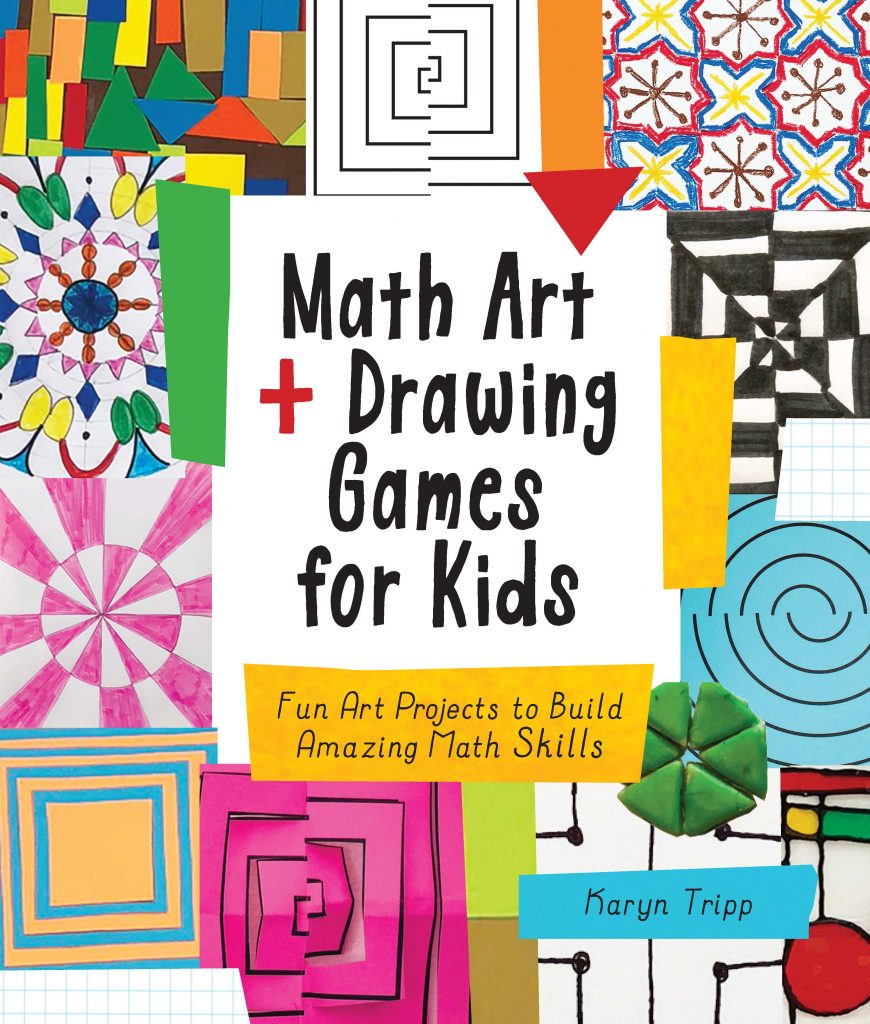
Have you seen my Math Art and Drawing Games for Kids book yet? It’s a book with more than 40 projects that combine math and art to make learning so much more fun and engaging for young learners!




I’m going to teach K _5th grade Steam Class. So I need that you send me the curricullum and more ideas to I teach . Thanks I like your page.