Color Chemistry Experiments for Kids: MEL Science Colors Kit
This post may contain affiliate links.
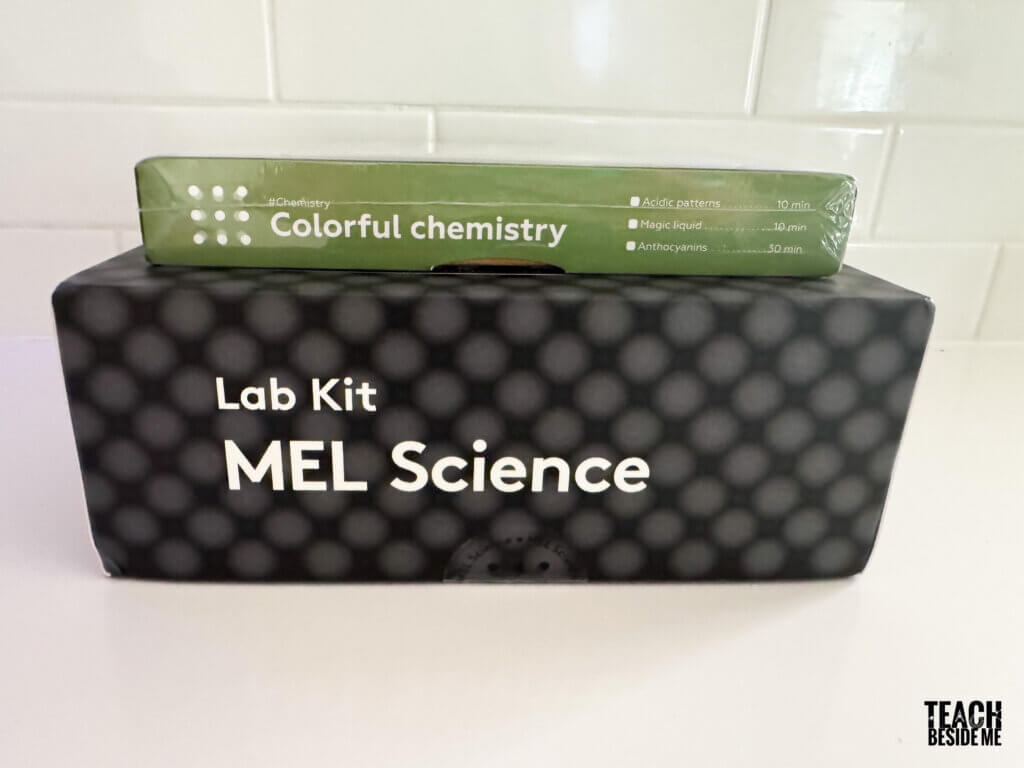
If your kids love colorful, hands-on science, the MEL Science Colors Kit is an absolute hit! We recently had the chance to try this kit as part of a collaboration with MEL Science, and it turned our kitchen table into a real color chemistry lab.
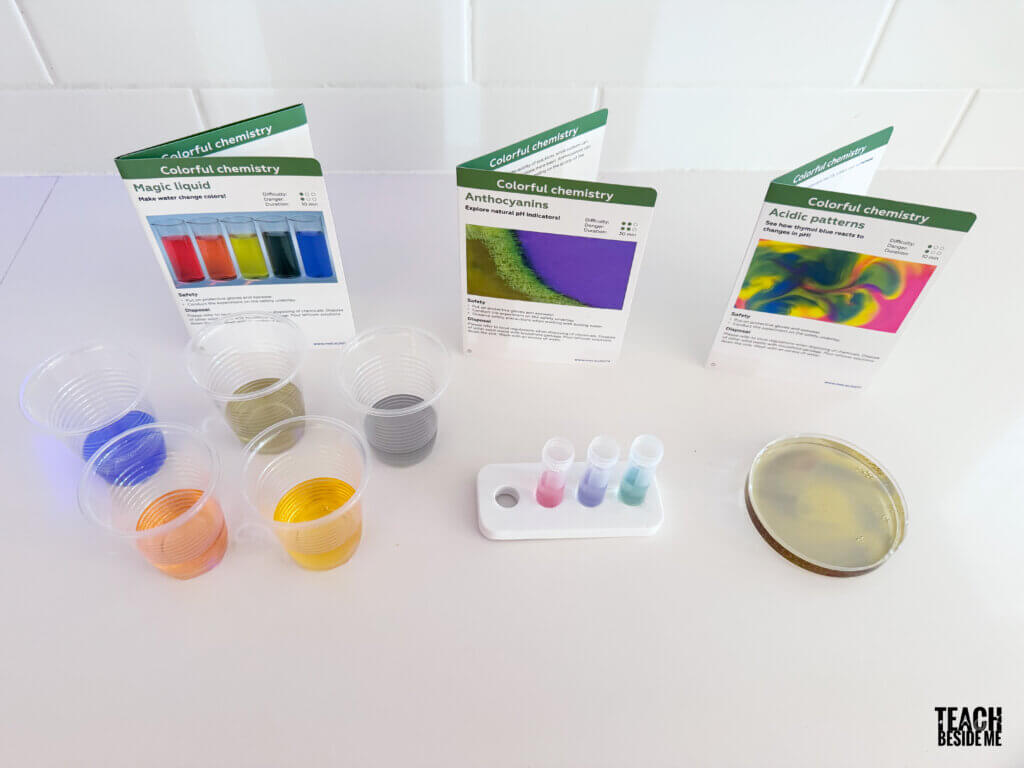
Each kit comes with everything you need to perform three bright and engaging color chemistry experiments that teach about pH, acids and bases, and chemical reactions. The set includes goggles, chemical solutions, test tubes, measuring tools, and cards with detailed instructions for each experiment. The cards also teach the science behind each one, too!
This post is sponsored by MEL Science, but all thoughts and opinions are my own.
Color Chemistry Experiments:
Experiment 1: Magic Liquid — The Science of Color Change

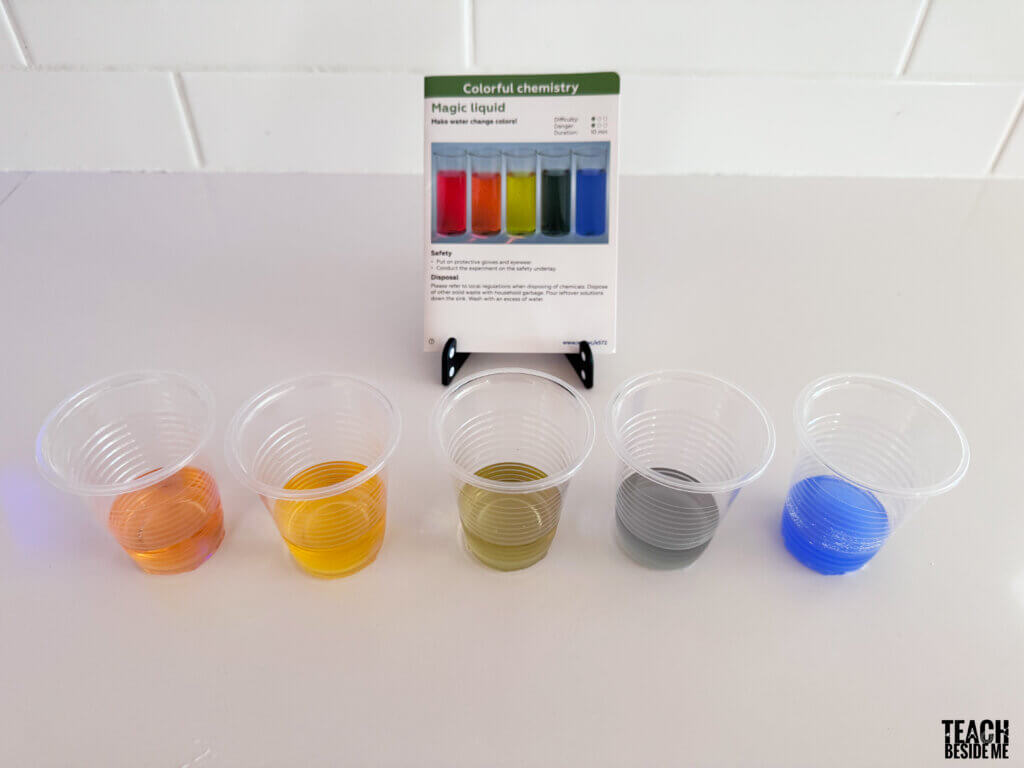
Our first experiment, Magic Liquid, immediately caught everyone’s attention. Using the included chemicals, we created an aqueous solution using Thymol Blue, that changed colors like magic as the reactions took place. The kids were wide-eyed watching the cups of water change colors. Each cup was mixed with a different substance making a rainbow of colors!
Experiment 2: Anthocyanins — Nature’s pH Indicators
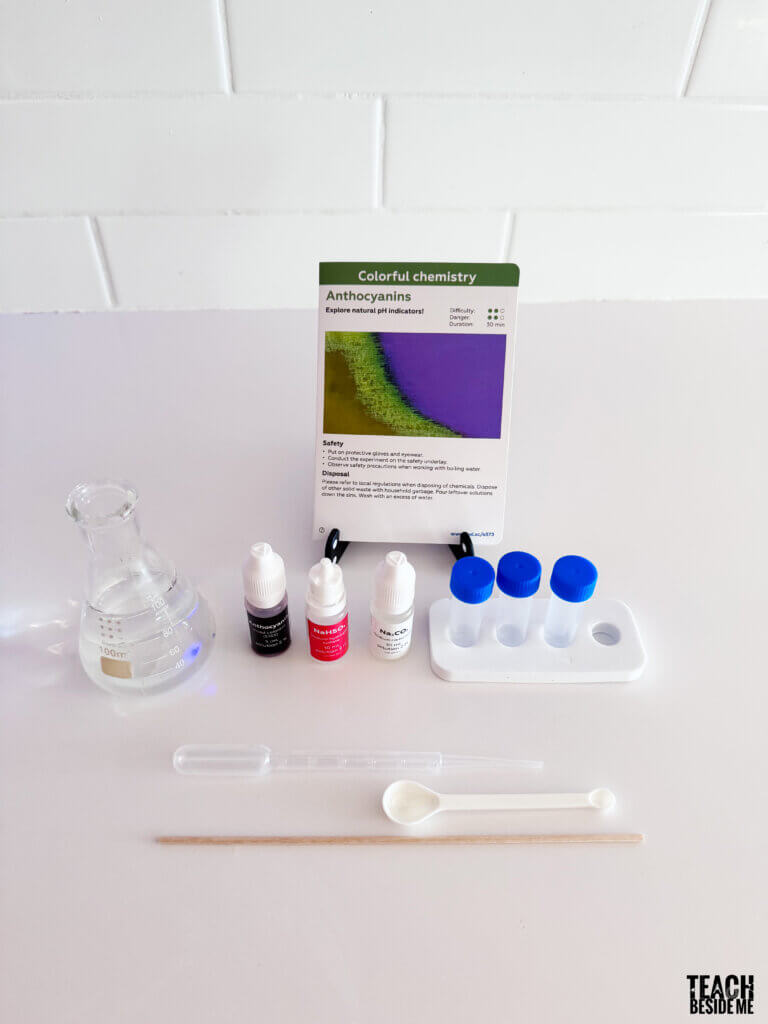
Next, we explored Anthocyanins, natural pigments found in red cabbage, blueberries, and grapes. These act as pH indicators, meaning they change color depending on whether they’re in an acidic or basic environment.
Using the anthocyanin solution included in the kit, the kids experimented by adding small amounts of different chemicals. With each change, the color transformed—from pink to purple to blue-green. It’s a cool reaction to watch!

The Science Behind It:
When the pH of a solution changes, it affects the number of hydrogen ions (H⁺) surrounding the anthocyanin molecules. That causes the molecule to bend or flatten, changing the wavelengths of light it absorbs—and the color we see.
Experiment 3: Acidic Patterns — Painting with Chemistry
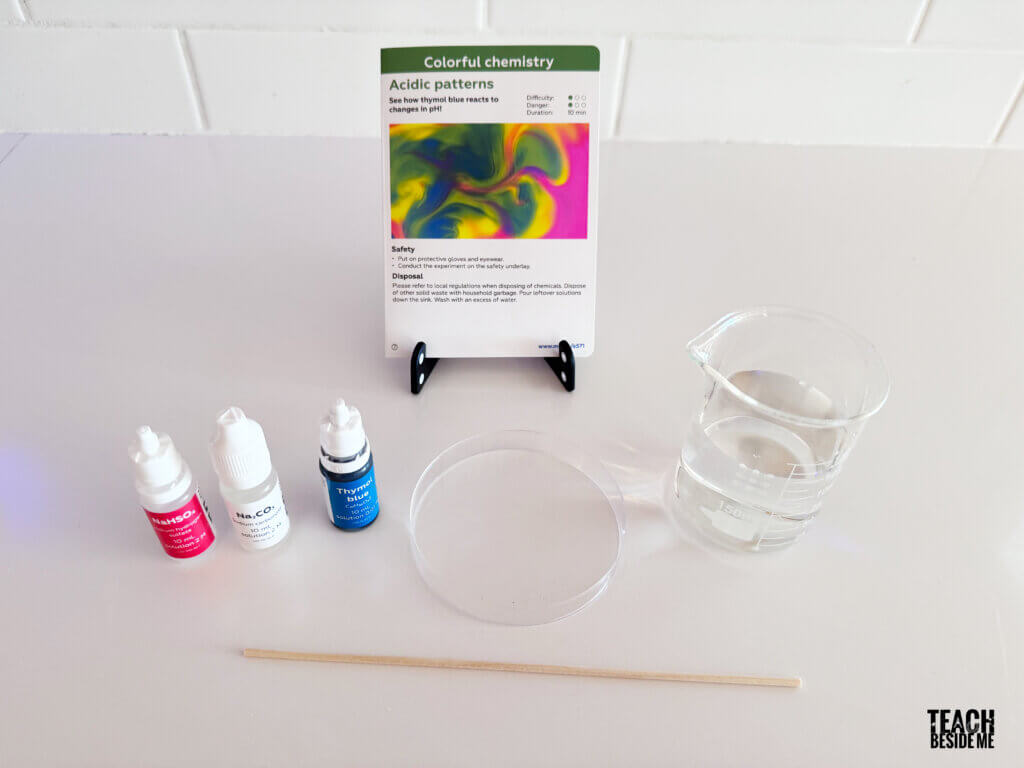
Our third experiment, Acidic Patterns, was like mixing science with art. Using thymol blue, another type of pH indicator, the kids created swirling, colorful patterns that changed over time.
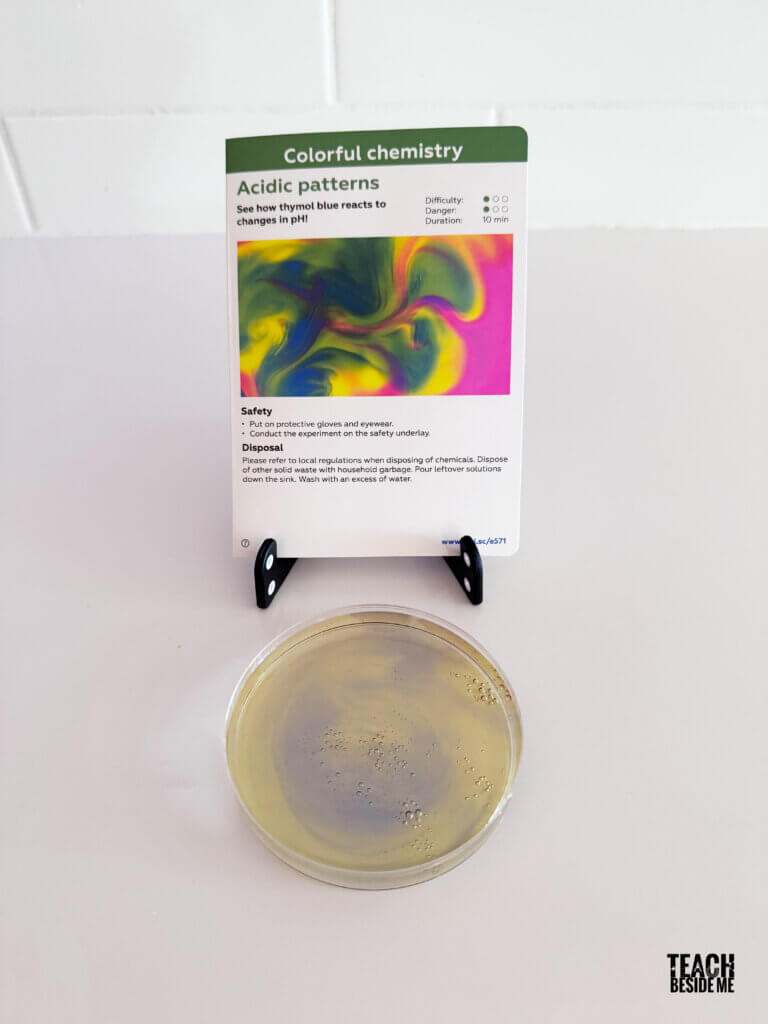
The Science Behind It:
Thymol blue appears yellow in acidic environments and blue in basic ones. As the pH levels in the solution shift, they form colorful gradients that spread and evolve. The result? Stunning acid-base “paintings” that look almost alive.
This experiment was the perfect way to blend creativity with scientific observation. We even talked about how artists and scientists both rely on curiosity, patterns, and observation.
What Kids Learn from These Color Chemistry Experiments
By the end of the session, our workspace looked like a rainbow of discovery—and the kids had learned so much without even realizing how much science was behind it.
Here’s what stood out most:
-
Color tells a story: Changes in color reveal chemical reactions in real time.
-
pH affects everything: From the foods we eat to plant growth, pH plays a major role in the world around us.
-
Science can be creative: Experimenting, mixing, and observing bring out both analytical and artistic thinking.
Why We Recommend MEL Science for Homeschool Families
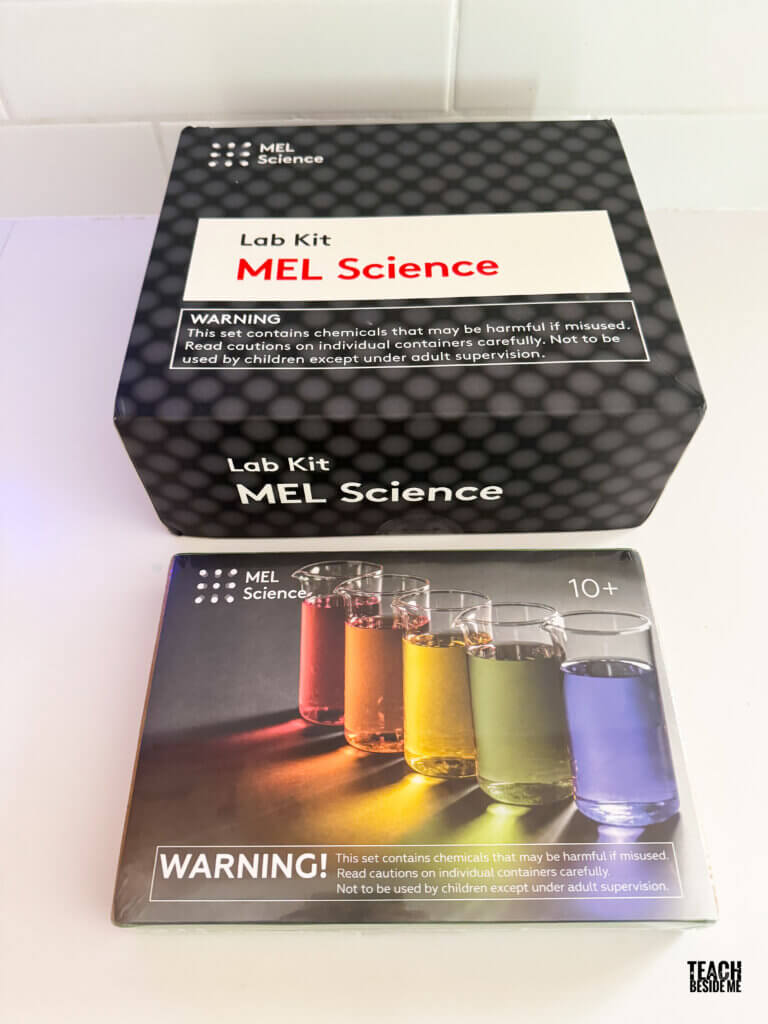
As a homeschool parent, I’m always searching for meaningful ways to make science come alive. The MEL Science Chemistry Kits are incredibly well designed, safe, and educational.
They give kids a chance to experience real chemistry at home—with all the excitement of a lab, but none of the stress of hunting down materials or worrying about safety. The included app adds an extra level of learning, walking kids through concepts with 3D animations and explanations they’ll actually understand.
If you’re looking to build curiosity, confidence, and critical thinking in your homeschool or family learning, MEL Science kits are an excellent investment.
Sponsored Note: This post is sponsored by MEL Science. I only share resources we truly use and love in our homeschool. This post contains affiliate links, which means I may earn a small commission at no extra cost to you.
Extend the Learning: More Color Chemistry Ideas
Want to keep exploring the science of color? Try these simple extensions:
-
Make your own pH indicator: Boil red cabbage and use the purple liquid to test household substances like lemon juice, soap, and soda.
- Make edible Green Eggs while learning about pH.
Bringing Chemistry to Life at Home
Science doesn’t have to be intimidating—it can be colorful, creative, and full of discovery! Watching my kids light up as they mixed colors, made predictions, and understood the “why” behind it all reminded me why hands-on learning is so powerful.
If you’re ready to bring real chemistry into your home, check out the MEL Science Chemistry Subscription and start experimenting today. Get 50% off the first month with promo code karyn50. Also, they have an annual promotion running, giving you a 12 month plan for the price of 8!
Learn more about the MEL Science Chemistry Kits here!