The COOLEST Science Art Projects for Kids: Hands-On Activities that Mix Creativity and STEM
This post may contain affiliate links.
Looking for the coolest science art projects around? These science art projects for kids mix creativity and curiosity—think fizzy paint, kaleidoscopes, chromatography butterflies, and more. Perfect for homeschool, classroom, or after-school inspiration, each activity brings a scientific twist to art. Scroll down to see how to set up, ways to replicate at home, and grab a FREE project journal to record discoveries.
Science art projects combine creativity and curiosity! By blending artistic materials with simple science experiments, kids learn how colors mix, reactions happen, and patterns form. These hands-on activities strengthen both STEM and art skills — perfect for homeschool lessons, classrooms, or after-school fun.

What Is a Science Art Project?
Science art projects are activities that teach scientific ideas through creative art. They might explore color, motion, light, or chemical reactions — but always in a fun, hands-on way.
When kids create and experiment, they’re not just making something pretty — they’re also observing, predicting, testing, and learning how the world works.
Examples: painting with magnets, growing salt crystals, making chromatography flowers, or melting crayons in the sun.
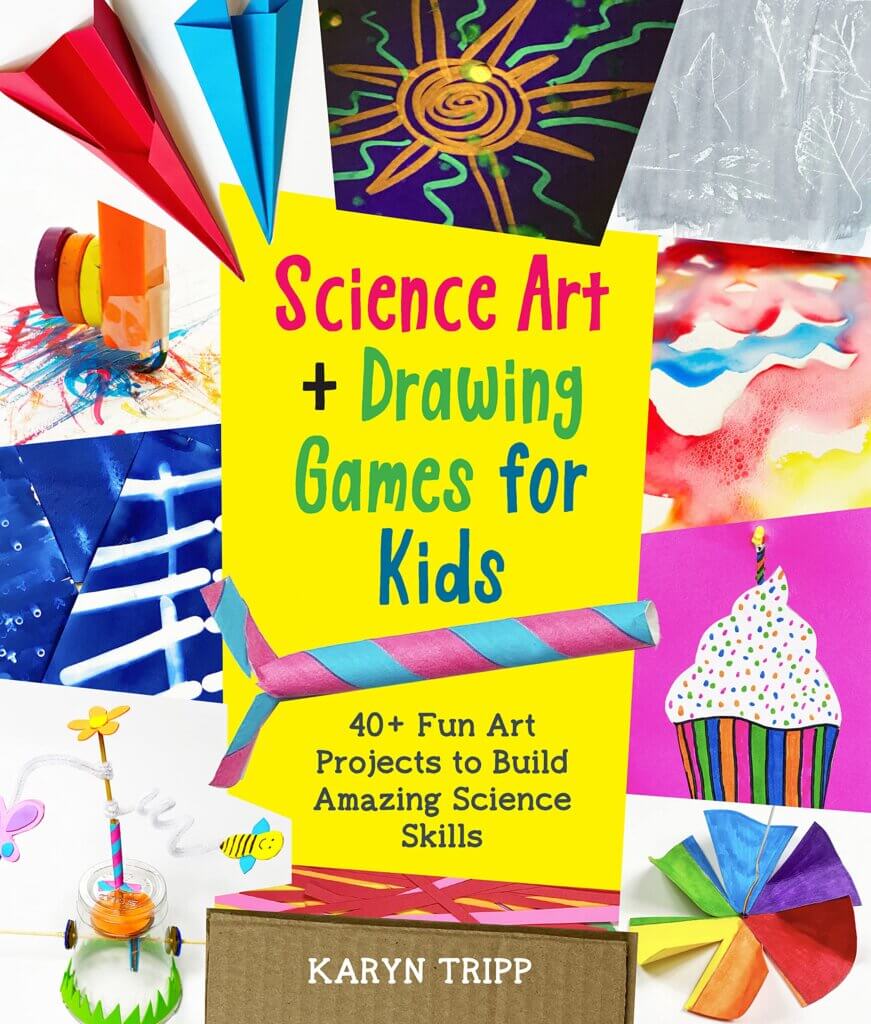
Combining Science and Art can be so much fun! With the launch of my newest book, Science Art and Drawing Games for Kids, I wanted to share some awesome activities that combine the two. This book brings science and creativity together in new ways.
Turn your home or classroom into a little laboratory and have fun with chemistry, biology, energy and more!
Take These Science Art Projects Even Further
If your kids love these types of activities, my book Science Art and Drawing Games for Kids was designed exactly for this purpose — combining science concepts with creative drawing and hands-on exploration.
Inside the book, you’ll find activities that teach topics like:
- Energy & Motion. Create art, toys, and sculptures that spin, flap, and climb.
- Electricity & Magnetism. Make a pop-up card and pipe cleaner shapes that feature electrical circuits, and use magnets to draw and solve mazes.
- Living Science. Craft plants into jewelry, create plantable seed paper, and use a straw to blow paint into a portrait of a neuron.
- Chemical Reactions. Make an exploding paint bomb, grow crystal flowers, and use milk to make plastic.
- Color & Light. Explore the science of color mixing, make marbled paper, and use the sun to make prints.
It’s perfect for homeschool lessons, science units, co-ops, or creative afternoons at home.
Many families use it alongside the projects in this post to deepen learning and build a complete science art curriculum.
→ You can find Science Art and Drawing Games for Kids here.
Why Combine Art and Science in Kids’ Learning?
Combining art and science helps kids think creatively and logically at the same time.
-
Builds fine motor skills and creative confidence
-
Reinforces problem-solving and critical thinking
-
Helps kids see scientific concepts come to life
-
Makes lessons memorable and fun
In homeschool or classroom settings, science art projects bridge the gap between STEM and creativity — ideal for hands-on learners.
“Tell me and I forget. Teach me and I remember. Involve me and I learn.” — Benjamin Franklin
Science and art very often go hand in hand.
So much of art uses science and discovery to make it happen. Scientists discovery beauty in their experiments. There are chemical reactions, natural laws such as motion, gravity, color and light, and more that happen in art.
I hope you’ll take some time to explore and teach some of these ideas to your kids or students!
Each activity combines an artistic process with a scientific concept — perfect for visual and kinesthetic learners.
How to Set Up a Science Art Project at Home or in Class
-
Choose a simple project and gather supplies in trays or bins.
-
Start by asking a question: What do you think will happen?
-
Let kids experiment and observe.
-
Discuss results and compare to their predictions.
-
Display the artwork as a reminder of their discovery!
Tip: Keep a “Science Art Journal” where kids can draw, write, or photograph each project and note what they learned.
What You’ll Need for Most Science Art Projects
You don’t need fancy supplies to explore science through art! Gather a few basic materials and let creativity flow.
Common Materials:
-
coffee filters
-
Paint, food coloring or liquid watercolors
-
Vinegar & baking soda
-
Salt or sugar
-
Magnets, paper clips, metal brads, pipe cleaners
-
Glue, paper, and recyclables
-
Bowls, trays, or droppers
- Straws, wooden dowels, rubber bands
Energy & Motion Science + Art
These science art projects have ideas that teach and create using different forms of energy and motion. These are perfect for lessons on potential or kinetic energy, gravity, and more!
Straw Rockets– We love these straw rockets! Use the pre-colored designs, or get creative and color your own.

Pantograph Drawing Machine– create artwork that is doubled!

Twirligig– this is one of the most fun projects and a top post on my site. You and your kids will love learning how to make it and learning the science behind it!

Gravity Spinner Toy– Make a fun spinning toy while learning about how gravity works.

Spool Racers– One of our favorites over the years! Potential and kinetic energy are the science behind this one.

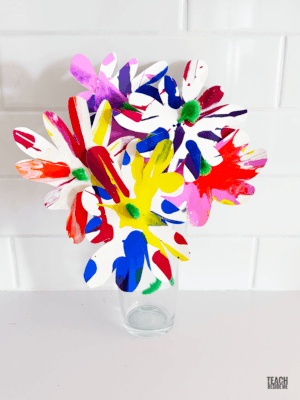
Spin Art Painted Flowers– turn this colorful spinning art into a bouquet of flowers!
Build Cinderella’s Carriage– Design a carriage for Cinderella and learn how to make it move, too!

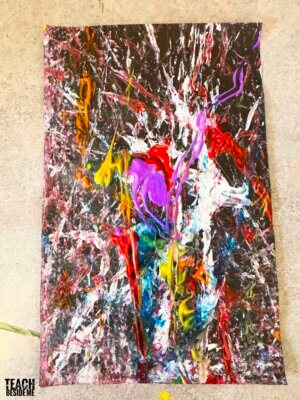
Paint with marbles and learn about force and motion!
Flapping Bat Wings– This cute flapping bat gets kids learning about how bat wings flap and move.

Shooting Star Spinner – This is a fun wind-up toy that flies like a shooting star! Learn about kinetic and potential energy.

Rubber Band Boats– These wind-up boats are an awesome project for kids! They’ll have a blast making and testing them out.

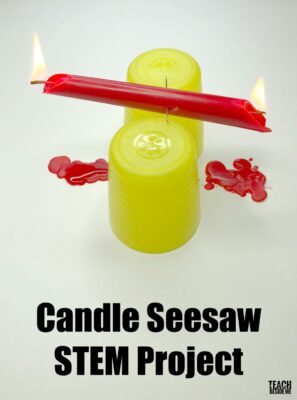
Candle Seesaw Science Project– This one feels like magic! It’s definitely one you won’t want to miss.
Electricity & Magnetism Science + Art
Learn about the science of circuits, electricity and magnets with these creative learning projects and ideas.
Alligator circuits– I loved making these little alligators that light up! Oh, my kids did, too! 😉

Magic Flying Carpet– Magnets are pretty magical! You have to try out this cool flying carpet project.

Rudolph Pipe Cleaner Circuit– Make your own little light-up Rudolph with just a few simple supplies. Kids just love these!

Menorah Paper Circuit– Paper circuits are a great way to teach about electrical currents.

Origami Firefly Paper Circuits– This is one of my favorite paper circuit projects! It’s cute and fun.

Animal Magnet Face Drawings– This one reminds me of the funny face toys they used to make when I was a kids. I loved those, and these are just as fun!

Science Art: Conductive Paint Circuits– This one took lots of trial and error, and it’s pretty cool! You need to give it a try.

Nature & Living Science Art
Do you love nature, biology and living science? Read through this list of natural science art projects to get some great teaching ideas!
Build a Worm Tower– build and decorate a worm tower and learn more about these squirmy critters in the process.

Build a Bug Viewer– Create your own bug viewer for kids to catch and observe bugs!

Building Atomic Models– combine chemistry with your artistic abilities in this fun activity.

Water Striders– design a bug that can stand on water!

Rot Museum– ew! This sounds awful, but it’s pretty awesome to learn about how food rots.

Edible Frog Life Cycle– Edible science is always fun. Cooking and designing your frogs is the art in this fun project.

Solar System in a Jar– create your own plants with clay and suspend them in a jar!

Solar System Ornaments– paint and design your own solar system ornaments!

Pressed Flower Pictures– learn about flowers, then make art with them!

Solar System Crayon Model– we loved making these recycled solar system inspired crayons!

Monarch Butterfly Life Cycle Mobile

Chemical & Physical Reactions
Sometimes we need a reaction to make learning really pop! These science art projects all incorporate some sort of chemistry or have a physical reaction. So fun!
How to Make Slime– slime is an art form, right?! Love it or hate it, it’s a cool experiment to try!

Borax Crystals– beautiful, colorful and science, too!

Dry Ice Smoking Dragon– This project was the best! You just have to try it out…

Paintball Bombs– This paintball science art project was a creation we just loved making again and again! You’ll definitely want to add this to your STEM lab!

Astronaut Ice Cream– create your own form of astronaut ice cream and learn the science behind it!

Erupting Dinosaur Slime– more slime? But this one erupts! It’s cool.

Rock Candy– edible, and beautiful all at once!

Watercolor and Salt Snowflake– Kids LOVE this one! We’ve done it many times. Aren’t they lovely?!

Alcohol & Watercolor Paintings– This science art project is just so beautiful, plus lots of fun to create. This is a favorite in many art classes!

Christmas Science: Grow a Crystal Tree– These crystal trees are fascinating to watch grow and turn out so beautiful!

Rock Candy Geodes– grow your own edible geodes! 🙂 Yes, please!

Edible Slime from Starburst Candy – This is a tasty science art project your kids will beg to do!

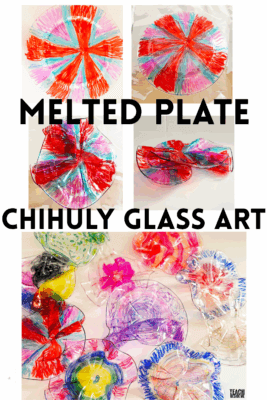
Chihuly-Inspired Art Project with Melted Plates
Color & Light Projects
You can do some cool science art projects using color and light! Have fun exploring these ideas.
Color Mixing With Light– color mixing with lights is not the same as with paints. Help kids learn why!

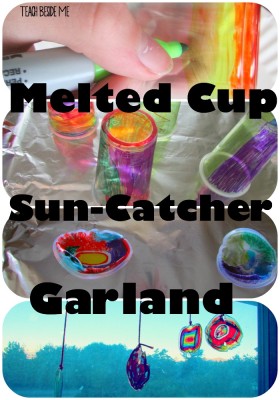
Science + Art: Melted Cup Sun-Catcher– explores color, light and physical changes!
Science of Color Mixing Art Project– What is the science behind color mixing? Learn here!

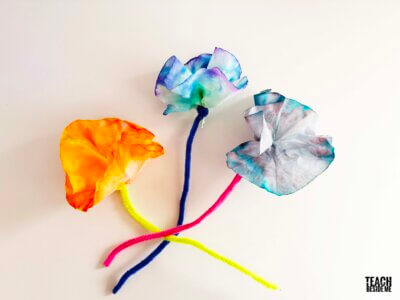
Chromatography Flowers with Coffee Filters– this project teaches about capillary action in plants, but also about pigments and how they combine to make colors!
Glowing Invisible Ink Secret Messages– did you know THIS ingredient glows?! This one was tricky to photograph, but it sure is fun to try!

Rainbow Color Mixing in Bubble Wrap– this bubble wrap is harder to find these days, but it’s sure fun when you get some!

Awesome Rainbow Experiments with Kids -Learn to make rainbows in lots of ways!

Ice Painting– learn about states of matter and color with this extra fun ice painting craft.

Rainbow Density Experiment– learn about color mixing as well as density with this fun activity.

Rainbow Play Dough Color Mixing– Make your own play dough and learn about the color wheel, and color mixing with this science art project!

Mixing Colors Science Project: Pattern Projectors– Color, design and light combine to make this science art project extra fun!

Reflection: What Kids Learn Through Science Art
After each project, talk about what happened and why. These reflections help connect creativity with scientific understanding.
Kids learn:
-
To observe patterns and record data
-
To test hypotheses through art
-
To express curiosity creatively
-
To see science as something beautiful and exciting
Ready for More Science Art Activities?
If your kids enjoyed these projects, Science Art and Drawing Games for Kids provides dozens more creative ways to explore science through drawing and artistic observation.
It’s designed especially for homeschool families, classrooms, and curious kids who love both art and science.
Many of the activities work perfectly alongside the projects in this post, helping kids deepen their understanding while building creativity.
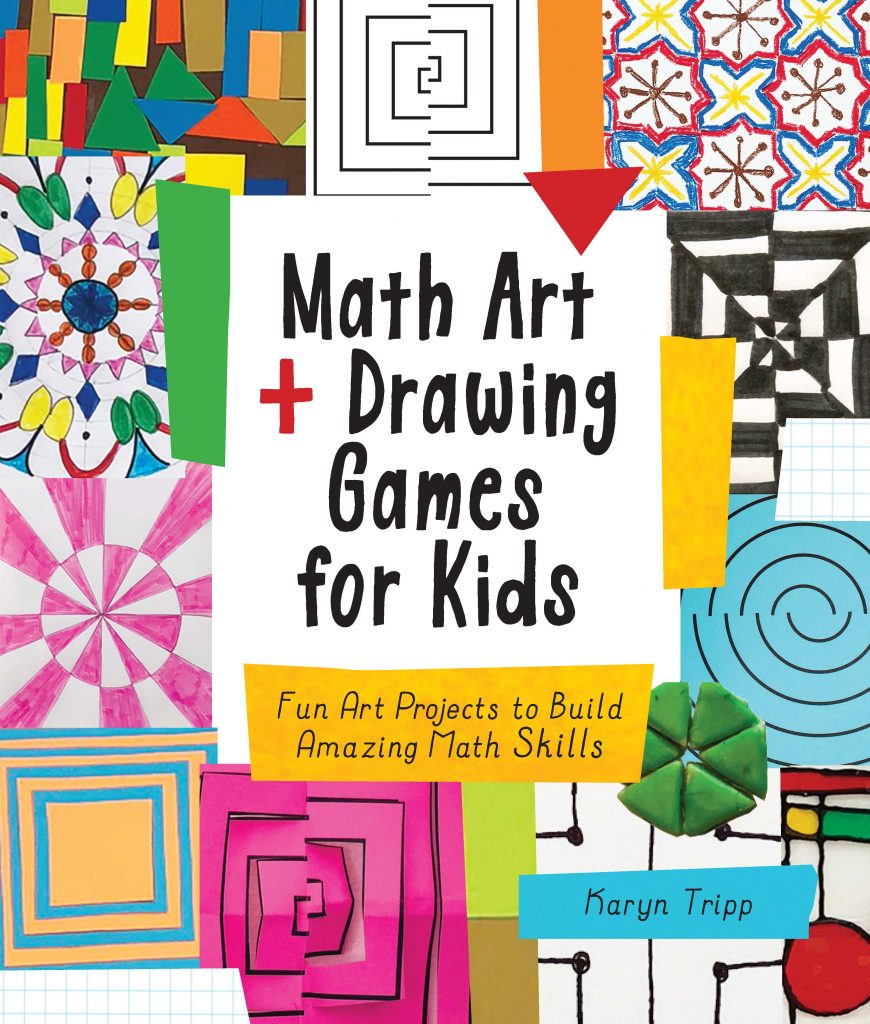
Like these Science Art ideas? See also my other book Math Art and Drawing Games for Kids!
Frequently Asked Questions
Q: What age range are science art projects for?
A: Preschoolers can explore color mixing, while older kids can study reactions or physics through art. Just adjust the materials and questions to their level.
Q: What’s the easiest project to start with?
A: Try salt crystal painting — it’s colorful, fast, and nearly mess-free!
Q: How does art help kids understand science?
A: Artistic processes make invisible scientific ideas visible — kids literally see reactions, forces, and patterns at work.
Q: Can I do these projects with a group or co-op?
A: Yes! These activities are great for homeschool groups, classrooms, and family nights.
Q: How can we extend the learning afterward?
A: Encourage kids to explain their results, write observations, or design a new version of the project.
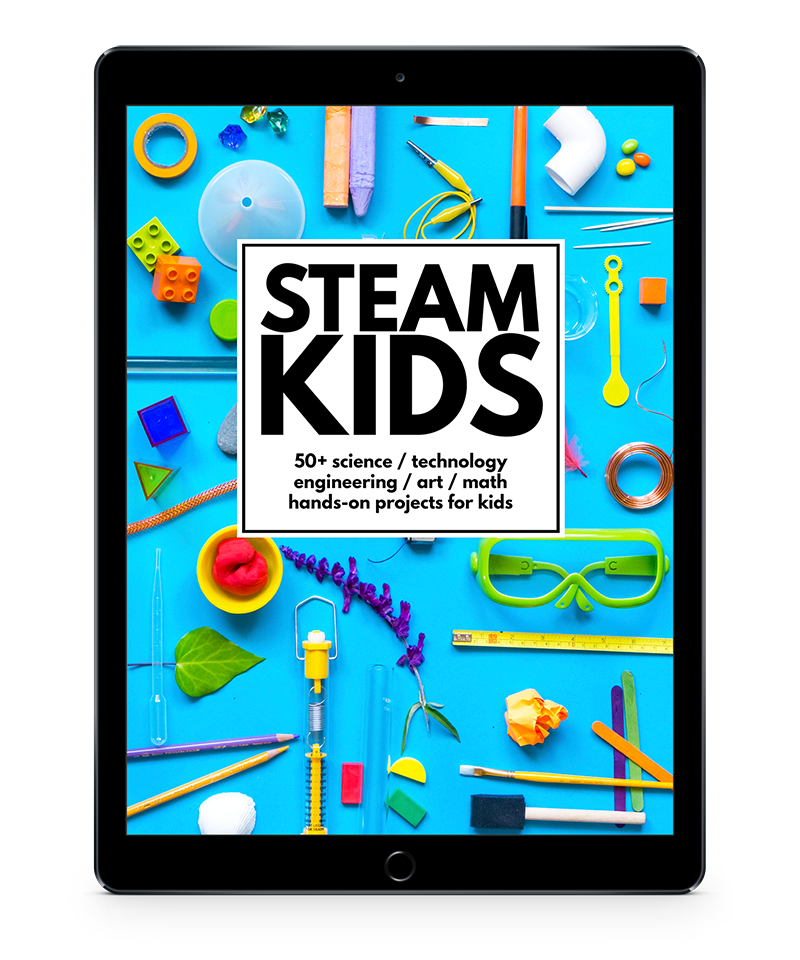
See also the STEAM Kids Book that I contributed to!