
Fun Nature Science for Kids: How to Make a Worm Tower
This post may contain affiliate links.
Looking for a hands-on nature science activity for kids? Building a worm tower is a fascinating way to explore soil science, composting, and the role of worms in nature! This easy DIY worm habitat lets kids observe worms tunneling, enriching the soil, and breaking down organic matter—all in a fun and educational experiment.
This is a perfect spring science activity, especially for kids who love getting outside, digging in the dirt, and exploring the natural world!
We love spring time at our house. We are enjoying bursts of warm weather by getting outside a lot. We’ve been preparing our gardens for planting and have had fun finding lots of worms. I decided to let my kids explore worms some more with a worm tower. It is a great spring science activity and a fun way to learn more about nature.
See also my post on Composting in a Jar.
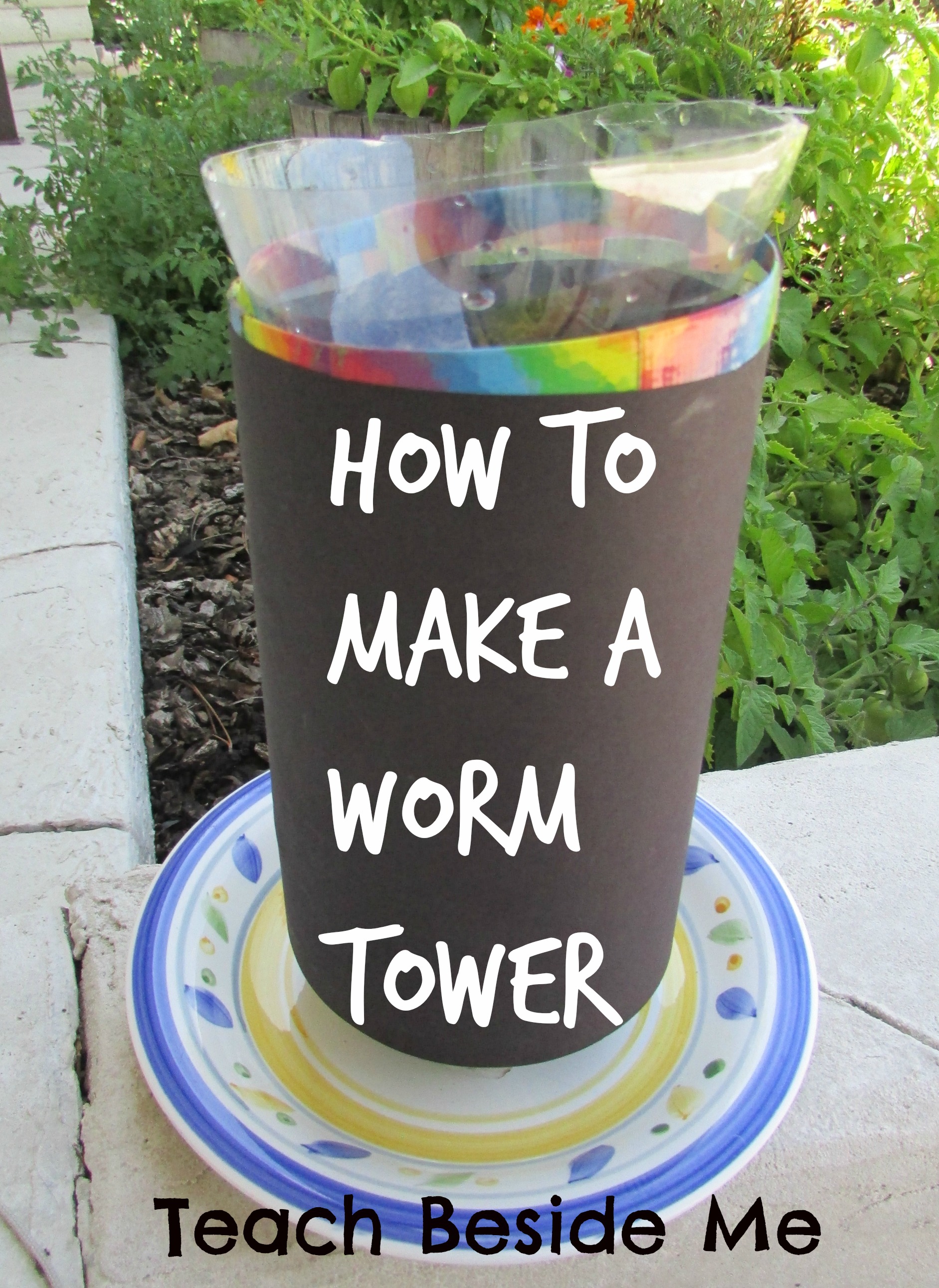
Why Make a Worm Tower?
Teaches kids about soil health – Worms help aerate the soil and decompose organic material into nutrient-rich compost.
Encourages observation skills – Watch worms tunnel and create castings!
Perfect STEM experiment – Combines biology, earth science, and environmental studies.
Eco-friendly – A great way to introduce composting and sustainability concepts.
How to Make a Worm Tower
Materials Needed:
1 empty 2-liter plastic soda bottle
Soil and gravel
Live worms (from your yard, bait shop, or online)
Black construction paper (or any dark-colored paper)
Scissors
Water
Leaves or food scraps (optional, to feed the worms)

Step-by-Step Instructions
Step 1: Prepare the Bottle
-
Cut the top off the 2-liter plastic bottle, but keep the top with the lid.
-
Rinse the bottle clean and remove any labels.
Step 2: Layer the Soil and Gravel
-
Add gravel (about 1 inch) to the bottom for drainage.
-
Fill the bottle halfway with soil.
-
Mix in a few leaves or small food scraps to provide food for the worms.
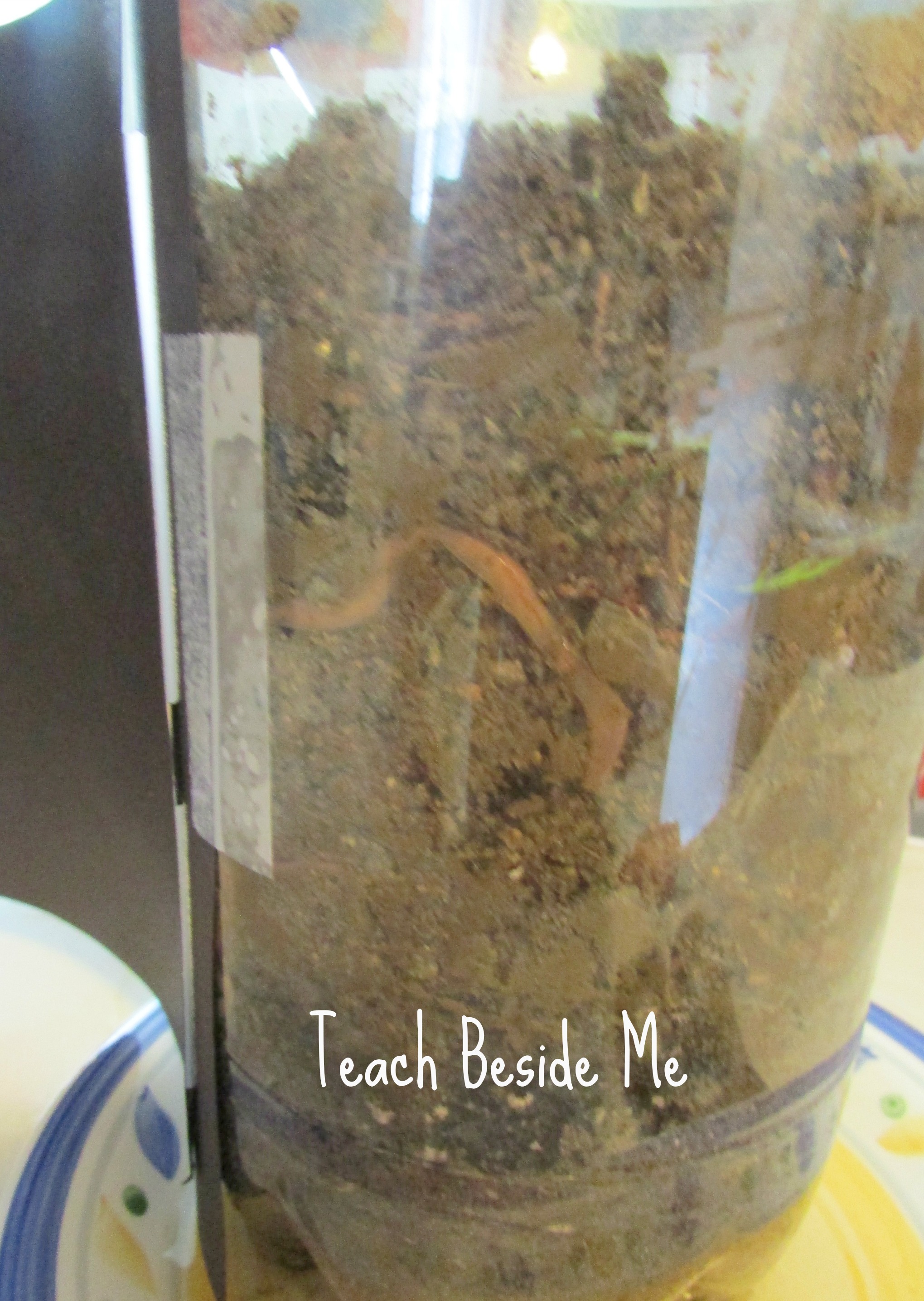
Step 3: Add the Worms
-
Find worms by digging in your yard, or purchase them from a worm farm or bait shop.
-
Gently place 10-15 worms into the soil.
-
Add another layer of soil to fill the bottle almost to the top.
Step 4: Create a Moist Environment
-
Attach the cut-off top of the bottle upside down (like a funnel) to keep the tower enclosed.
-
Lightly sprinkle water to moisten the soil—worms need damp conditions to survive.
Step 5: Cover the Bottle & Observe
-
Wrap the bottle with black construction paper to create a dark environment for the worms.
-
Let the worms tunnel for 1-2 days, then remove the paper and observe their movements!
Tip: If the soil dries out, add a few drops of water—but don’t overdo it!
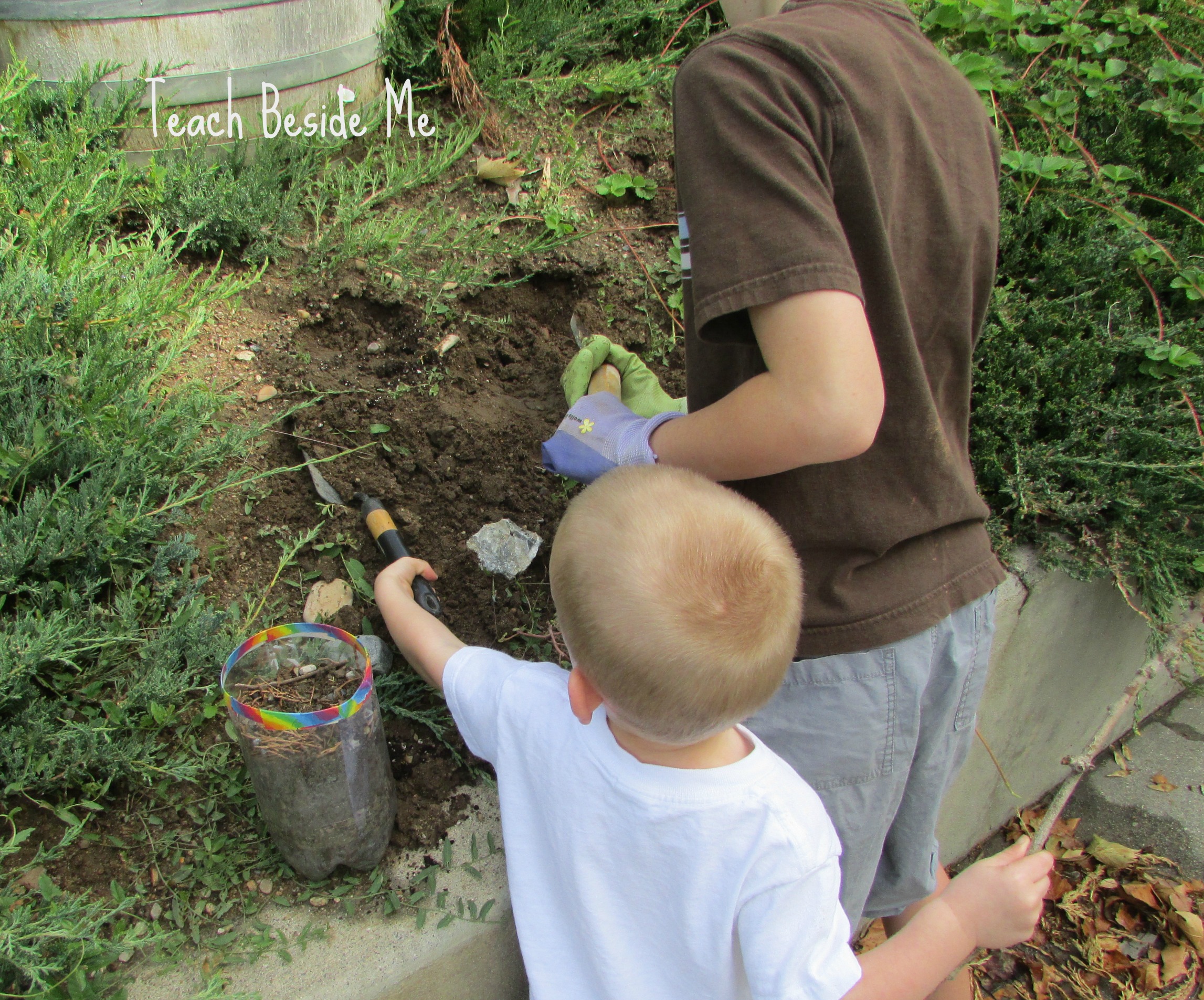
What Kids Can Observe in the Worm Tower
Worm tunnels – Look for pathways the worms have created.
Worm movement – Notice how worms wriggle through the soil.
Organic matter breakdown – Over time, worms help decompose leaves and scraps.
Moisture & soil changes – The soil should stay damp but not too wet.
What to Do with the Worms After the Experiment
Once you’re done observing your worm tower, return the worms to nature:
-
Release them into a garden bed or compost pile to continue enriching the soil.
-
Never throw worms away—they are valuable for the ecosystem!
The Science Behind the Worm Tower
Why Are Worms Important?
Worms are nature’s soil engineers! They improve soil in several ways:
- Aerating the soil – Their tunnels create pathways for air and water, helping plant roots grow.
- Breaking down organic material – Worms consume food scraps and leaves, turning them into nutrient-rich compost.
- Producing worm castings – Worm waste (called castings) is a natural fertilizer that boosts plant growth.
How Do Worms Breathe?
-
Worms don’t have lungs! They breathe through their skin, which must stay moist for oxygen to pass through.
-
If soil is too dry, worms can suffocate; if it’s too wet, they can drown.
This experiment is a great way to show kids the essential role worms play in keeping soil healthy!
Learn more about worms by trying this Composting Experiment! Save your kitchen scraps and collect them in a bin or old 5-gallon buckets with some worms to make your own dirt for the garden.
Next-Level Worm Science: In-Garden Worm Farms
Want to take this experiment further? Try creating an in-garden worm farm, a natural composting system that enriches your soil while feeding your plants!
How to Make an In-Garden Worm Farm
-
Choose a Container – Use a bucket, large plastic PVC pipes, or a small compost bin with holes drilled in the sides.
-
Dig a Hole – Bury the container partially in your garden bed.
-
Add Worms – Place red wigglers or earthworms inside.
-
Feed the Worms – Add kitchen scraps like vegetable peels, coffee grounds, and eggshells.
-
Cover & Maintain – Keep the container covered and add scraps weekly.
Why Try an In-Garden Worm Farm?
Worm composters are a form of vericomposting. They create nutrient-rich compost right where your plants need it.
Reduces food waste by turning scraps into soil nutrients.
Encourages worm populations that naturally improve soil aeration.
Helps retain moisture in garden beds, promoting healthier plants.
Give the Worm Tower A Try!
This worm tower activity is a fantastic way to explore soil science, composting, and worm behavior in a simple, hands-on experiment. Kids will love watching their worms tunnel and learning how these tiny creatures help improve the soil!
Try making a worm tower with your kids and let us know what you observe!





This is one of the things that I’d love to do with my son! Thanks for sharing!
Maybe my little one would be less scared of worms if they were contained like this! Thank you for linking up to the Thoughtful Spot Weekly Bloghop!
We have to try this! What a cool idea!
Thank you for stopping by the Thoughtful Spot Weekly Blog Hop this week. We hope to see you drop by our neck of the woods next week!
I love this idea to use as a science project with our garden lesson.
I think I read in your instructions that when you’ve filled the bottle halfway to add the worms and then fill to top with soil. I’m pretty sure this would kill the worms as the worms themselves wouldn’t have created any tunnels for air to breathe and the weight of the soil would crush them. Might be something for you to investigate 🙂
That is how we did it & we had no problems. I never thought of it killing them! Thanks for your comment. I’ll have to look into that! 🙂