
How to Make a Slide Whistle: A STEM + Music Project for Kids
This post may contain affiliate links.
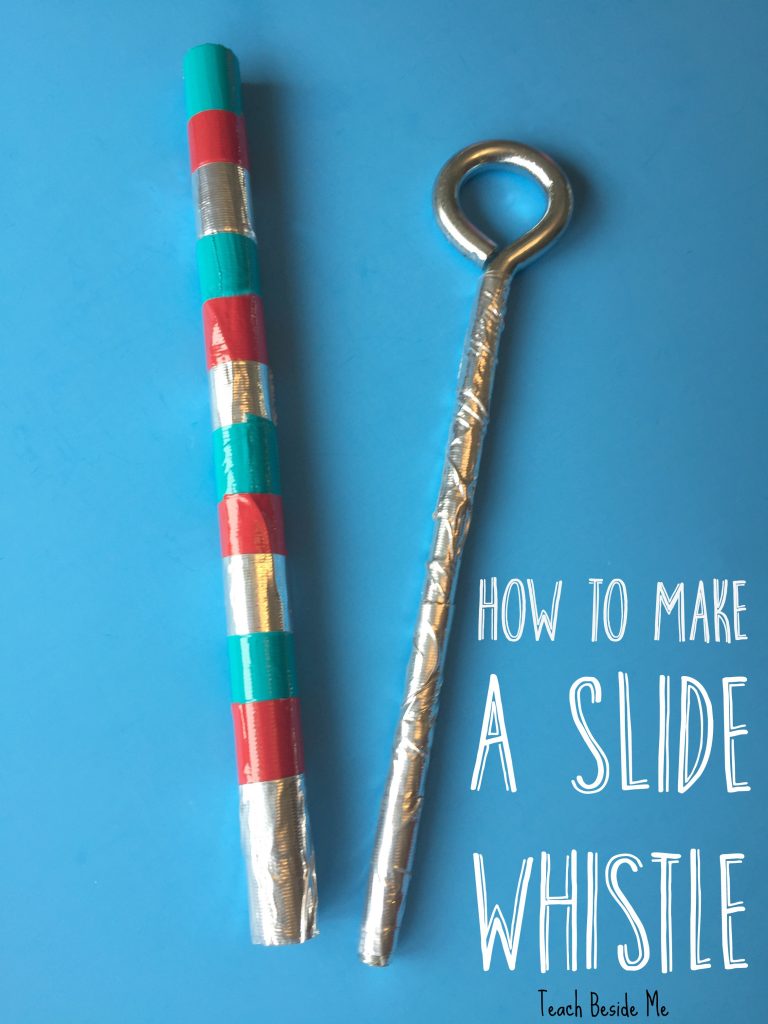
Looking for a creative way to combine science, sound, and hands-on fun? Try building a homemade slide whistle with your kids using just a PVC pipe and an extra-long eye bolt. This easy musical instrument craft is a fantastic introduction to sound waves, air pressure, and pitch variation.
What Is a Slide Whistle?
A slide whistle is a musical instrument that changes pitch when you slide a plunger (in this case, an eye bolt) in and out of a tube. It’s a fun way for kids to explore the science of sound, especially how changing air length affects tone.
Supplies You’ll Need:
-
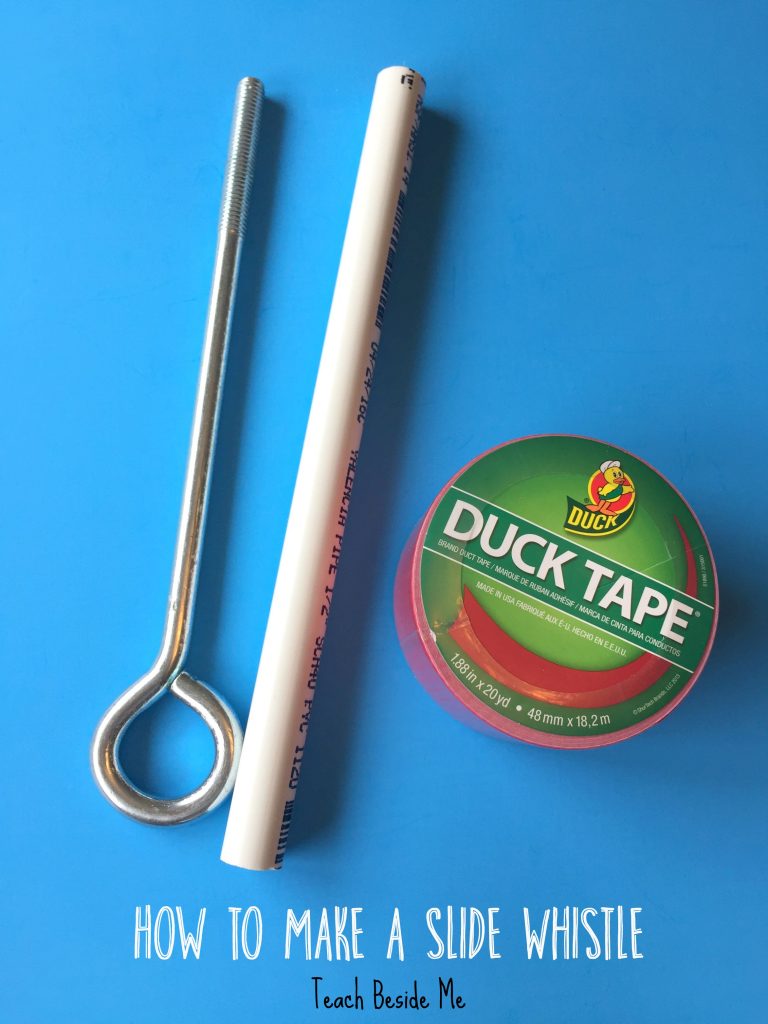
1 PVC pipe (about ½ inch diameter)
-
1 extra-long eye bolt (as long as possible)
-
Tape (electrical or duct tape works well)
-
Saw or PVC cutter (to trim the pipe)
-
Optional: colored Duck Tape or markers for decoration
How to Make a Slide Whistle
1. Cut the PVC Pipe
Cut the pipe about 1–2 inches longer than your eye bolt. A small hand saw or PVC cutter will do the trick.
2. Fit the Eye Bolt
Wrap a layer or two of tape around the shaft of the bolt (not the eye part) to create a tighter seal inside the pipe. This helps produce a clear whistle when air is blown across the hole.
3. Test the Fit
Slide the bolt into the pipe. It should move smoothly but with some resistance to trap air. You might need to adjust the tape to get the perfect fit.
4. Decorate Your Whistle
Add some personality! Use colorful Duck Tape, washi tape, or paint pens to customize the whistle. This is a great way to let kids express creativity.
5. Play the Whistle
Blow across the open top of the pipe while sliding the bolt up and down. You’ll hear the pitch change depending on the position—higher when the bolt is in, lower when it’s pulled out.
Educational Benefits of Making a Slide Whistle
This DIY project teaches more than music—it integrates STEM and the arts:
-
Science: Learn how sound travels through air and how pitch is affected by tube length.
-
Engineering: Build a working device from everyday materials.
-
Art: Encourage creativity through design and decoration.
-
Problem-Solving: Adjust tape or fit to get the whistle to work properly.
It also reinforces fine motor skills, experimentation, and cause-and-effect thinking.

Fun Twist: Try a Toe Tooter!
Funny story—before we cut the pipe, my 5-year-old stuck his big toe through the eye bolt hole and used it to slide the bolt. He called it a “toe tooter,” and we couldn’t stop laughing! It just goes to show—when kids are engaged and curious, even problem-solving becomes play.
This slide whistle is a LOT of fun to play around with! My son is trying to figure out how to play a few songs on it.
Extend the Learning
Pair this activity with more homemade instrument ideas:
Or turn this into a full STEAM unit by exploring:
-
How different materials affect sound (metal vs. plastic)
-
The history of whistles or wind instruments
-
Recording a song using only homemade instruments
Have you ever made your own musical instruments? Share your favorite ideas below!





What size PVC pipe?
Does this play an octave?
Yup!