
STEM Snapping Fish Craft & Ocean Books for Kids
This post may contain affiliate links.
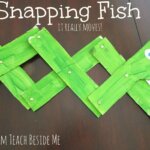
Looking for a fun summer craft and a way to dive into ocean-themed learning? This snapping fish craft is not only interactive and easy to make, but it also pairs perfectly with a read-aloud or unit study on ocean life. Below, you’ll also find 25 ocean books for kids—ranging from picture books to early chapter books—perfect for your home, classroom, or summer camp.
As someone who grew up in Florida, the ocean holds a special place in my heart. Now living far from the coast, I love sharing the magic of the sea with my kids through crafts, stories, and hands-on science activities. This post brings all of that together in one fun-filled ocean-themed bundle.
Snapping Fish Craft Tutorial
This snapping fish actually opens and closes its mouth when you move it! Kids love playing with them, and they’re great for imaginative play or a summer ocean unit.

Supplies You’ll Need:
-
Cardboard (a cereal box works great!)
-
Paint– we used green
-
Metal brads (paper fasteners)
-
Paper for eyes and teeth
-
Pencil for poking holes
-
Scissors
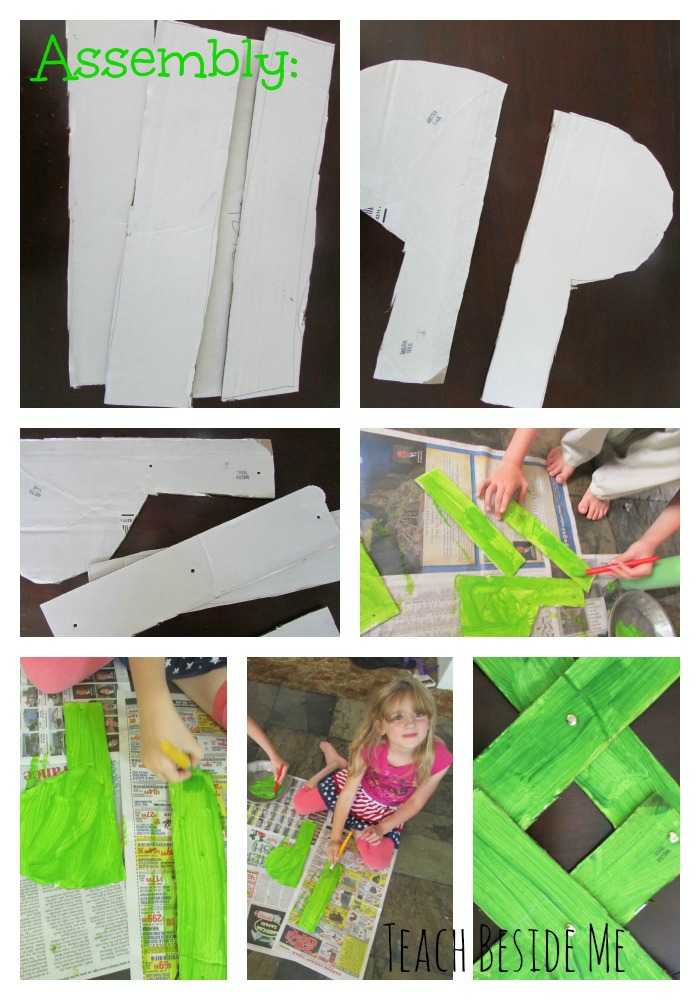
Instructions:
Cut your cardboard:
- Four strips: 2 inches by 12 inches each
- Two uppercase “P” shapes for the fish head (you can freehand this or make a template)
Paint all the pieces and let them dry completely.
Poke holes:
- The four strips need three holes: one in the center, and one at each end.
- The “P” shaped head pieces need two holes each: one in the center and one at the end of the curved part.
Connect the pieces using brads:
-
-
Link the cardboard strips to form a snapping mouth that opens and closes.
-
Attach the head to the ends.
-
Add eyes and teeth for personality!
Don’t forget to take a photo of your snapping fish in action!

The Science Behind the Snapping Fish Craft
This isn’t just a fun craft—it’s also a simple introduction to mechanical engineering and basic physics!
When kids play with the snapping fish, they’re using levers and linkages to create movement. Here’s how it works:
Mechanical Principles at Play:
-
Levers: Each cardboard strip acts like a lever arm, rotating around the brad (which acts like a pivot point or fulcrum). When you push or pull one part of the lever, the opposite end moves.
-
Linkages: The strips are connected in a series, forming a scissor-like mechanism. This is a real-world example of a mechanical linkage, where one part’s movement causes a chain reaction in the rest.
-
Kinetic Energy: When you move the cardboard strips, you’re applying kinetic energy, which transfers through the system and causes the fish’s mouth to open and close.
Why It Matters:
This simple build helps kids explore how motion is transferred in tools and machines. These same mechanical concepts are used in real-world applications like:
-
Scissors
-
Lifting arms on construction equipment
-
Folding ladders and bridges
By playing with their handmade snapping fish, kids are not only being creative—they’re also experimenting with physics and engineering in action.
Skills Practiced Making the Snapping Fish Craft:
-
Fine motor skills
-
Following instructions
-
Creativity and design
-
Early engineering (hinges and motion)
Check out this Paper Plate Fish Craft, too!
Extend the Learning with Ocean Books
Pair your snapping fish craft with a beach blanket, a sunny day, and some of these fantastic ocean-themed books. This list includes nonfiction, picture books, educational series, and a few childhood classics.
Here are 25 of our favorite ocean books for kids:

25 Ocean Books for Kids
See More Fish & Ocean Themed Activities:
Sink or Float: Density of Salt Water
Make a Paper Plate Aquarium: Fun Ocean Craft for Kids




That is awesome!
This list is fabulous, and I *love* your snapping fish!! Pinning!
Too cute! My kids would be snapping everybody!
So cute! Thank you!!
That snapping fish is way too cute!
How fun that you can create it to actually move!
Great list of books!