
LEGO Tessellation Puzzle – Explore Math, Art & Engineering Through Play
This post may contain affiliate links.
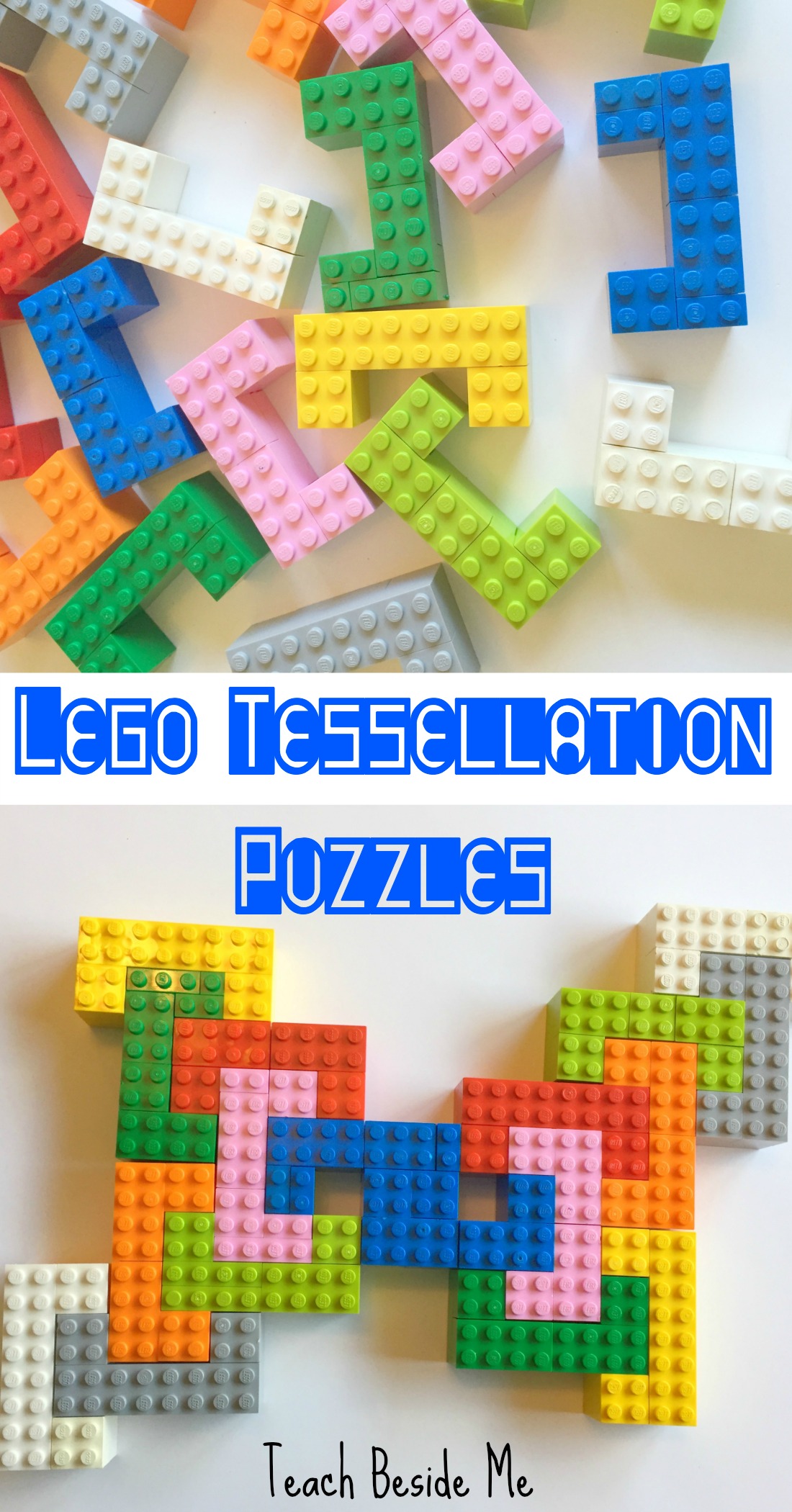
Do your kids love LEGO bricks? You can take that passion and turn it into an engaging math and STEM learning experience with this creative activity: building tessellation puzzles with LEGO!
This hands-on project teaches kids about symmetry, pattern, spatial reasoning, and the mathematical concept of tessellations—all while having fun.
What Is a Tessellation?
A tessellation (also known as tiling) is a pattern made by repeating shapes that fit together perfectly without any gaps or overlaps—just like a puzzle. Think of bathroom tiles, honeycombs, or the intricate mosaics found in ancient Roman buildings.
In math, tessellations help kids visualize geometry concepts such as:
-
Shapes and angles
-
Congruence and symmetry
-
Repetition and pattern recognition
In art, tessellations are used to create decorative and symmetrical designs. One of the most famous artists to explore tessellations was M.C. Escher, whose work often combined geometry with imaginative shapes like birds, fish, and people that interlocked in mind-bending ways.
The History of Tessellations
Tessellations have been around for centuries and appear in cultures around the world:
-
Islamic architecture features stunning geometric mosaics using tessellation principles.
-
Ancient Roman and Greek civilizations used tessellated tile work in their temples and homes.
-
In nature, we see tessellations in beehives, pineapple skins, turtle shells, and even the patterns on fish scales.
Exploring tessellations connects kids to a global tradition of mathematical and artistic design.
Check out my Heart Tessellation art project.
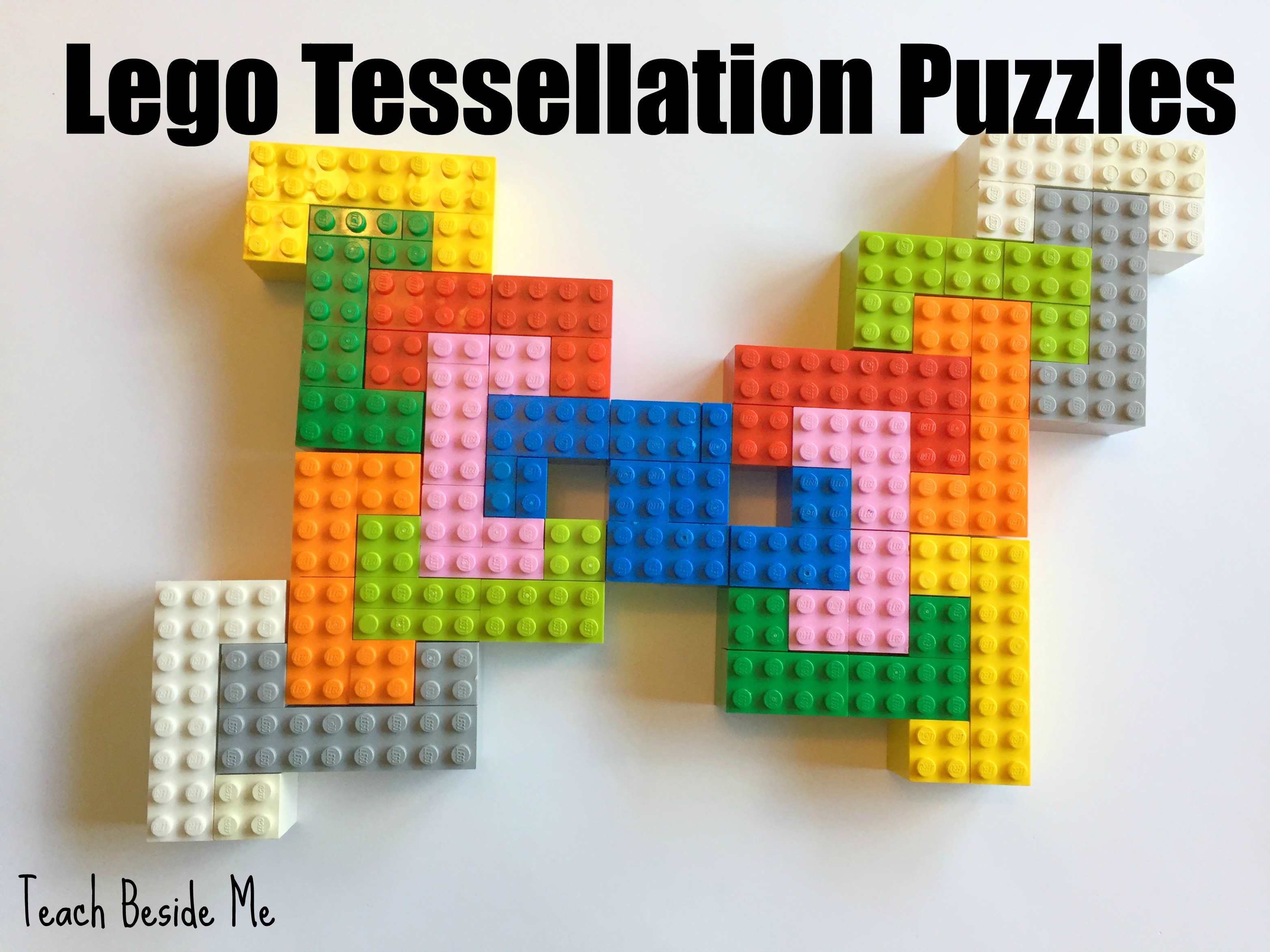
LEGO Tessellation Puzzle – Hands-On Math
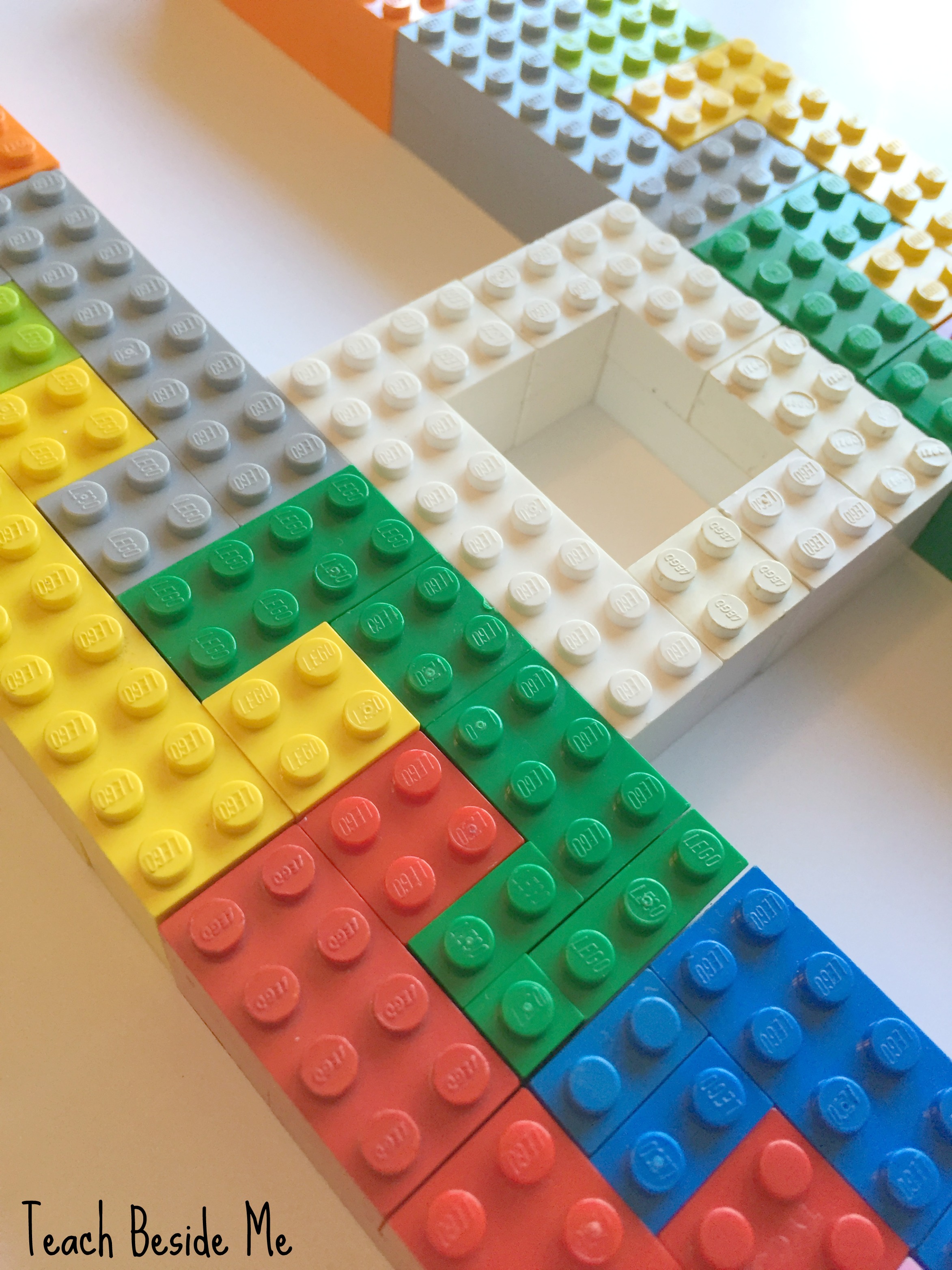
In this activity, kids will build a set of repeating LEGO shapes and use them to create their own tessellated designs on a baseplate or flat surface.
Materials You’ll Need:
-
LEGO bricks (a variety of sizes and colors)
-
Flat LEGO baseplate
We made 2 of each puzzle piece shape in different colors so we could experiment with symmetry and variety in our builds. My kids spent hours creating new patterns!
Educational Benefits of the LEGO Tessellation Puzzle
This is more than just a fun building challenge—it supports essential learning goals in:
-
Math: geometry, symmetry, repeating patterns, spatial awareness
-
Engineering: design testing, problem-solving, model-building
-
Art: color theory, abstract design, creativity through constraint
-
Fine motor skills: great for preschool and elementary ages
This activity is also ideal for visual and kinesthetic learners who thrive on hands-on exploration.
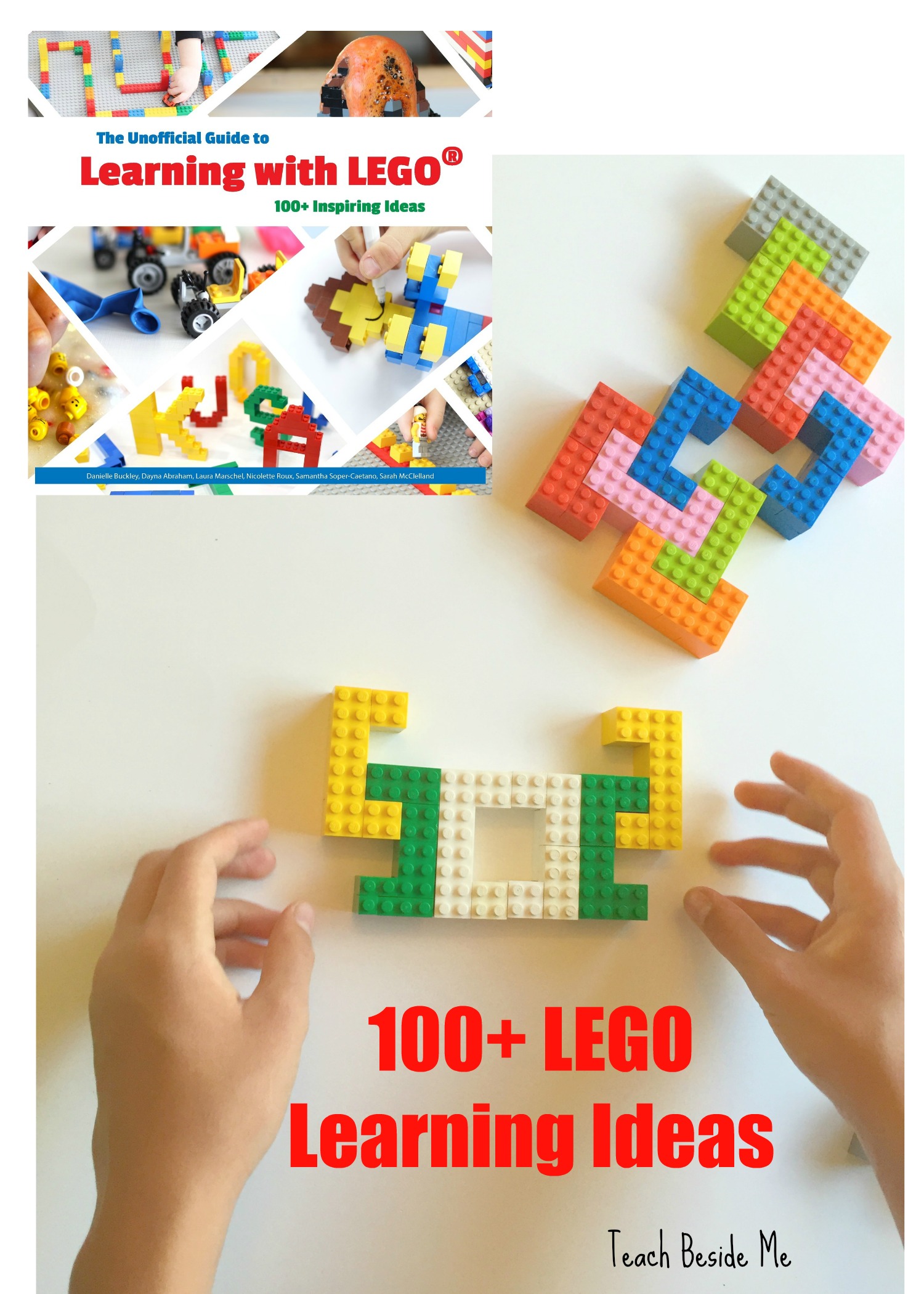
Inspired By: The Unofficial Guide to Learning with LEGO
This LEGO activity is one of many from the amazing book:
The Unofficial Guide to Learning with LEGO: 100+ Inspiring Ideas
By: Nicolette Roux, Danielle Buckley, Dayna Abraham, Laura Marschel, Samantha Soper-Caetano, and Sarah McClelland
This book is packed with over 200 pages of creative learning activities using LEGO, from early literacy to full-blown engineering.
Ideas for Extending the Learning
Want to keep the learning going? Try these ideas:
-
Create a giant floor tessellation with cut-out paper shapes or cardboard tiles.
-
Use digital design tools (like pattern blocks apps or pixel art platforms) to explore tessellations.
-
Explore nature’s tessellations—look at pineapple skin, pinecones, or cracked mud.
-
Introduce your kids to M.C. Escher and let them draw their own tessellating creatures.
-
Connect to coding and robotics by programming a robot (like LEGO Spike or Mindstorms) to draw a repeating path.
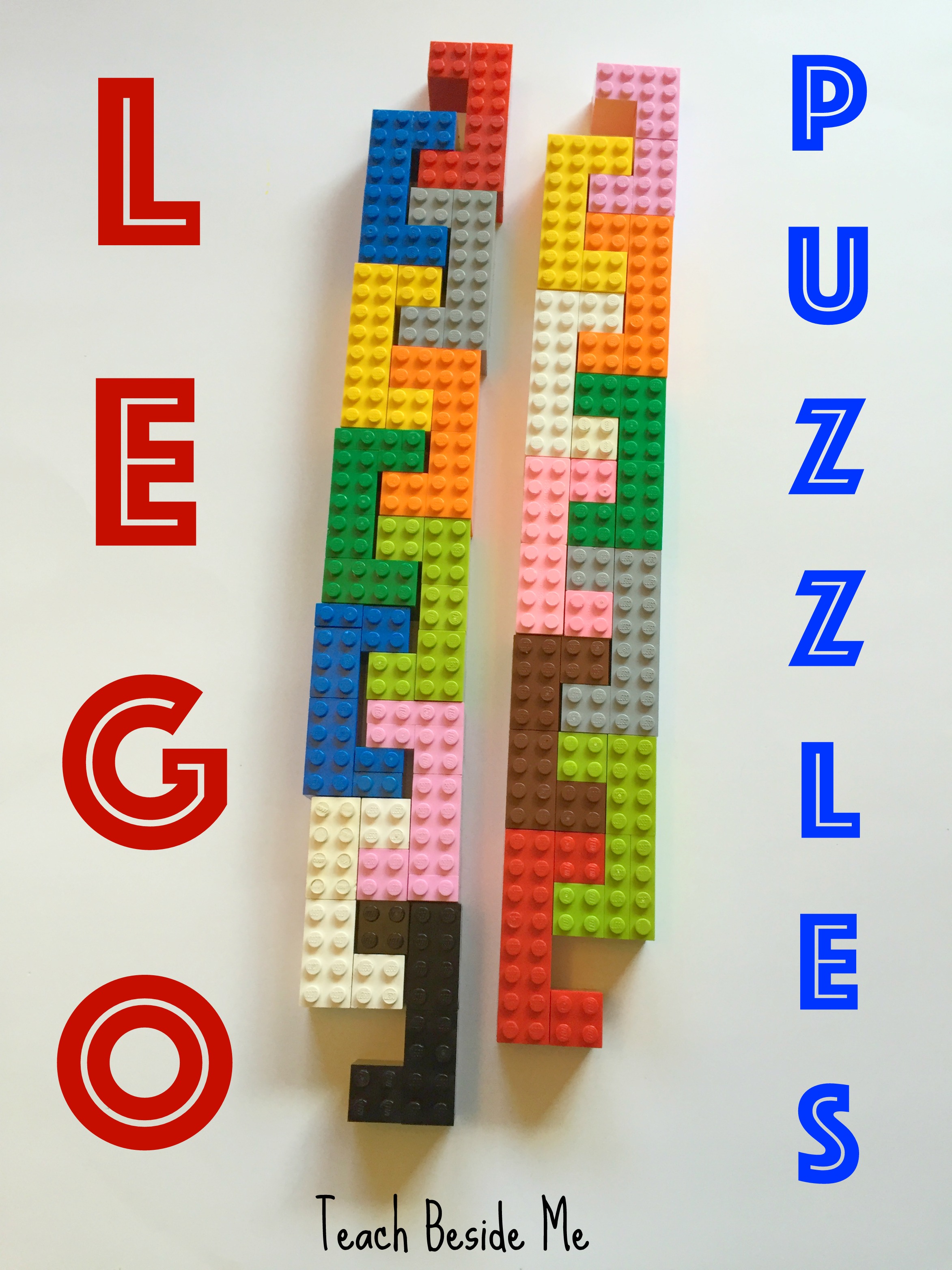
Tessellations are a beautiful blend of art and math—and building them with LEGO makes them even more fun. This simple yet educational activity can lead to deeper conversations and explorations in many subject areas.
Let your kids experiment, invent new patterns, and maybe even create their own Escher-inspired LEGO designs. You’ll be amazed by their creativity!
Check Out More of My LEGO Learning Ideas:
LEGO Balloon Powered Car~ If I Built a Car
Fun and Easy LEGO Math Activities (With Candy or Regular Bricks!)


