Oil Spill Clean-Up Experiment (Easy Earth Day STEM Activity for Kids)
This post may contain affiliate links.
Oil spills are some of the most devastating environmental disasters in our oceans. When oil leaks into the water, it spreads quickly across the surface, harming marine life, birds, and coastal ecosystems. This oil spill clean-up experiment helps kids understand how difficult it is to remove oil from water—and why protecting our environment matters so much.
It’s a powerful, hands-on Earth Day STEM activity that combines science, problem-solving, and real-world learning.
See more STEM projects HERE.
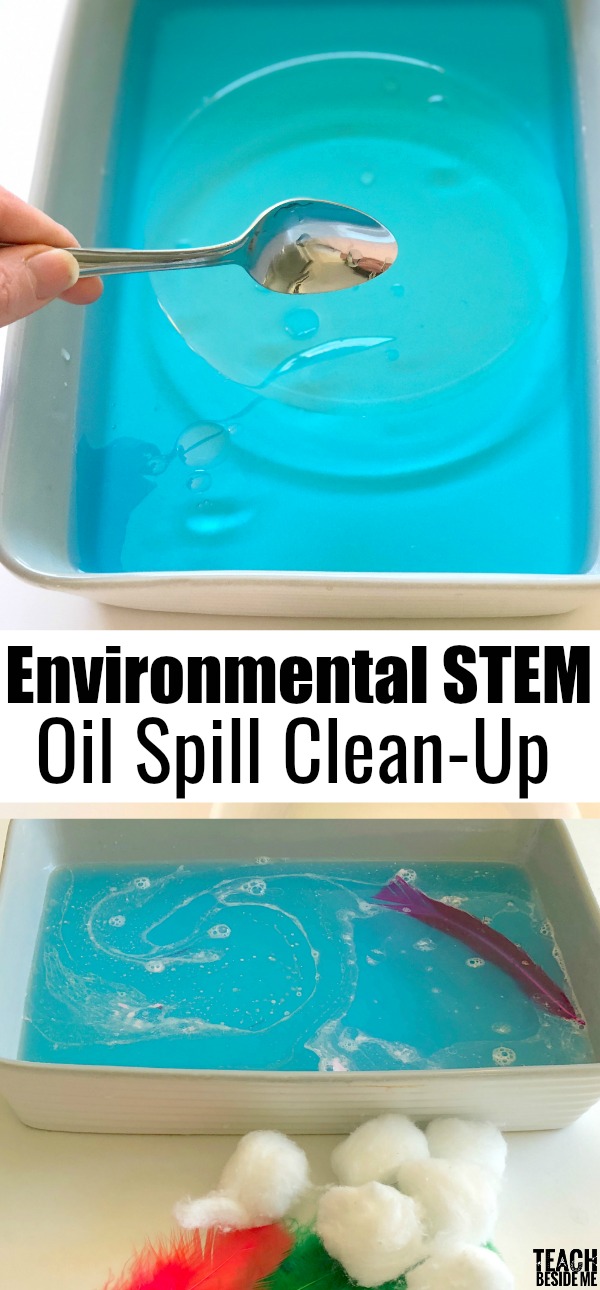
What Is an Oil Spill?
An oil spill happens when liquid petroleum is released into the environment, often in oceans or waterways.
This can happen from:
- Offshore drilling accidents
- Oil tanker spills
- Pipeline leaks
- Ships releasing waste oil
Because oil floats on water, it spreads quickly across the surface, coating everything it touches.
Why Oil Spills Are So Harmful
Oil spills can have serious environmental impacts:
- Damage to marine plants and animals
- Birds’ feathers become coated, making it hard to fly or stay warm
- Animals can ingest oil while trying to clean themselves
- Shoreline habitats are affected
Some spills take years to fully recover from, making prevention and cleanup incredibly important.
For kids, it is an important thing to learn about. I want my kids to understand the importance of keeping our environment clean and safe.
Oil Spill Clean-Up Experiment
This activity lets kids explore different ways to remove oil from water and see which methods work best.
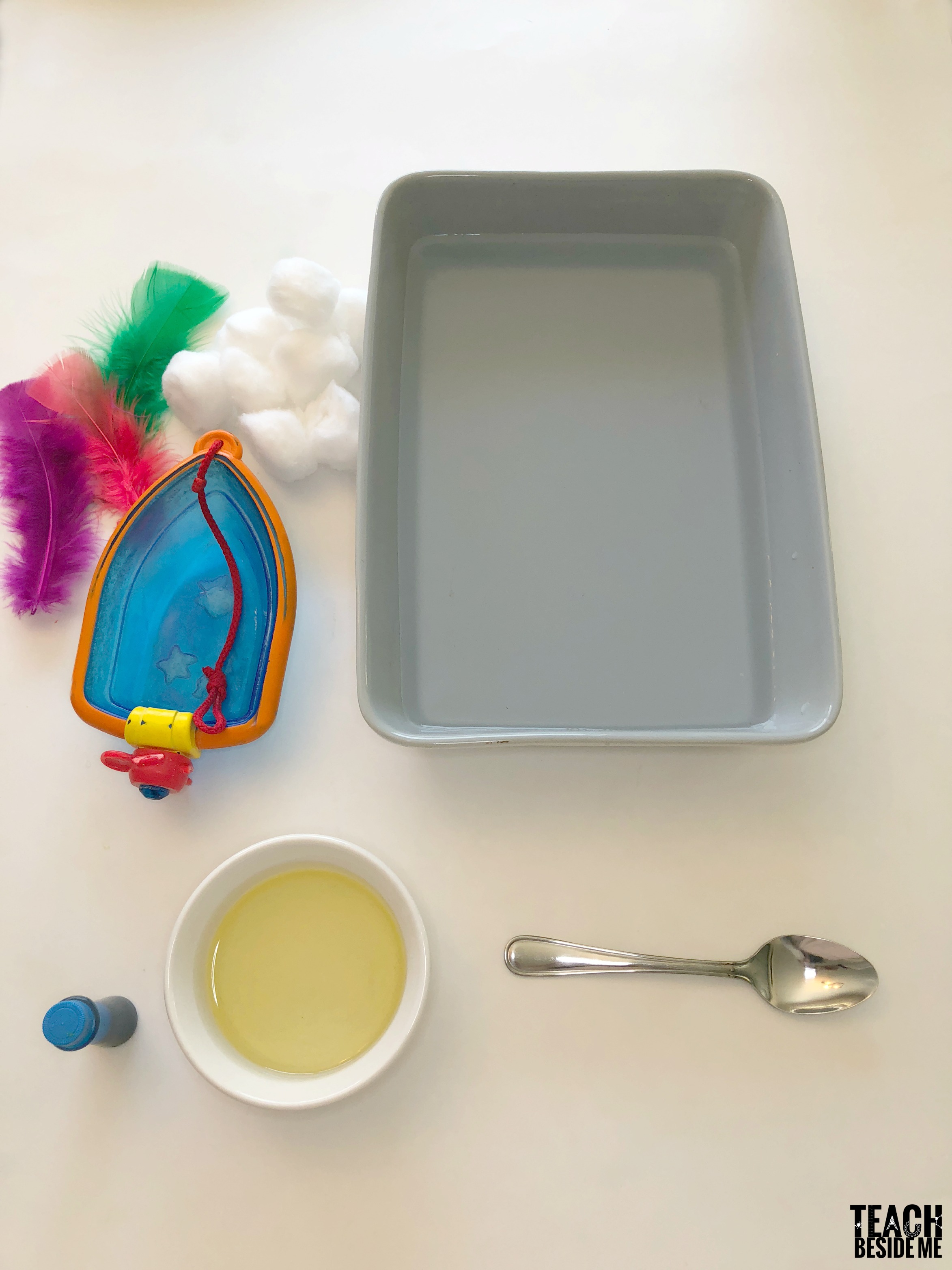
Supplies You’ll Need
- A shallow pan or container of water
- Blue food coloring (optional)
- Vegetable oil (or motor oil for older students with supervision)
- Cotton balls
- Paper towels
- Feathers
- Spoon
- Dish soap
- Sponge (optional)
This oil spill experiment pairs perfectly with the Let’s Read and Find Out Science book: Oil Spill by Melvin Berger.
How to Set Up the Experiment
1. Prepare the “Ocean”
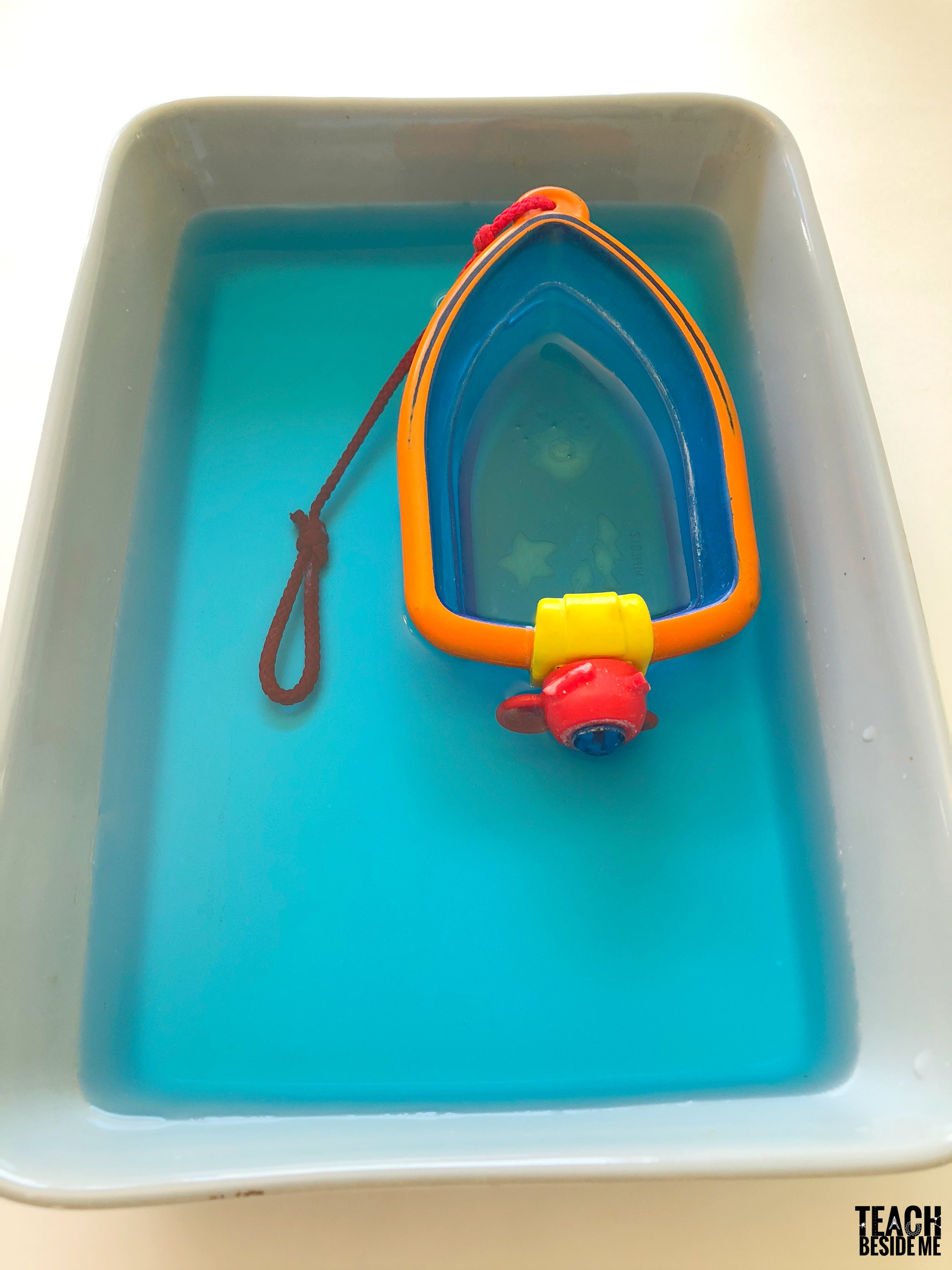
Fill a pan with water and add a few drops of blue food coloring to represent the ocean.
2. Create the Oil Spill
Pour about ¼ cup of oil into the water.
You can make it more engaging by pouring from a toy boat or letting kids “accidentally” spill it. Watch how the oil spreads and floats on surface of the water.
3. Make a Hypothesis
Ask: Which material will clean up the oil best? Have kids make predictions before testing.
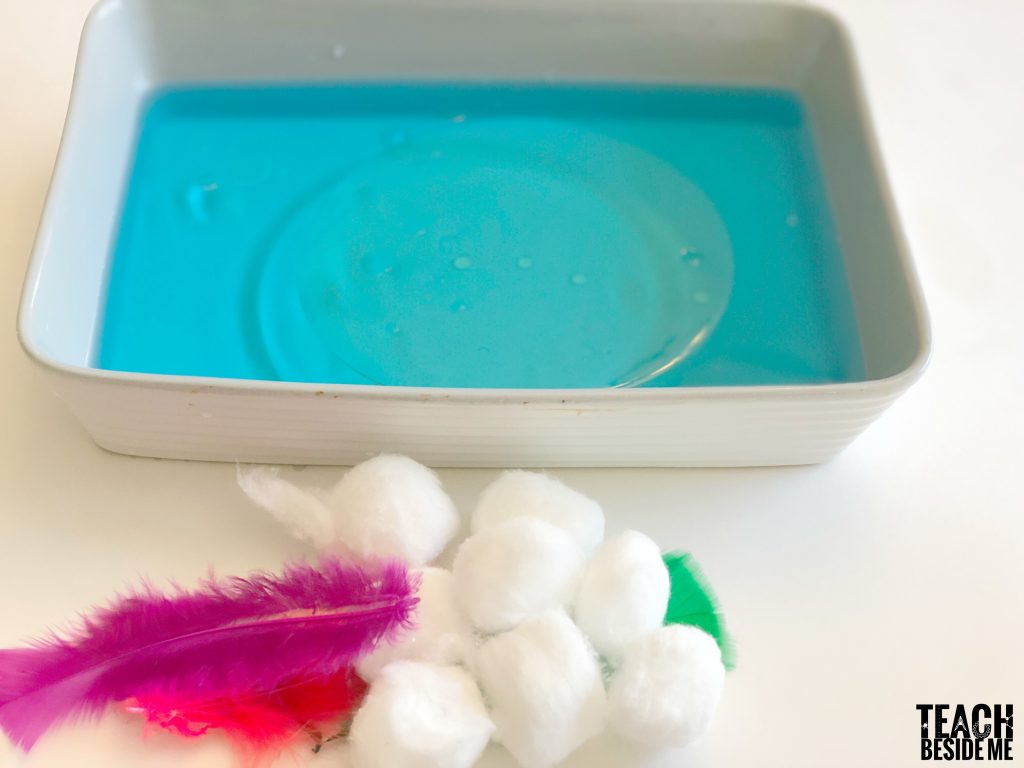
4. Test Clean-Up Methods
Try removing the oil using:
- Spoon
- Cotton balls
- Paper towels
- Sponge
- Feathers
- Medicine dropper
- Skimmers
Observe what works best and what doesn’t.
5. Try Soap (Like Real Clean-Up Crews)
Add a small amount of dish soap and observe what happens.
You can also try cleaning oil off feathers and notice how difficult it is. Connect this to cleaning the wildlife after an oil spill.
What Kids Will Notice
- Oil floats on water
- Some materials absorb oil better than others
- Cleanup is slow and messy
- Feathers and fur are very hard to clean
This leads to important discussions about real-world environmental challenges.
The Science Behind It
Oil and water do not mix because of a property called polarity.
- Water molecules are polar
- Oil molecules are nonpolar
Because of this, oil floats on top instead of dissolving.
Dish soap works because it is a surfactant, which helps break oil into smaller droplets so it can mix with water and be washed away.
Real-World Connection
One of the most well-known oil spills was the Deepwater Horizon oil spill in 2010.
- Over 4.9 million barrels of oil were released
- 11 workers lost their lives
- Wildlife and ecosystems were impacted for years
This experiment helps kids begin to understand the scale and difficulty of cleaning up events like this.
Why This Is a Great Earth Day Activity
This experiment teaches more than science—it builds awareness.
Kids learn:
- Environmental responsibility
- Problem-solving skills
- How human actions impact the planet
It’s a meaningful way to connect science learning with real-world issues.
Extend the Learning
Take this activity further by:
- Researching real oil spill cleanup methods
- Learning about marine animals affected by spills
- Designing your own “better” cleanup tool
- Writing about ways to protect the environment
Try More Earth Day themed activities:
Earth Fractions ~Earth Day Math
Try a Printable STEM Lab Sheet
Make it a full lesson with this printable STEM Lab sheet to help kids learn the scientific method in the process. 




I am using this experiment for a presentation on oil spills with a group of seniors. I am adding a boom & skimmer and talking about some of the chemistry, but I would not have had this idea if it wasn’t for you ☺ Thanks!