
Open Ended Rice Sensory Bin Play
This post may contain affiliate links.
If you’re looking for a low-prep, high-engagement activity for your toddler, preschooler, or kindergartener, a rice sensory bin is a timeless and effective tool. It’s not just fun—it’s packed with early learning benefits. Today we’re diving into how to set up open-ended rice sensory play and why it matters.
What Is a Rice Sensory Bin?
A rice sensory bin is exactly what it sounds like: a container filled with dry rice that kids can explore using their senses. Sensory play like this supports childhood development by engaging multiple senses and encouraging open-ended, imaginative exploration. It fosters:
-
Fine motor skills
-
Hand-eye coordination
-
Language development
-
Practical life skills like pouring and scooping
-
Sensory regulation and calming play

Why Open-Ended Play Matters
This idea came from a Rice Sensory Bin Challenge I participated in, where the goal was to offer kids nothing but a bin of rice and see what they came up with. No instructions. No props. Just pure imagination.
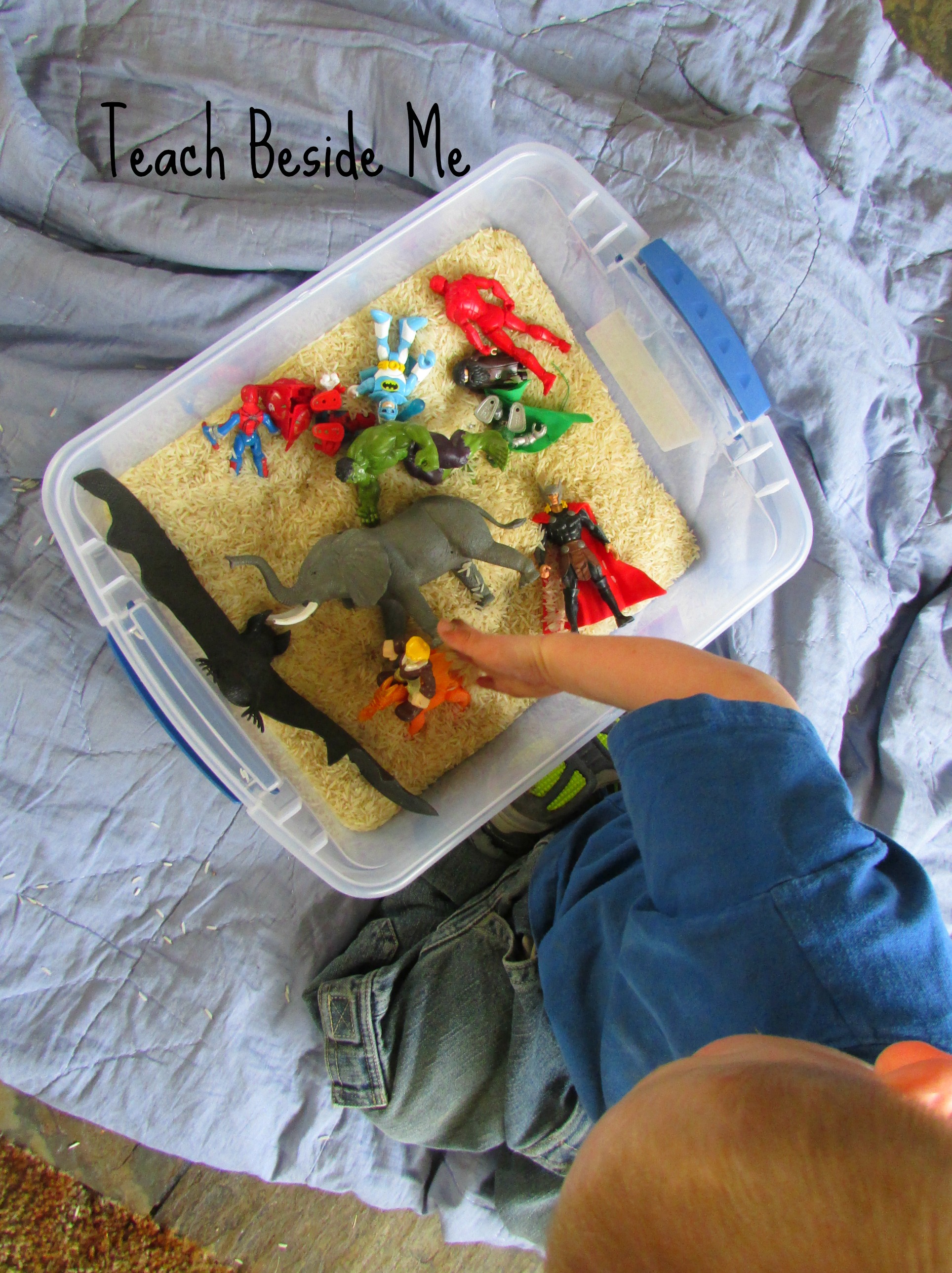
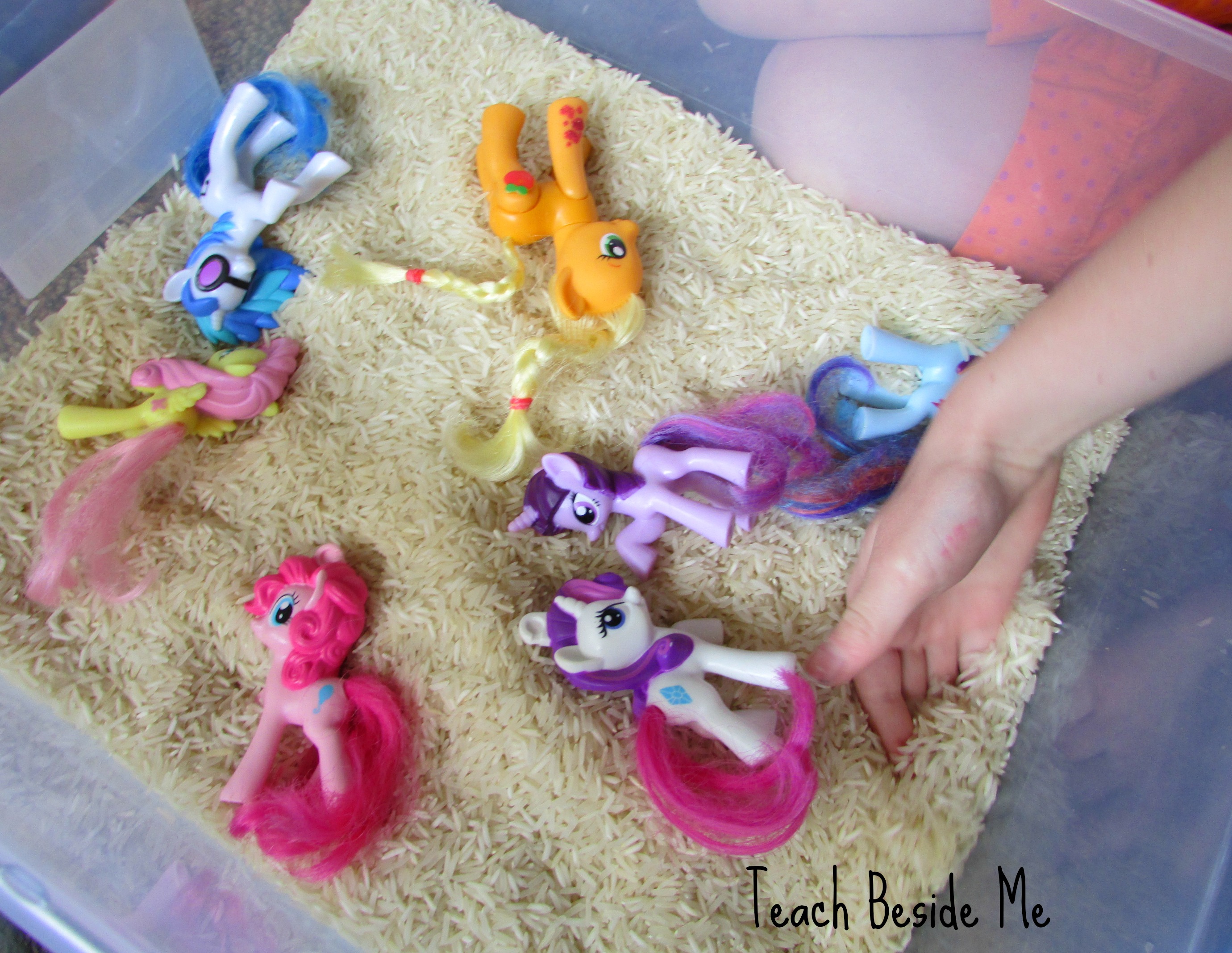
I loved seeing what my kids created! My toddler dove in first with superhero figurines, building scenes and stories. Later, my daughter swapped out the superheroes for ponies and created a totally different world. Giving them space to decide how to play encouraged storytelling, problem-solving, and personal creativity.

How to Set Up Your Own Rice Sensory Bin
Materials:
-
A large plastic bin with a lid
-
4–6 cups of dry rice (white or colored)
-
A few scoops, spoons, or funnels (optional)
-
Figurines, cups, measuring spoons, or other toys (optional)
-
A blanket or mat underneath to contain mess
You can use plain white rice, or if you want to level up, try rainbow rice. We love making it! All you need is white rice, white vinegar, and food coloring. Find the instructions in my rainbow rice tutorial.
Rice Sensory Bin Tips
-
Store it for reuse: Snap the lid on your bin when playtime is over. It lasts for months!
-
Take it outside: If you’re worried about mess, do this activity outdoors or on a deck.
-
Change it up: Add themes! Try dinosaurs, ocean animals, or construction vehicles.
-
Try other fillers: Rotate in oats, dried beans, lentils, pom poms, or kinetic sand to keep things fresh.
Why Sensory Play is So Important
Sensory bins aren’t just a boredom-buster; they’re a powerful learning tool. Early sensory exploration builds connections in the brain that support more advanced learning later on. Plus, it teaches cause and effect, encourages language around textures and actions, and helps kids focus and calm their bodies.
Extend the Learning
Want to add a little more structure? Try these ideas:
-
Sort by color or size
-
Practice measuring and pouring
-
Hide small letters or numbers for kids to find
-
Create a “bakery” or “store” for pretend play
Sensory bins are an invitation to explore, discover, and play—all while learning. What starts as a bin of rice might just become a rocket launch site, a pony ranch, or a superhero headquarters. That’s the magic of open-ended play.
Check Out More of My Sensory Play Recipes and Activities:
Winter Science: Fizzing Snowmen
Rainbow Play Dough Color Mixing
See what the other participants in the rice sensory bin challenge did with their kids.
Sensory Bin Challenge Participants:
A Mommy’s Adventures ~ Craftulate ~ Life with Moore Babies ~ Minne-Mama ~ Preschool Inspirations ~ Still Playing School ~ Suzy Homeschooler




Isn’t it great how kids can be entertained by just a tub of rice? I liked their uniquely individual choices to add to the bin!