Road Safety for Kids: Printable Game & Safety Lessons
This post may contain affiliate links.
Teaching road safety for kids is one of the most important early life skills we can help children learn. Young children need lots of practice learning how to safely cross streets, recognize road signs, understand traffic signals, and stay aware around cars.
One of the best ways to teach safety skills is through hands-on play.
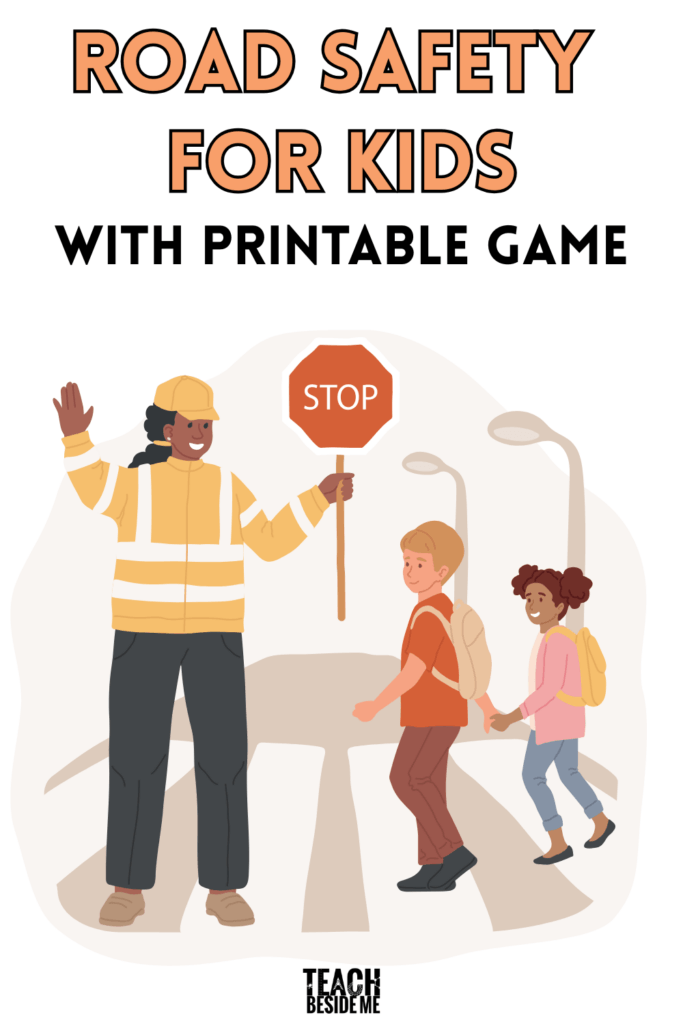
This printable road safety game for kids combines learning and fun while helping children practice important pedestrian safety concepts in a simple, age-appropriate way. Pair it with a favorite road safety book, toy cars, or a pretend street setup for an engaging preschool or elementary safety lesson.
This activity is especially helpful for:
- Preschoolers
- Kindergarten students
- Early elementary kids
- Homeschool lessons
- Classroom safety units
- Transportation themes
Why Road Safety for Kids Matters
Children are naturally curious and impulsive, which makes practicing road safety skills extremely important from an early age.
Kids need repeated opportunities to learn:
- how to safely cross the street
- what traffic lights mean
- why stop signs matter
- how to stay alert near roads
- when to walk with an adult
- how to recognize dangerous situations
Hands-on activities and games help children remember these important lessons much better than lectures alone.
By practicing safety concepts through play, children build confidence and awareness in a low-pressure and memorable way.
Important Road Safety Skills for Kids
Young children can begin learning many basic traffic and pedestrian safety concepts.
Some important road safety lessons include:
- Stop at the curb or crosswalk before crossing the street.
- Look left, right, and left again
- Walk, never run, across the street
- Use crosswalks when possible
- Listen for cars and emergency vehicles
- Recognize traffic lights and road signs
- Hold an adult’s hand near busy roads
- Watch for turning vehicles
- Stay alert in parking lots
Even preschoolers can begin recognizing common road signs and understanding simple safety rules.
Bicycle and Scooter Safety for Kids
Road safety for kids also includes learning how to stay safe while riding bikes, scooters, and ride-on toys.
Young children should always have adult supervision while riding near roads, sidewalks, intersections, or driveways.
Important bicycle safety habits include:
- wearing a properly fitted helmet
- watching carefully for cars
- stopping at curbs and crosswalks
- staying aware of surroundings
- riding slowly near pedestrians
- learning basic traffic signs
- using sidewalks and safe riding areas when appropriate
As children grow older, they can begin learning additional bike safety rules such as hand signals, bike lane awareness, and safe street crossing habits.
Practicing these safety skills early helps children build confidence and develop lifelong safe habits around roads and traffic.
Road Safety Tips for Younger Children
Toddlers and younger children need frequent reminders and lots of adult supervision near roads, parking lots, and driveways.
Young children are still learning how to:
- notice their surroundings
- judge distance and speed
- stop at the curb
- stay inside crosswalk areas
- recognize moving vehicles
Caregivers can help children build safer habits by practicing road safety skills regularly during walks and daily routines.
Some important prevention habits include:
- holding hands near roads
- stopping before crossing
- avoiding running into driveways
- watching carefully for passengers getting out of vehicles
- staying alert around parking lots and bicycles
Repeated practice helps road safety behaviors become lifelong habits for kids.
Printable Road Safety Game for Kids
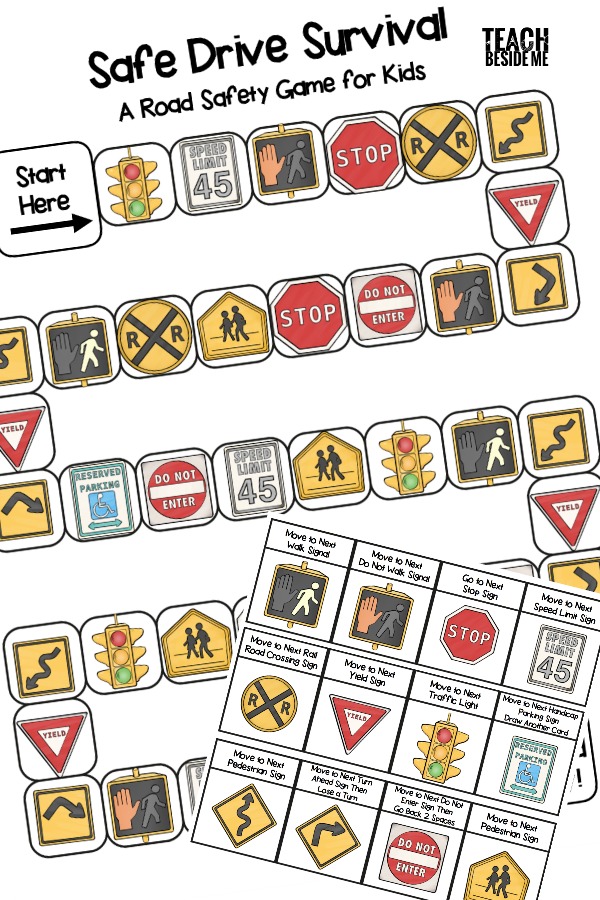
This printable road safety game helps reinforce important traffic safety concepts through hands-on play.
The game includes colorful road signs and picture cards that help children practice:
- road sign recognition
- following directions
- turn-taking
- visual discrimination
- safety awareness
It is designed similarly to a simple preschool board game, making it easy enough for even young children to play independently once they learn the rules.
Kids simply draw cards, recognize the pictures, and move along the game board.
Because the game uses visual picture prompts, it works especially well for preschoolers and early readers.
How to Play the Road Safety Game
Supplies Needed
- Printable road safety game board
- Picture cards
- Game markers or small toys
- Scissors
- Printer paper or cardstock
Optional:
- Laminator for durability
How to Play the Road Safety Game
Step 1: Print the Game
Print the road safety game board and cards.
Cardstock works especially well if you want to use the game multiple times in classrooms or homeschool settings.
Step 2: Cut Out the Cards
Cut apart the picture cards.
You may also choose to laminate the cards and game board for longer use.
Step 3: Choose Game Pieces
Each player selects a marker or small toy to use as their game piece.
Mini toy cars are especially fun for this activity.
Step 4: Follow the Road Signs
Players take turns drawing cards and moving along the game board according to the pictures shown.
Children practice recognizing:
- stop signs
- traffic lights
- crosswalks
- warning signs
- transportation symbols
The first player to reach the end safely wins the game.
Educational Benefits of Road Safety Games
Road safety games help children practice important life skills while keeping learning playful and engaging.
This printable game encourages:
- visual learning
- memory skills
- observation
- following directions
- social skills
- turn-taking
- vocabulary development
- safety awareness
Children often retain safety information more effectively when they actively participate in games and role-playing activities.
Road Signs Preschoolers Can Learn
Preschoolers are often excited to begin recognizing signs they see in the real world.
Start by introducing a few basic road signs:
- Stop sign
- Yield sign
- Traffic light
- Railroad crossing sign
- School crossing sign
- Pedestrian crossing sign
As children become more familiar with the signs, point them out during walks or car rides.
Real-life repetition helps children build stronger safety awareness.
Signs and Situations Kids Should Recognize
As children become more aware of road safety, they can begin recognizing situations involving:
- pedestrians
- bicycles
- school crossings
- stop signs
- bike lanes
- traffic lights
Talking about road safety during walks, bike rides, or car rides helps children connect real-world situations to the safety lessons they are learning through play.
Ways to Extend the Learning
There are so many fun ways to continue teaching road safety for kids beyond the printable game.
Road Safety Pretend Play Ideas
Pretend play is one of the best ways for kids to practice safety skills in a low-stress environment.
Younger children can use:
- toy cars
- road signs
- stuffed animals
- small toys
- play mats
to practice crossing roads and following traffic rules.
Older children may enjoy creating more complex road systems with intersections, bike lanes, and traffic patterns.
Caregivers can guide discussions about:
- safe pedestrian habits
- bicycle safety
- traffic awareness
- making safe choices around roads and vehicles
Hands-on pretend play often helps children remember safety concepts much more effectively.
Create a Pretend Road
Use:
- painter’s tape
- chalk
- toy cars
- traffic cones
- Try my fabric ones!
- Race Car Alphabet Practice
to create roads and intersections for kids to practice crossing safely.
Take a Neighborhood Safety Walk
Walk through your neighborhood together and identify:
- stop signs
- crosswalks
- traffic lights
- sidewalks
- road markings
Practice stopping at corners and looking both ways.
Build a Toy Car City
Use blocks, toy cars, and signs to create a miniature city where children can practice traffic safety rules through imaginative play.
Practice Bike and Scooter Safety
If your child rides bicycles or scooters, practice stopping safely at:
- curbs
- crosswalks
- driveways
- intersections
Talk together about watching for cars, pedestrians, and obstacles while riding.
Hands-on practice in safe environments helps children become more aware and responsible riders.
Read Road Safety Books Together
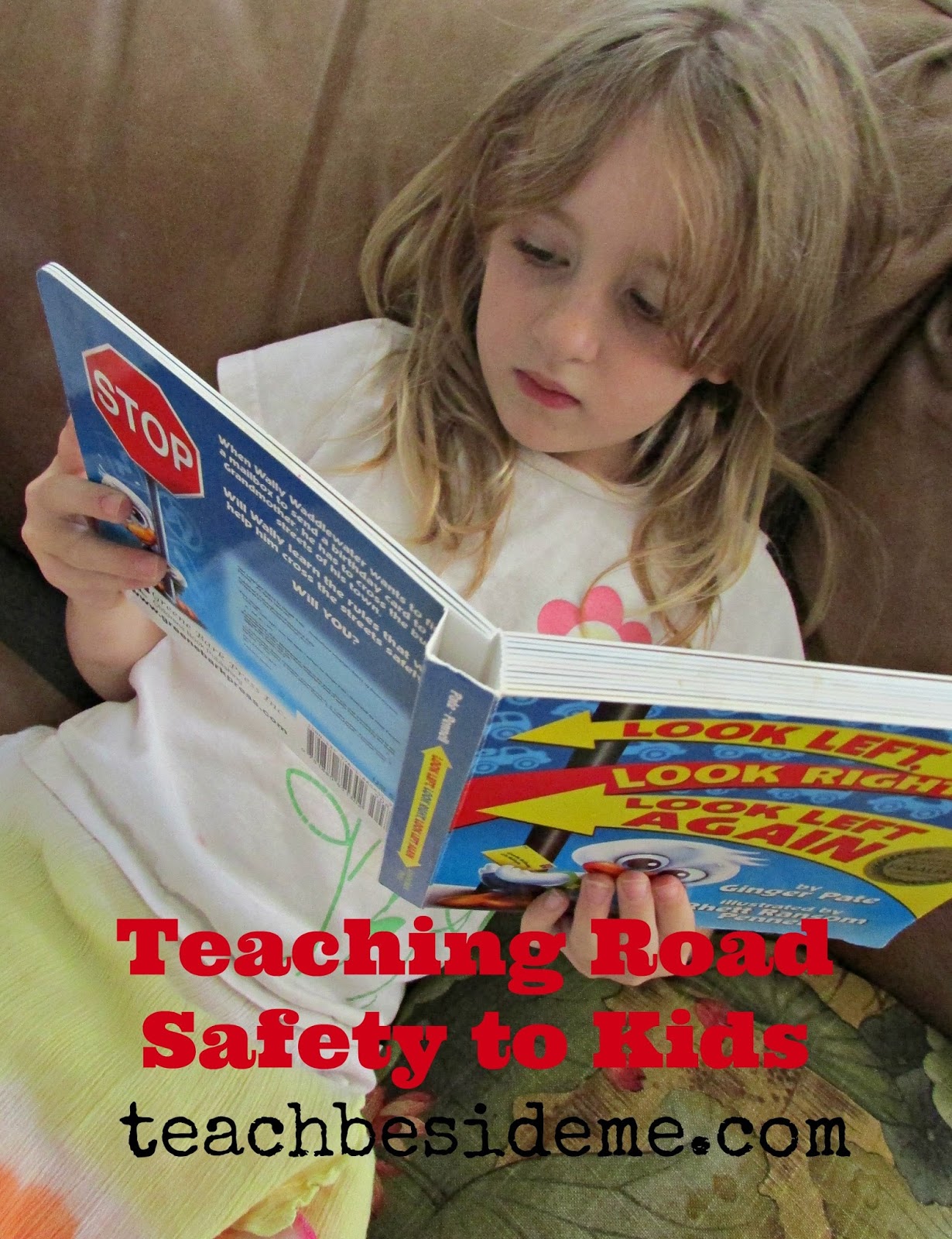
Picture books are a wonderful way to reinforce safety lessons through storytelling and discussion. We love this cute book: Look Left, Look Right, Look Left Again by Ginger Pate
Books about:
- crossing the street
- traffic lights
- community helpers
- transportation safety
can help children better understand real-world situations.
Questions to Discuss With Kids
Talking together helps children process and remember safety concepts.
Try asking:
- Why is it important to stop before crossing the street?
- What should you do if you hear a siren?
- What does a red traffic light mean?
- Why should we use crosswalks?
- What should you do in a parking lot?
- Why do we hold hands near busy roads?
Simple discussions like these help children apply safety concepts to real-life situations.
Tips for Teaching Safety Skills Without Fear
It is important to teach road safety in a calm and empowering way.
The goal is not to make children fearful of roads or traffic, but to help them become:
- aware
- observant
- cautious
- confident
Using games, pretend play, books, and real-world practice creates positive learning experiences that help children remember important safety habits.
Road safety lessons should help children become observant and aware of their surroundings rather than fearful. Consistent practice and encouragement help safe behaviors become lifelong habits.
Download the Printable Road Safety Game
This printable road safety game is a fun way to help reinforce important pedestrian safety skills with preschool and elementary-aged children.
The printable includes:
- game board
- picture cards
- road sign learning opportunities
- simple preschool-friendly gameplay
It is perfect for:
- homeschool
- classrooms
- transportation units
- safety lessons
- family learning time