
How To Identify Plants On a Nature Walk
This post may contain affiliate links.
Do you want to explore nature with your kids but feel unsure about what you’re actually seeing? You’re not alone! Nature study is one of our favorite parts of homeschooling, but I used to feel frustrated not knowing the names of the plants we found. That changed when we started using a simple tool: the PlantSnap app.
Whether you’re in the backyard, hiking a trail, or exploring your local park, learning to identify plants with your kids can make every outing more meaningful. It’s also a great way to nurture curiosity, observation skills, and a lifelong connection with the natural world.

Why Plant Identification Matters
Teaching kids to recognize plants around them isn’t just fun—it’s also deeply educational:
- Builds observation and inquiry skills
- Enhances memory and vocabulary
- Fosters a habit of curiosity and deeper learning
- Encourages stewardship of the earth
- Helps kids recognize edible vs. toxic plants (an important life skill!)
-
Supports beginner foraging skills for safe, sustainable harvest
Nature knowledge isn’t just for science class. It’s a way to help kids feel more connected to the world they live in.
Pair this app with printable My Nature Journal!
Using the PlantSnap App for Nature Study
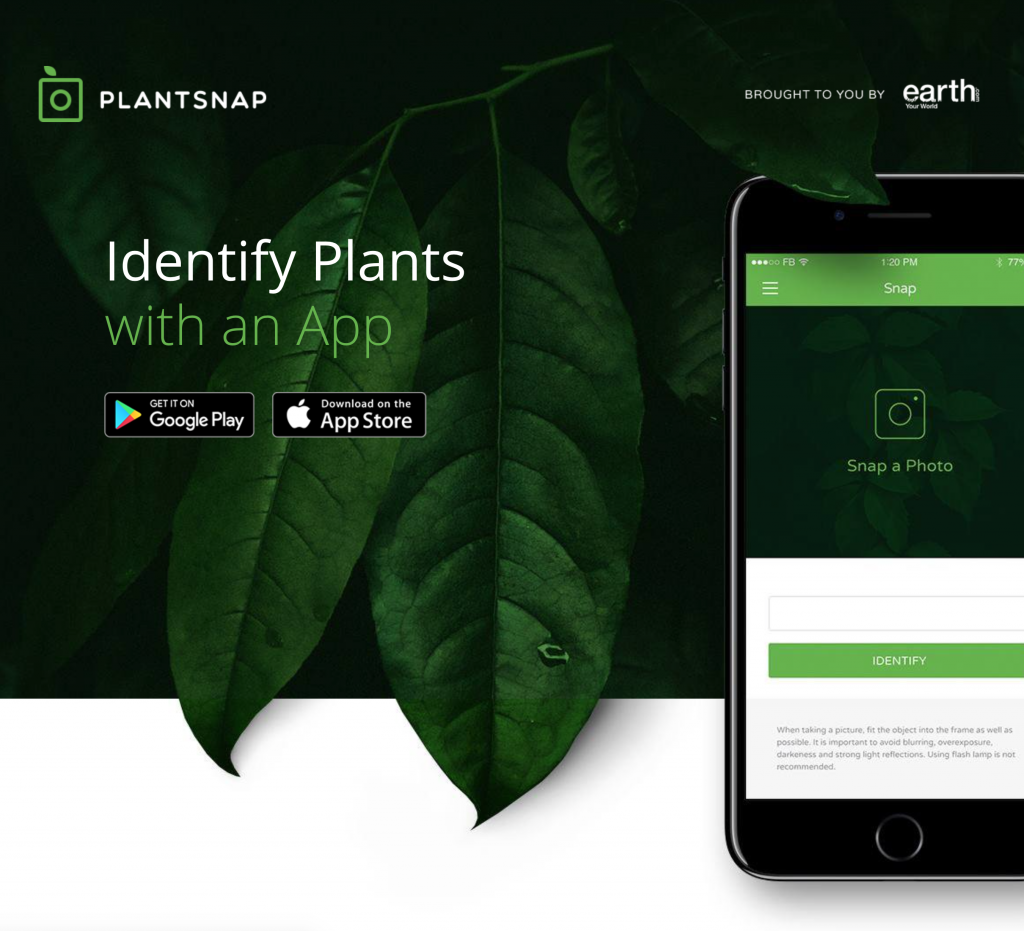
PlantSnap is a user-friendly app that helps you instantly identify plants, flowers, leaves, and trees. It uses photo recognition powered by artificial intelligence to match your pictures to over 600,000 plant species around the world.
How it works:
- Download the app (available on iOS and Android)
- Open your camera within the app
- Snap a clear photo of the plant—ideally just the leaves or flower
- Let the app scan and match it
- Browse the top suggested species and choose the best match
Each match includes information about the plant’s name, classification, habitat, and photos so you can compare and learn more.
Understanding Scientific Details
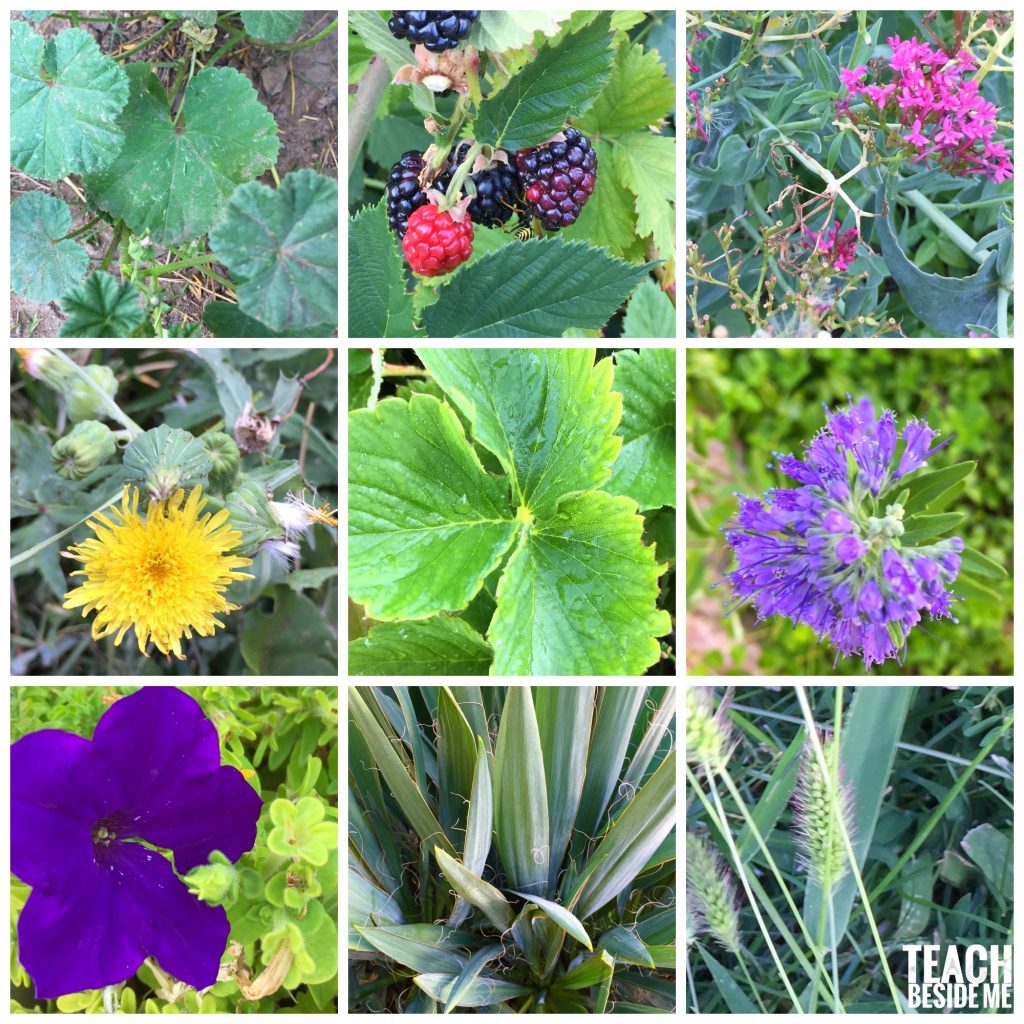
When a plant is identified, you’ll often see the following:
- Common name (e.g. dandelion)
- Scientific name (binomial name, e.g. Taraxacum officinale)
- Family and Genus – The plant’s biological classification
- Habitat and region – Where the plant naturally grows
- Growth habits – Annual, perennial, or biennial
- Toxicity – Whether it’s safe or harmful to humans or pets
- Uses – Edible, medicinal, ornamental, or invasive
These scientific details can lead to meaningful conversations with kids about classification, ecosystems, and plant adaptations.
Tips for Taking the Best Photos:
- Get up close: Fill the frame with the leaf, flower, or stem
- Make sure the photo is in focus
- Avoid including multiple plant types in one image
- Take photos in natural lighting if possible
If your photo doesn’t get a perfect match, you can scroll through suggestions or save it and try again later.
Fun Ways to Use PlantSnap with Kids:
- Take a nature walk and turn it into a plant scavenger hunt
- Create a plant journal with drawings, photos, and notes
- Track the plants in your yard or neighborhood across seasons
- Learn the names of trees, flowers, weeds, and even mosses
- Research which plants are native or invasive in your region
-
Mark edible plants and begin learning the basics of safe foraging
Why We Love It:
One of my favorite features of the app is that it saves every plant you’ve identified, building your own plant library. If you forget the name (which I often do!), you can always go back and review what you’ve found.
PlantSnap has transformed our nature study. My kids now confidently point out plants by name, and we all feel more in tune with our surroundings. Plus, it’s just really fun to use!

Nature Study Benefits Beyond the App:
- Encourages mindful, screen-free outdoor time
- Supports science, geography, and environmental education
- Strengthens family bonds through shared exploration
- Fosters appreciation for biodiversity and ecosystems
- Prepares kids for future learning in botany, ecology, and even herbalism
Even if you don’t feel like a nature expert, you can learn alongside your kids—and tools like PlantSnap make that learning feel accessible and exciting.

Additional Ideas for Expanding Plant Knowledge:
- Start a pressed plant collection
- Create flashcards of your favorite finds
- Use a sketchbook to draw and label plants
- Pair with a tree or flower field guide to go deeper
- Learn about plant parts, pollinators, and seed dispersal
-
Learn which wild plants are edible, and which are not, using reliable field guides

Don’t let plant identification overwhelm you. With tools like PlantSnap, learning becomes a shared adventure—one leaf, flower, and tree at a time.
If you’re looking for a simple way to make your nature walks more educational and engaging, I highly recommend giving this app a try.

More Nature Learning Activities:
- Leaf Transpiration Experiment – Simple Spring Science for Kids – See how plants release water
- Pitfall Insect Trap – Observe bugs up close
- Fun Nature Science for Kids: How to Make a Worm Tower – Learn about composting and soil health
- The Seeds We Eat- Nature Science – Discover what’s growing in your kitchen
Pin this post for later or share it with a fellow nature-loving parent!