
Melting Snowman Slime -Styrofoam + Acetone Winter Science Experiment!
This post may contain affiliate links.

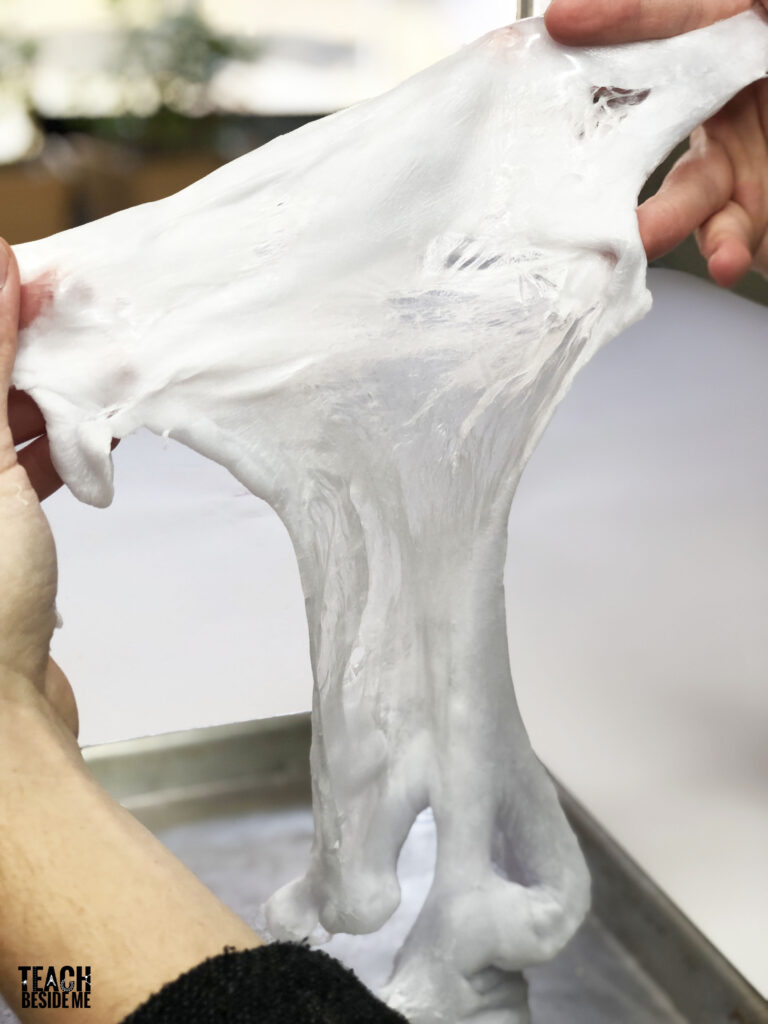
This melting snowman experiment uses styrofoam and pure acetone to create an instant “slime” reaction. Kids will watch styrofoam snowmen collapse, shrink, and dissolve right before their eyes—an incredible visual way to learn about polymers, solvents, and chemical reactions.
What Is the Melting Snowman Styrofoam Slime Experiment?
This dramatic winter science demonstration shows what happens when styrofoam (a type of polystyrene foam) meets a strong solvent like pure acetone. Although it looks like melting, the styrofoam is actually dissolving as its air pockets collapse and the polymer chains break apart.
Kids LOVE this experiment because the reaction is fast, surprising, and feels a bit magical!
(If you’re looking for floam-style slime made from styrofoam beads, check out my Floam Slime recipe here.)
Watch the Melting Snowman Experiment
How to Make Styrofoam Slime (Melting Snowman Experiment)
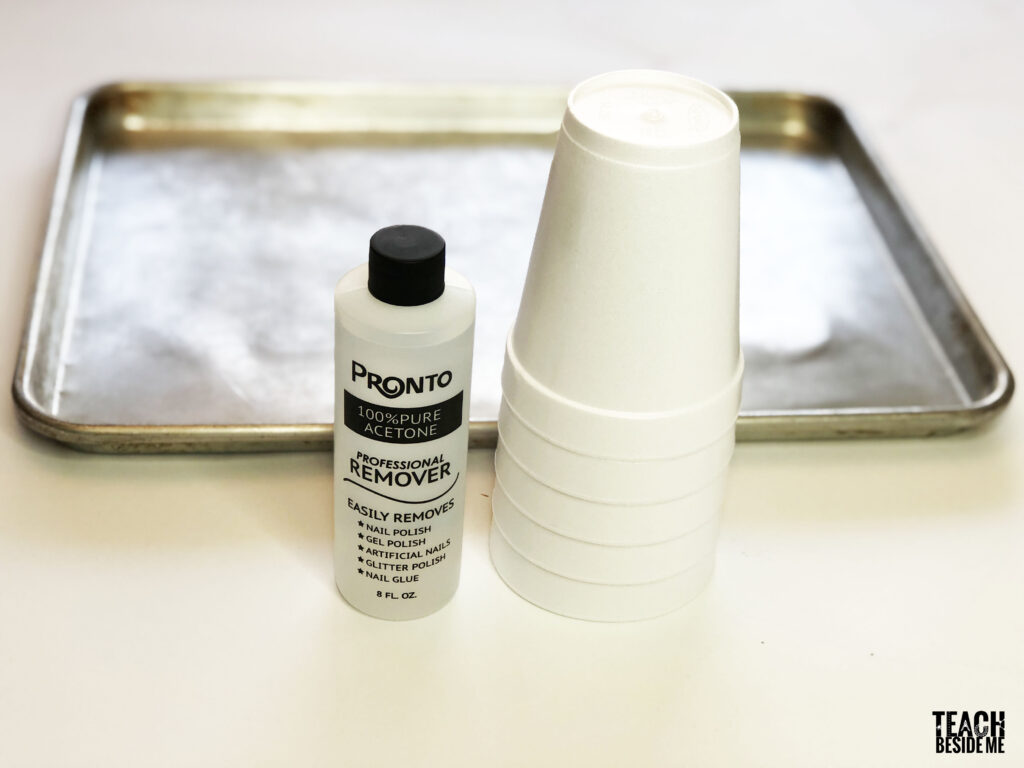
Supplies Needed
-
Styrofoam cups, peanuts, or beads
-
Pure acetone (NOT nail polish remover with additives)
-
Bowl, tray, or disposable pan
-
Gloves (recommended)
-
A marker (optional for drawing snowmen)
Instructions
-
Pour a small amount of pure acetone into your bowl or tray.
-
Draw snowman faces on your styrofoam cups if you want a winter theme—kids love this!
-
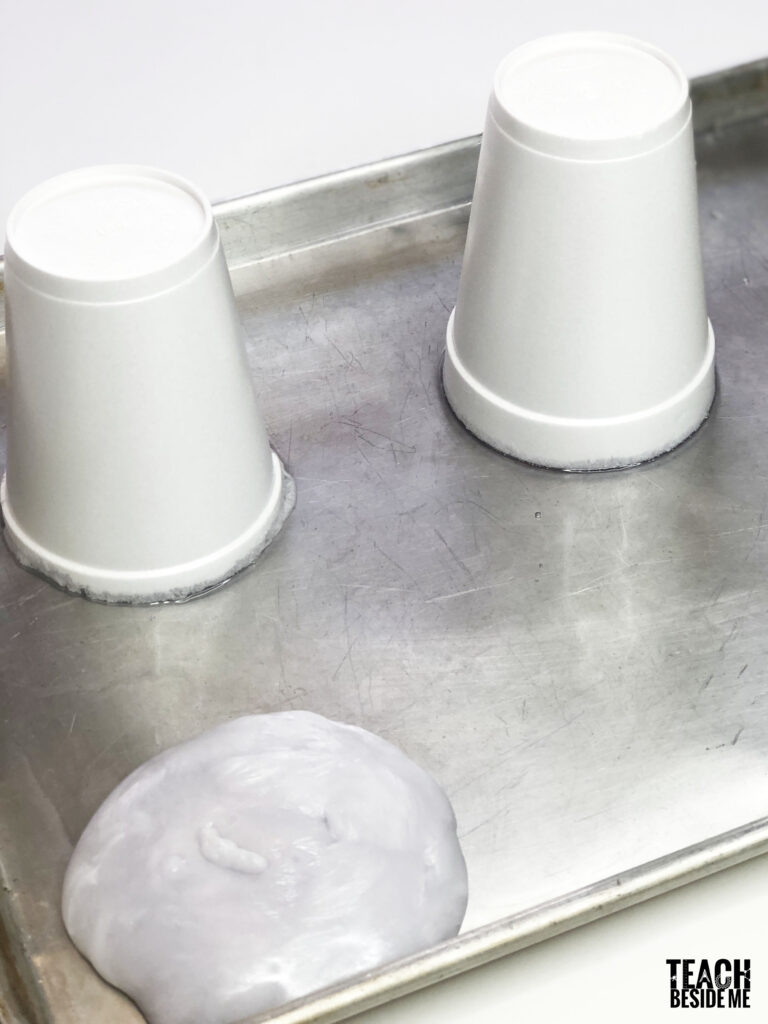
Place the styrofoam directly into the acetone or pour the acetone over the styrofoam.
-
Watch as the snowman quickly collapses and dissolves.
-
Gently move the styrofoam around to help it dissolve faster.
-
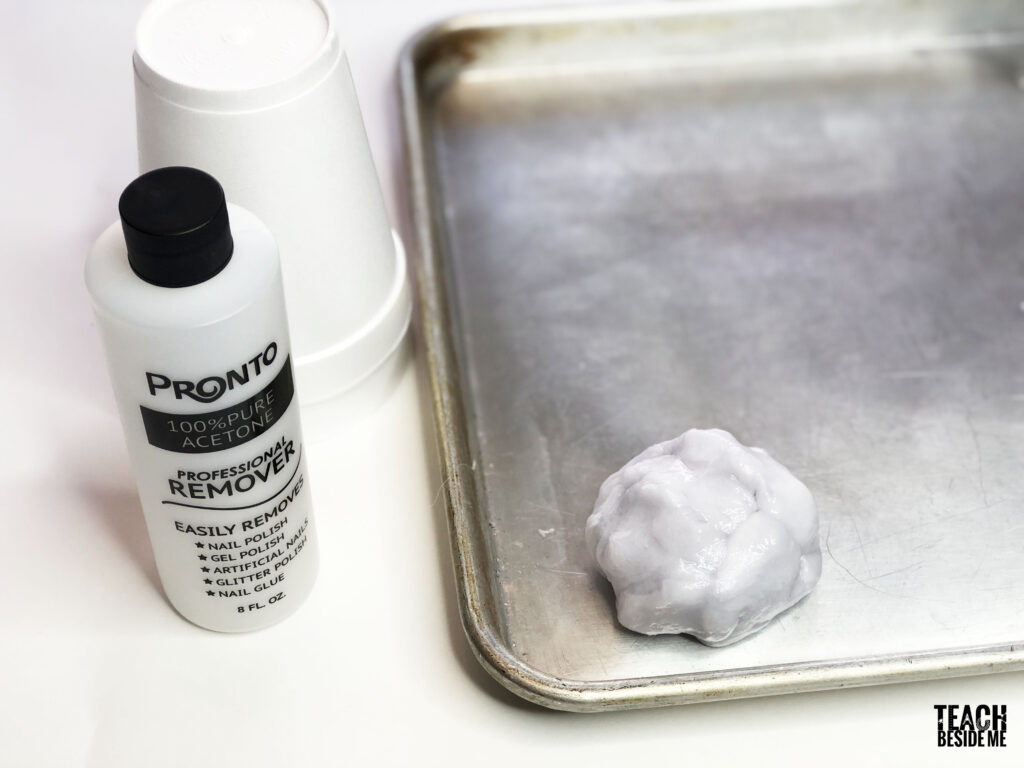
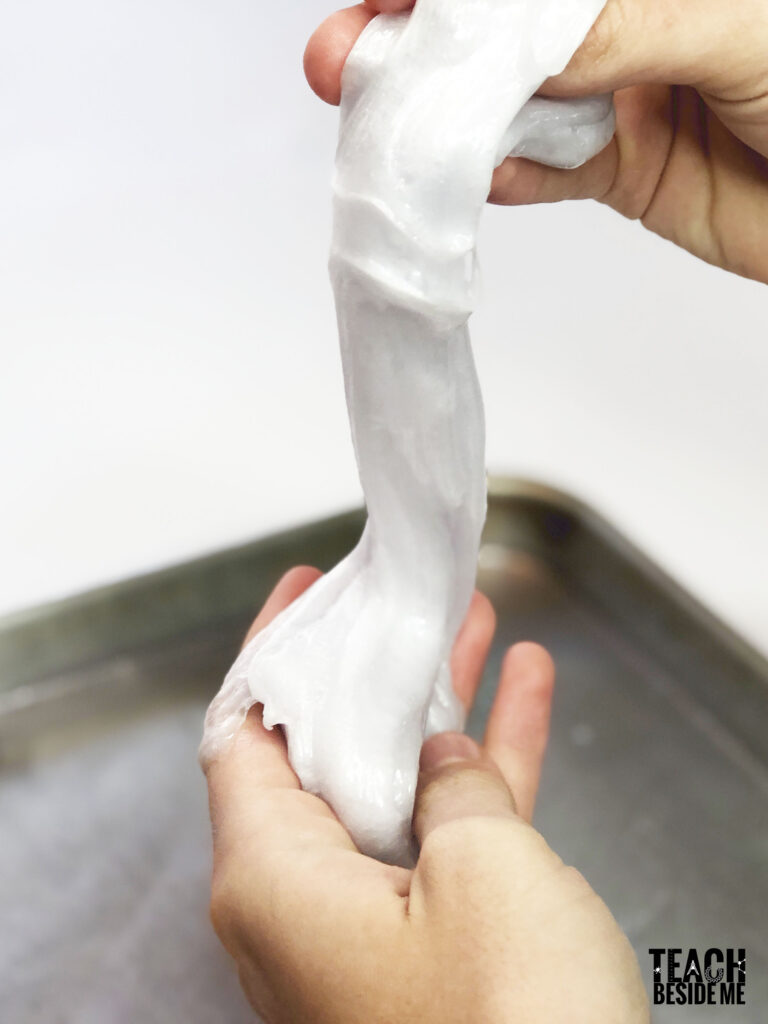
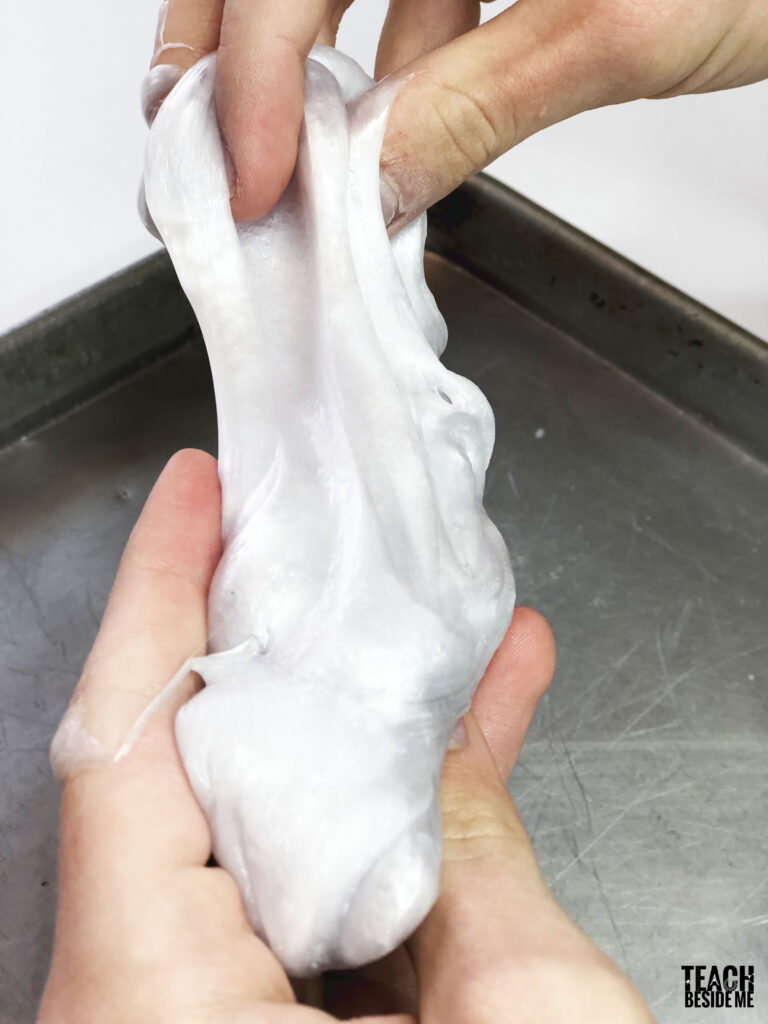
As the air escapes and the foam breaks down, a stretchy, gooey styrofoam slime forms.
-
You can shape the slime—once it dries, it hardens into a solid plastic form.

Safety Notes (Important!)
Because acetone is a strong solvent, take proper precautions:
-
Work outside or in a well-ventilated area.
-
Keep away from flames or heat sources (acetone is flammable).
-
Wear gloves to protect skin.
-
Keep the container stable and avoid splashing.
-
Supervise kids closely—this is an adult-led demonstration.
My kids didn’t use gloves and were fine at home, but in a school or group setting, gloves and closer supervision are a must.

Why Does Styrofoam “Melt” in Acetone? The Science Explained
Styrofoam is made of polystyrene, a polymer (a long chain of repeating molecules). The foam is created by injecting gasses into the polystyrene, making it 95% air and very lightweight.
When styrofoam touches acetone:
-
The acetone breaks apart the long polymer chains (or greatly weakens them).
-
The air pockets inside the foam collapse.
-
The styrofoam shrinks dramatically into a dense, gooey lump.
This is a physical reaction, not a chemical one—similar to dissolving salt in water—but it looks like magic because the volume changes so rapidly.
You’ll notice the reaction feels cold. That’s because dissolving the polymer requires energy, creating an endothermic effect.
Because acetone is such a strong solvent, avoid using plastic containers—it may dissolve them too!
Why Kids Love This Experiment
-
Big visual reaction
-
Instant results
-
Winter/snowman theme
-
Feels like a magic trick
-
Turns into slime they can touch
-
Strong sensory + STEM learning experience
It’s also a fantastic introduction to polymer science and solvents.

When it is placed into the acetone, the acetone splits up those long chains. The air is released from the foam and it shrinks down to practically nothing!
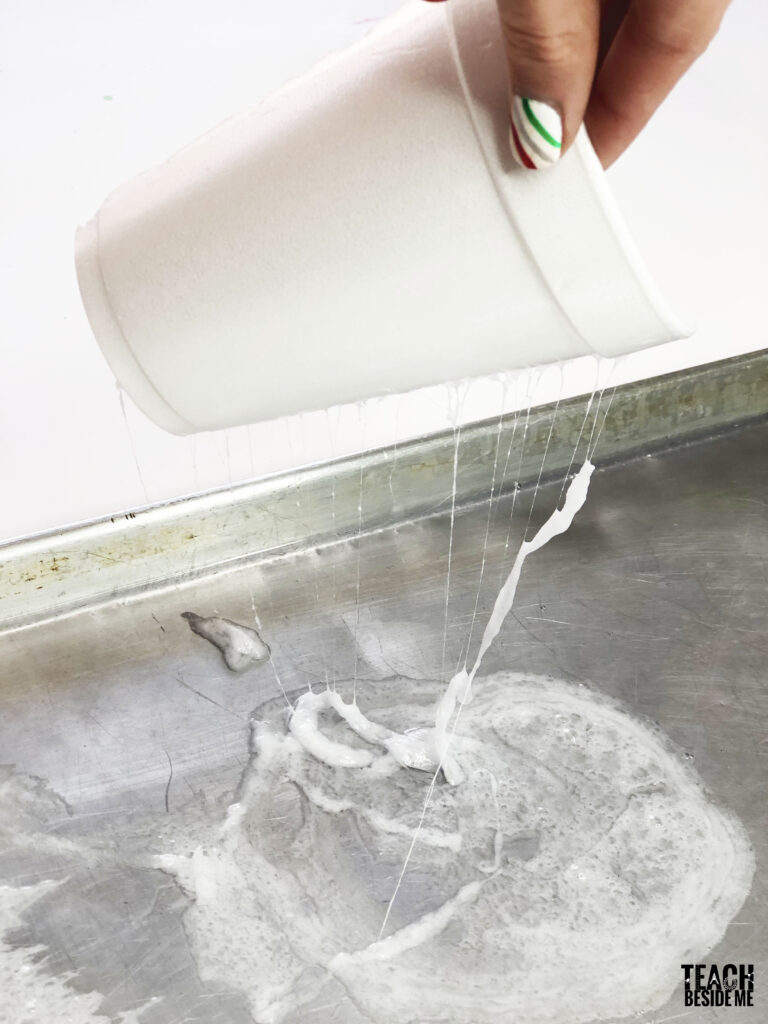
Acetone is most commonly found in nail polish remover, but you can also find it in other cleaning products. Acetone is an organic solvent. A solvent is something that dissolves another substance in it and creates a solution. Just like salt dissolves in water this is only a physical reaction. Although it seems more like a chemical reaction! Since acetone is a solvent, it is strong enough to dissolve or affect other plastics, so be careful what containers you use for this experiment.
Save it for later!

Try More Science Experiments
If you’re excited about dramatic reactions and seasonal STEM, try these next:
Best Slime Recipe
How to Make Floam (Styrofoam Slime)
Elephant Toothpaste Experiment
How to Make a Volcano
Baking Soda and Vinegar Rockets






Please don’t do this with students. This is a way to make homemade napalm. This is very dangerous!