
How to Make an Insect Hotel: A Fun Backyard STEM Project
This post may contain affiliate links.
Creating an insect hotel is a fantastic way to attract beneficial insects to your backyard while giving kids a hands-on STEM learning experience! These tiny structures provide shelter for insects like ladybugs, solitary bees, butterflies, and spiders, helping to support biodiversity in your garden. Plus, they’re fun and easy to make with just a few materials.
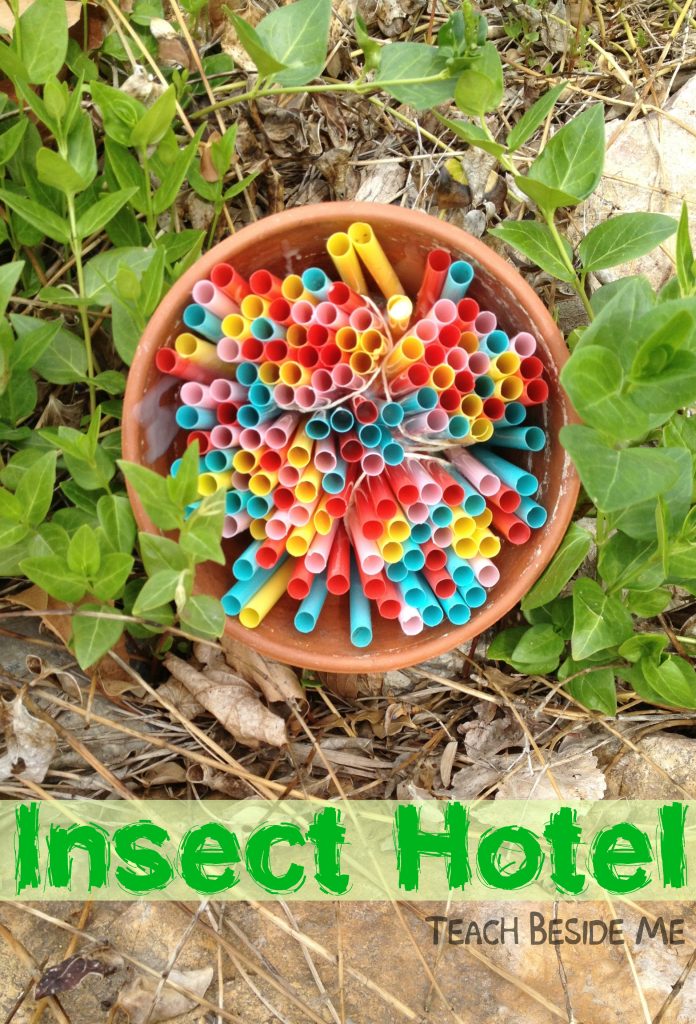
What is an Insect Hotel?
An insect hotel, or bug hotel is a man-made shelter designed to provide a safe space for insects to live, hide, or lay eggs. These small habitats mimic natural environments and help support pollinators and other beneficial insects.
Some insects that might visit your insect hotel include:
Insects That Might Come Live in a Bug House
- Solitary Bees
- Ladybugs
- Butterflies & Moths
- Spiders
- Ground Beetles
- Woodlice (Pill Bugs)
- Earwigs
- Lacewings
- Centipedes
How to Make a DIY Insect Hotel
Supplies Needed:
- Small clay pot
- Smoothie straws (paper or bamboo are best)
- Jar candle (or natural beeswax)
- Aluminum foil
- String or twine (optional for hanging)

Instructions to Make the Insect Hotel:
Step 1: Prepare the Clay Pot
Start with a small clay pot as the base of your insect hotel. Cover the drainage hole with a piece of foil to keep the wax from leaking out.
Step 2: Cut & Bundle the Straws
- Cut the smoothie straws in half.
- Tie them into small bundles using string or rubber bands. This helps keep them neatly packed together.

Step 3: Melt & Pour the Wax
- Melt the jar candle or beeswax in the microwave or over low heat on the stove.
- Carefully pour a small amount of melted wax into the bottom of the clay pot.
- Place the bundled straws upright into the wax while it’s still warm. The wax will harden as it cools, securing the straws in place.
Step 4: Find the Perfect Spot
- Place your insect hotel in a quiet, sheltered spot in your yard or garden.
- Ideal locations include under shrubs, near flower beds, or in a tree.
- If you’d like to hang it, thread twine through the top of the pot and secure it to a sturdy branch.
Step 5: Observe & Learn!
Once your DIY insect hotel is in place, be patient! It may take some time for insects to start exploring and making a home.
What We Observed in Our Bug Hotel
Our little hotel has been in the yard for about a month, and we’ve seen spiders, beetles, and other small insects moving in. My kids were hoping a colony of bees would take up residence, but I explained that solitary bees might visit, but they won’t create a full hive inside. It is more likely to have a nest of wasps move in!
This has been a great nature study project, encouraging observation skills and sparking curiosity about different insect species.

Tips for a Successful Insect Hotel
- Choose natural materials – I’ve since learned that paper or bamboo straws would work much better than plastic for insect houses. Makes complete sense!
- Keep it in a quiet area – Insects prefer undisturbed spots. Tuck it in hidden nooks and crannies in your yard.
- Try different locations – Some insects like shade, while others prefer sunny spots. Different creatures have different needs.
- Add variety – Use different materials like twigs, pinecones, bark, hay, dead wood, hollow stems, dry leaves, or hollow bamboo to attract a wider range of insects.
Building an insect hotel is a fun and easy way to teach kids about biodiversity, pollinators, and the importance of insects in nature. Plus, it encourages outdoor play and scientific observation! If you make an insect hotel, I’d love to hear about what creatures move in—leave a comment below!
Happy bug watching!







This is SO FUN! Thank you for sharing! My kids (7, 5, and 2) have been REALLY excited about all of the new insects and critters we have found over the last year after a move from the plains of Colorado to South Florida. We will definitely be trying this come fall 🙂
What a fun way to observe nature without harming it! This might even be helpful for kids who are afraid of bugs to learn more about them.
Such a great idea! My son is fascinated with insects at the moment, so we are going to try this!
Please do a little more research. While this is colorful and cute, you may have better results if you use paper straws or cut sticks (bamboo, phragmites, or elderberry) that have empty centers. The Leafcutter bees will appreciate your efforts even more! Also, these tubes need to be replaced every year to avoid fungus and parasites attacking your new friend. Thanks from the bees, and me.
Do not use plastic straws! They will sweat inside and harm the solitary bees using them as homes. Use paper straws or rolled up paper tubes, bamboo or anything but plastic straws. While our intentions are good, please do more research.