Rainy Day Science Experiment for Kids: Filtering and Measuring Rainfall
This post may contain affiliate links.
Looking for a simple, hands-on science activity to try with your kids the next time it rains? This rainy day science experiment is perfect for exploring how we can collect and filter rainwater, while also learning how to measure precipitation.
This activity is easy to set up with everyday materials and teaches important concepts in water filtration, weather science, and measurement skills—perfect for homeschool families, classrooms, or curious kids on a rainy afternoon.

What You’ll Learn
This experiment helps children:
-
Understand the water cycle and how rain forms
-
Observe how filtration can remove particles from water
-
Practice scientific measurement by collecting and recording rainfall amounts
-
Compare variables by using two different jar setups
Materials Needed
-
2 glass jars or clear containers (identical in size)
-
2 rubber bands
-
A ruler
-
Notebook and pencil for observations
-
A rainy day!
Step-by-Step Instructions
1. Set Up the Rain Catchers
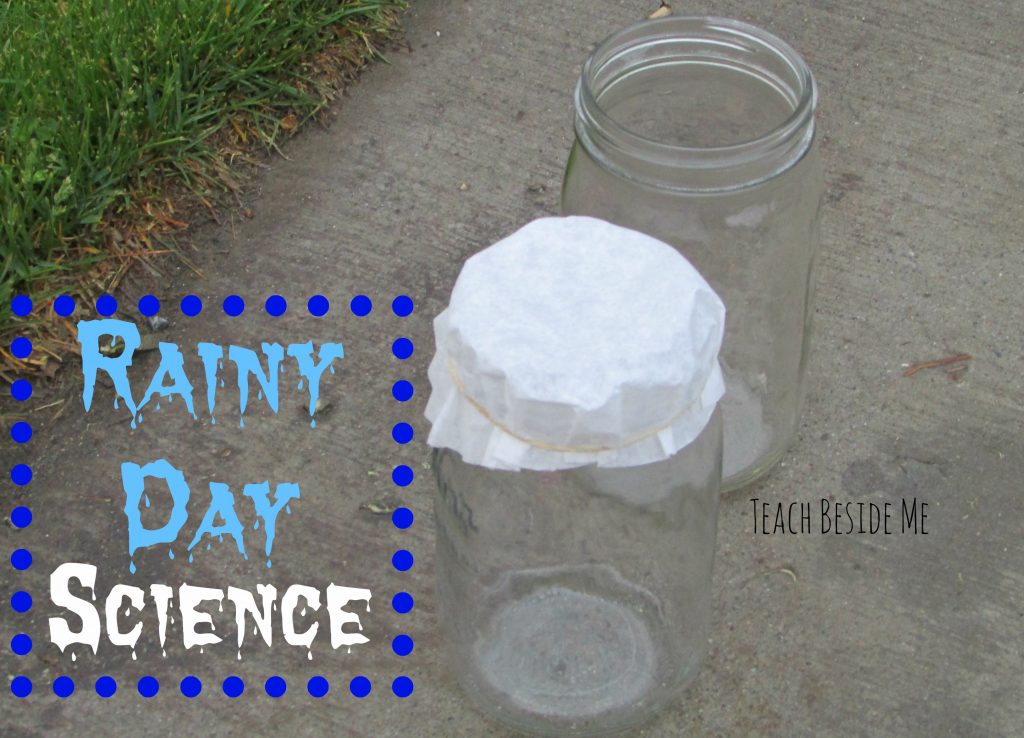
Take your two jars and place them outside in an open area. Cover one jar with a coffee filter and secure it tightly using a rubber band. Leave the second jar open to the rain with no filter.
Place both jars in similar conditions—ideally side-by-side—for a fair comparison. If you’d like to explore further, try setting up additional jars in different parts of your yard or porch to compare rainfall in different locations.
2. Wait for Rain
Leave the jars outside for at least a few hours, or overnight, to collect a measurable amount of rainwater. (Tip: This experiment works best during a steady rain, rather than a brief shower.)

3. Make Observations
After your jars have collected rain, bring them inside and compare:
-
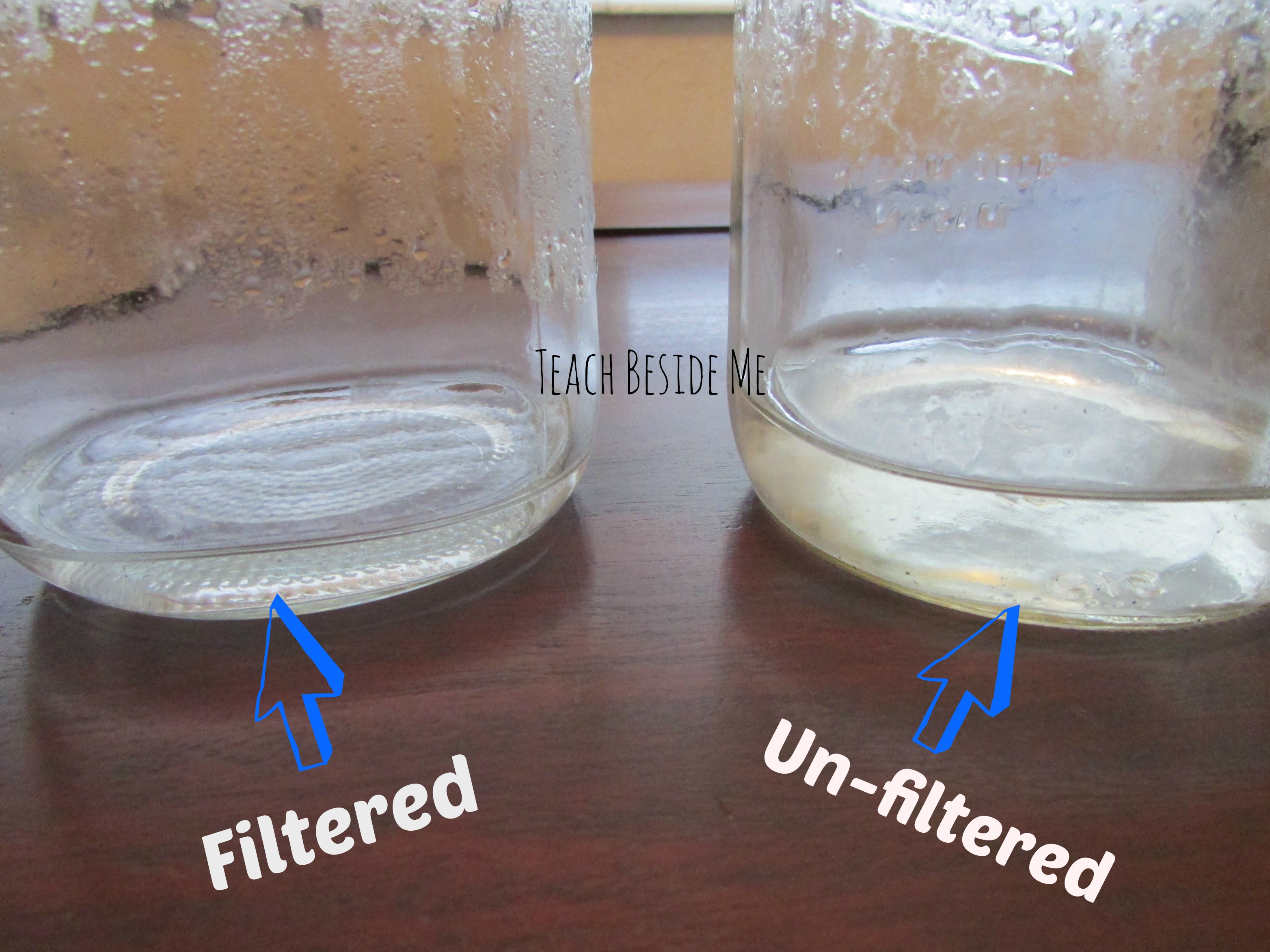
Water clarity: Is one sample clearer than the other?
-
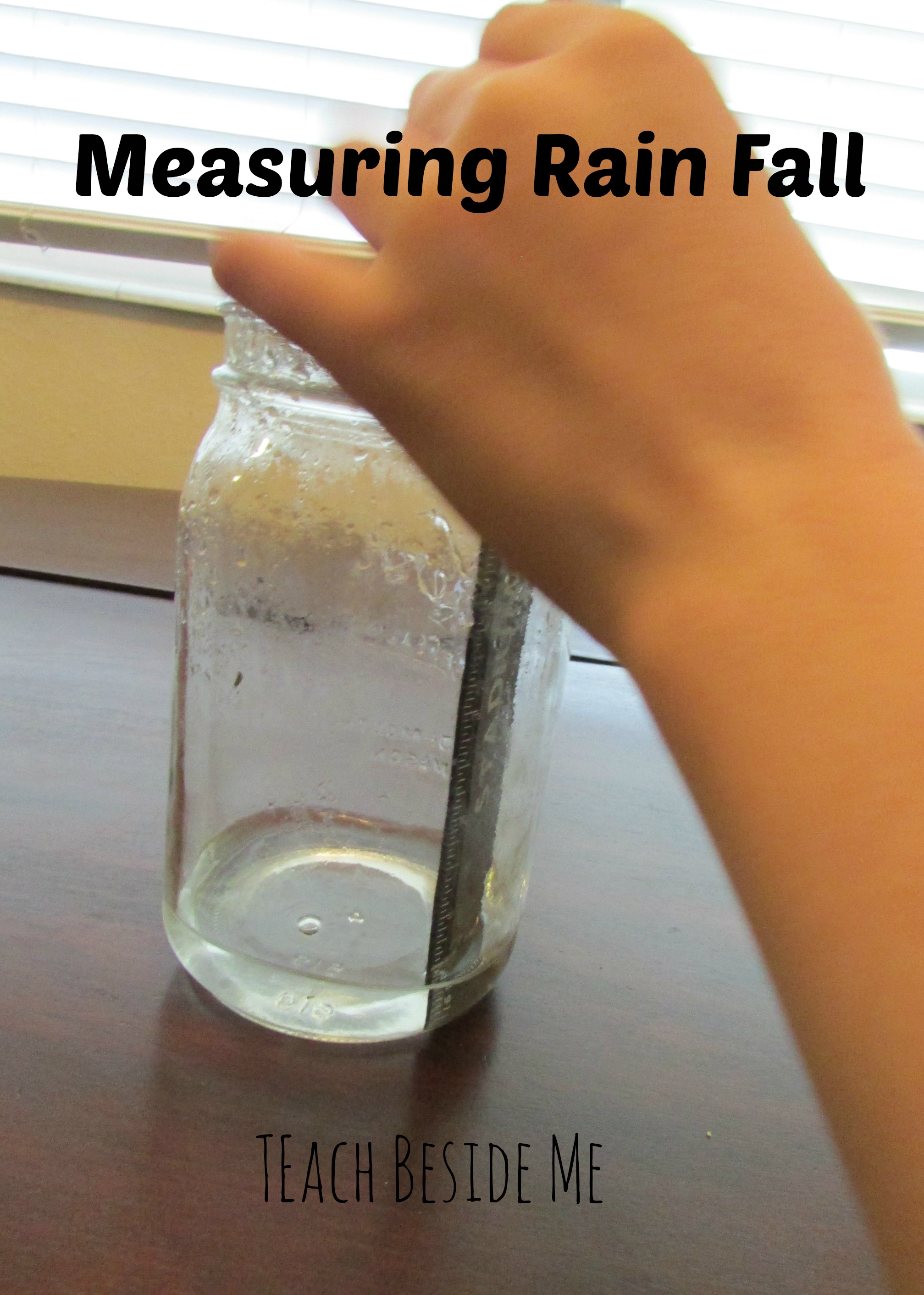
Water volume: Use a ruler to measure the depth of the water in each jar. Record the measurement in inches or centimeters.
-
Filter impact: Was less water collected in the filtered jar? Why might that be?
Encourage your kids to write down their observations and draw what they see.
What’s Happening? | The Science Behind It
-
Filtration: The coffee filter acts as a basic filter, catching dirt, debris, and even small particles as rain falls into the jar. This demonstrates how water filtration systems work on a simple level.
-
Precipitation Measurement: By collecting rain and measuring how much has accumulated, you’re practicing the same method meteorologists use to measure rainfall totals.
-
Evaporation and Absorption: If less water collected in the filtered jar, it could be due to water absorbing into the filter or bouncing off its surface. This opens a discussion on how design can impact water collection.
Extension Ideas
Make the most of your rainy day by trying one or more of these science extensions:
-
Test different materials as filters (e.g., paper towel, cloth, mesh screen). Which filters best?
-
Try boiling the filtered rainwater and discuss how distillation differs from filtration.
-
Start a weather journal and track rainfall amounts over time.
-
Explore the water cycle by drawing and labeling its stages: evaporation, condensation, precipitation, and collection.
Why Learn About Rain and Filtration?
Teaching kids about rainwater collection and filtration connects to real-world topics like:
-
Clean water access
-
Environmental science
-
Sustainability and survival skills
It also helps children build observation, comparison, and critical thinking skills.
This rainy day science experiment is a fantastic way to turn gray skies into bright learning moments. Your kids will love getting hands-on with weather and water, and you’ll love how simple it is to set up. Try it the next time the rain starts to fall, and turn your backyard into a mini weather lab!
See More Fun Science Activities:
Homemade Thermometer Science Experiment


This is a great idea! We have some rainy days coming this week. I wonder how it would work if the coffee filter was dipped inside when attached so it made more of a bowl shape to collect the water. I think I’ll try all three next to each other for added comparison. Thanks for the great idea!