
DIY Pitfall Insect Trap for Kids – Backyard Bug Science
This post may contain affiliate links.
Spring is the perfect time to get outside and explore the tiny creatures living all around us—and one of the easiest ways to study bugs up close is by building your own pitfall insect trap!
This simple backyard science activity is low-prep, uses recycled materials, and helps kids learn how scientists observe and collect ground-dwelling insects. It’s great for homeschool nature study, insect units, or outdoor STEM time.

What Is a Pitfall Insect Trap?
A pitfall trap is a tool used by entomologists to catch crawling insects like beetles, ants, spiders, and roly-polies. Insects fall into the trap and can’t climb back out due to the slippery sides. It’s safe, simple, and allows kids to observe insect variety, movement, and habitat preferences.

Inspired by Nature Exploration
This project was inspired by one of our favorite books, The Practical Naturalist by Audubon. It’s full of beautiful real-life images, animal facts, and hands-on projects for every ecosystem. It encouraged us to explore our own backyard more intentionally—and this was the first activity we tried from it.
We also plan to:
-
Keep a nature journal of bugs, birds, and plants
-
Attract butterflies to our garden
-
Try different types of bird feeders and record what birds we see
If you’re looking for ideas to connect science and outdoor play, this book is a treasure trove.

How to Make a Pitfall Insect Trap
You’ll Need:
-
1 empty 2-liter soda bottle (or a wide plastic cup)
-
Scissors
-
Small trowel or shovel
-
Leaves or natural materials for camouflage
-
Optional: ruler, notebook, magnifying glass

Instructions:
-
Cut the bottle about 1/3 of the way down from the top.
-
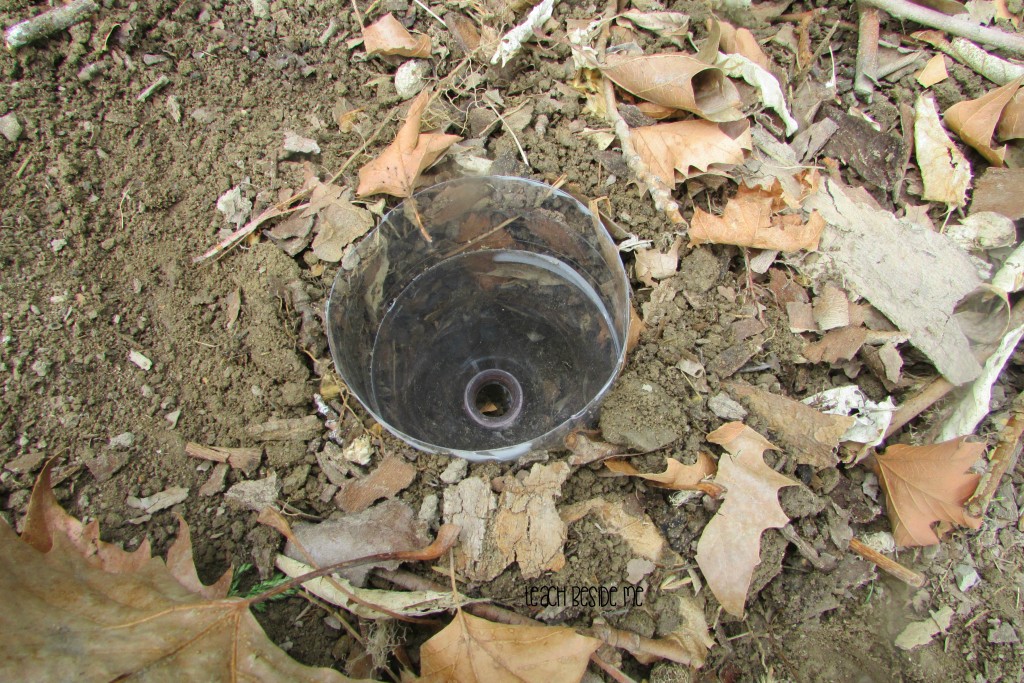
Invert the top part into the bottom like a funnel (lid removed).
-
Dig a hole in a quiet, shady area of your yard, garden, or forest floor.
-
Place the bottle in the hole so the rim is level with the ground.
-
Fill in around the bottle with soil so it stays firmly in place.
-
Camouflage the top with leaves or grass.
-
Leave the trap undisturbed for a day or two, then check what’s inside!
Important Tip: If it rains, water may collect inside the bottle. Empty it gently and reset the trap if needed.
Observation & Learning Ideas
Use this activity to prompt discussion and exploration:
-
What kinds of bugs did you catch?
-
Were they crawling or flying insects?
-
Did you catch more during the day or overnight?
-
Try setting traps in two different areas—shady vs. sunny—and compare results.
Extension Activities:
-
Draw each bug you find in a notebook
-
Research one species and add it to a nature journal
-
Create a simple bar graph of your bug findings
-
Use a magnifying glass to observe legs, wings, and antennae
Perfect for Nature Study
This DIY insect trap is great for:
-
Spring science lessons
-
Insect-themed unit studies
-
Backyard STEM exploration
-
Summer camp nature activities
It’s one of the easiest ways to spark curiosity and help kids appreciate the small wonders of nature—right in your own yard.
Want to pair this with another project? Try These!
How to Make an Insect Hotel: A Fun Backyard STEM Project
Summer Science: Build a Bug Viewer




so simple but cool!