
Interactive Notetaking with Animal and Plant Cell Diagrams
This post may contain affiliate links.

Looking for a hands-on, creative way to teach your kids about cells? These printable animal and plant cell diagrams are a perfect way to bring biology to life through interactive notebooking. Whether you’re teaching in a classroom, homeschool setting, or co-op group, this printable pack adds color, movement, and student engagement to your life science lessons.
Interactive notebooking is a great way for students to pause, reflect, and engage with their learning in a meaningful way—beyond just filling out worksheets. They get to cut, label, color, and build as they learn, creating a personalized science resource they’ll remember long after the lesson ends.

What Is Interactive Notetaking?
Interactive notebooking is a student-centered approach to learning that uses foldables, diagrams, graphic organizers, and movable parts. It encourages kids to not only record what they learn, but also interact with it. These notebooks become living documents that reflect their understanding, curiosity, and progress.
In this lesson, students will explore the parts of both animal and plant cells, labeling diagrams, assembling organelles, and recording definitions—all with printable pieces that they cut and glue into a science notebook or binder.
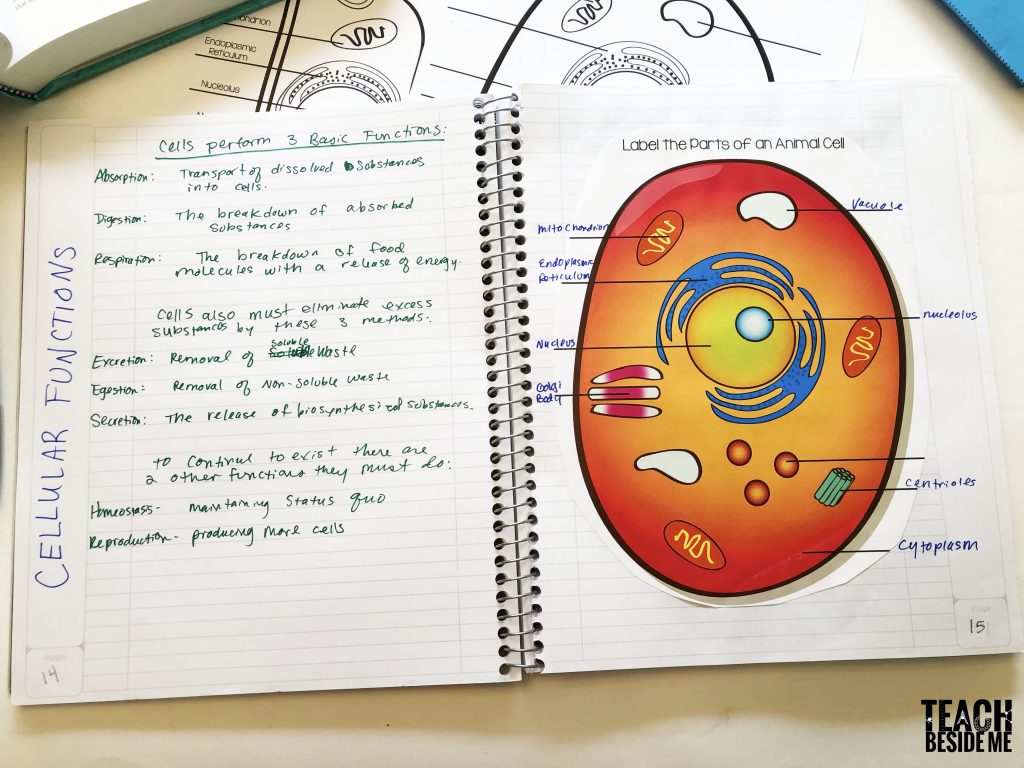
My son is studying biology this year in high school and I wanted to bring in some creativity to his lesson on cell types for the multicellular organism. Adding color, graphic organizers, and hands-on elements to a lesson always helps kids to remember it more! I created this cell diagram printable set to use in our lesson.
These are not your average science worksheets! They work great for middle school students, high school students, or even elementary school students learning about different types of cells. It can be used individually or even in small groups.
What’s Included in the Printable Set
This plant and animal cell diagram printable pack includes everything you need to create a rich, interactive biology notebook:
Animal Cell Worksheets:
-
Labeled and blank animal cell diagrams (color + black & white)
-
Foldable definition page
-
Cut-and-build organelles to reconstruct a full animal cell
-
Parts included: cell membrane, centriole, cytoplasm, endoplasmic reticulum, Golgi body, lysosome, mitochondrion, nucleolus, nucleus, vacuole
Plant Cell Worksheets:
-
Labeled and blank plant cell diagrams (color + black & white)
-
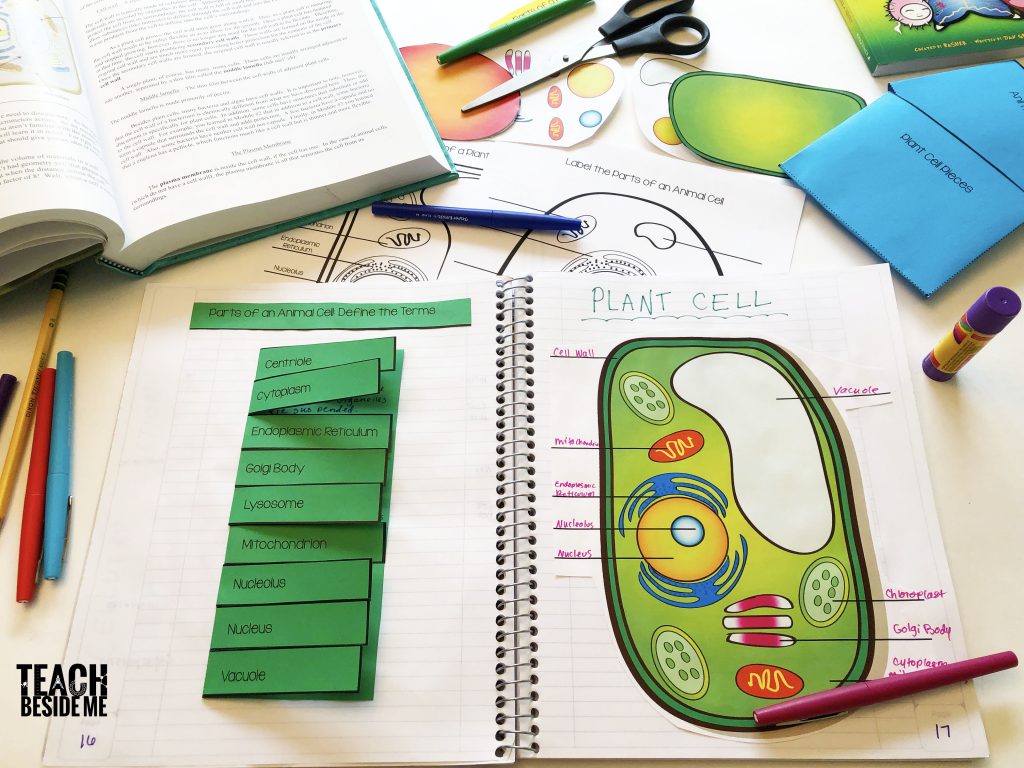
Foldable vocabulary definition page
-
Cut-and-build plant cell organelles
-
Parts included: cell wall, chloroplast, cytoplasm, endoplasmic reticulum, Golgi body, mitochondrion, nucleolus, nucleus, vacuole
Additional features:
-
Black-and-white diagrams double as coloring pages for younger learners
-
Foldables can become word bank pockets or matching games
-
Perfect for elementary through high school biology
No answer key is included, so students can use a biology textbook or online research to define terms in their own words.
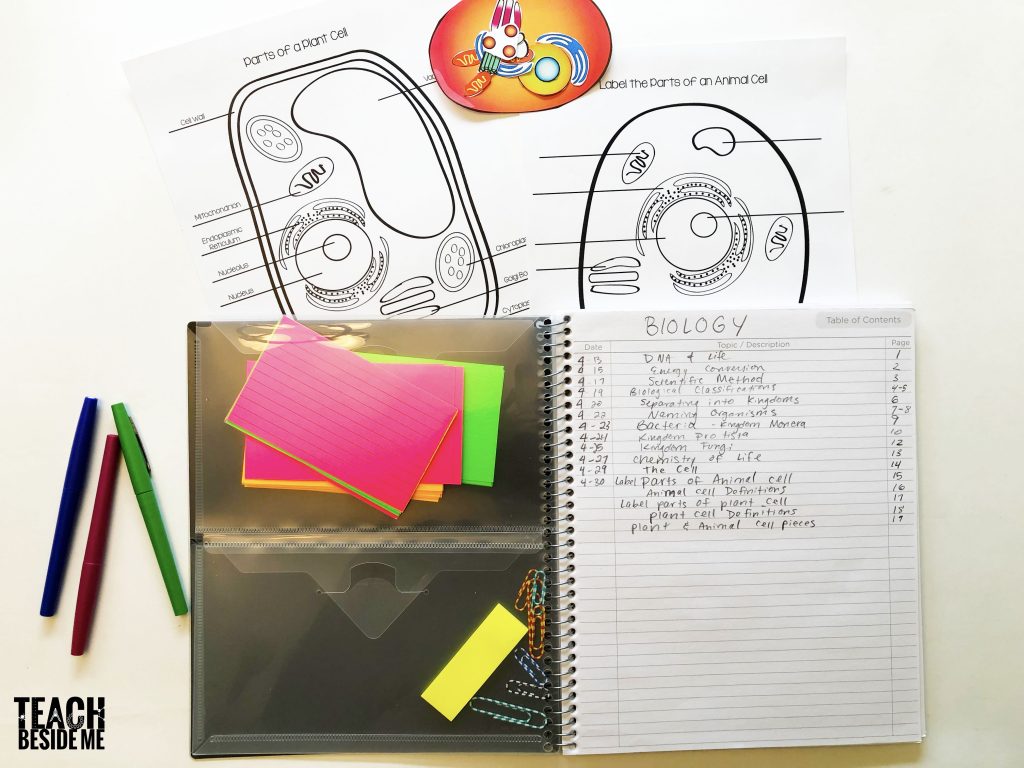
Interactive Notetaking with Cell Diagrams:


Visual Learners Thrive with Interactive Cell Lessons
When students color, cut, move, and label the parts of a cell, they retain the vocabulary and structure far better than through passive memorization. These printable diagrams provide a multi-sensory learning experience—especially helpful for visual, kinesthetic, and neurodiverse learners.
If you’re looking for a fun way to reinforce this lesson, be sure to check out our new:
Edible Animal Cell Model using a cantaloupe! This science snack turns cell structure into a healthy, creative activity that’s great for review or group learning.
Check out how we built our Interactive Notetaking lesson on animal cell diagrams and plant cell diagrams.
If you need an animal cell poster or a plant cell poster to demonstrate to your students, you can print these models larger to hang on your wall!
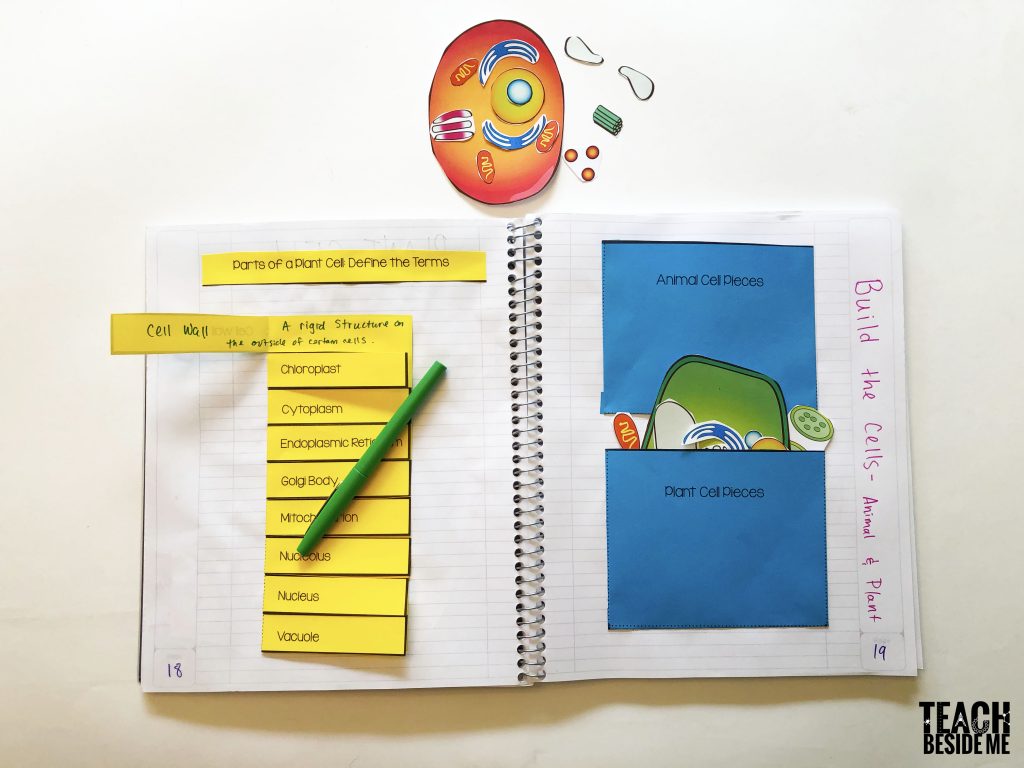
Download the Plant & Animal Cell Diagrams Now!
You can grab the Plant & Animal Cell Diagram Interactive Notebooking Set in my shop.
Use them in a homeschool unit, a classroom life science binder, or as a hands-on component in a STEM club or co-op setting.

See More Science Fun Activities:
The COOLEST Science Art Projects for Kids




Very cool, and pretty detailed for first graders!
This was not for my first grader. My middle & high-schoolers used this one! 🙂
What a great resource. My daughter loves to take fancy notes so she will love these!
Thanks. Did you finish the Apologia Biology class? Anything else you used and loved?