Dye-Free Candy & Snacks for Kids
This post may contain affiliate links.
Are you looking for ways to reduce or remove food dyes in your diet? I have a great big list of dye-free candy and snacks for kids.
Many families are choosing to reduce artificial food dyes due to concerns about hyperactivity, sensitivities, and overall health. The good news? There are now more dye-free options available than ever before.

Why Are More Families Choosing Dye-Free Foods?
Artificial food dyes have become a growing concern for many parents, healthcare professionals, and consumer advocacy groups. While research is still ongoing, several studies have suggested that some children may be sensitive to synthetic food dyes and could experience increased hyperactivity, attention difficulties, or behavioral changes after consuming them.
One of the most well-known studies on this topic is the Southampton Study, which found a possible connection between certain artificial food colorings and hyperactive behavior in some children. As a result, many countries have taken a closer look at food dye regulations, and some require warning labels on foods containing specific dyes.
In January 2025, the FDA announced that Red 3 would no longer be permitted in foods and ingested medications due to concerns raised by animal studies. Food manufacturers have been given time to reformulate products, leading many companies to explore natural coloring alternatives.
Beyond behavioral concerns, some individuals may experience sensitivities or allergic reactions to artificial dyes. Because responses can vary from person to person, many families choose to reduce or eliminate synthetic dyes as part of an overall effort to eat less processed foods.
Whether you’re avoiding dyes because of sensitivities, personal preference, or simply a desire to eat more natural foods, there are now more dye-free options available than ever before.
Learning About Synthetic Dyes
I have heard for a long time about how bad artificial dyes are, but am finally waking up to the harmful effects of them. Sometimes you have to be ready (and willing) to receive information. I have kids with ADHD. I have tried to reduce the dyes in our home because I read that food dyes can increase these symptoms.
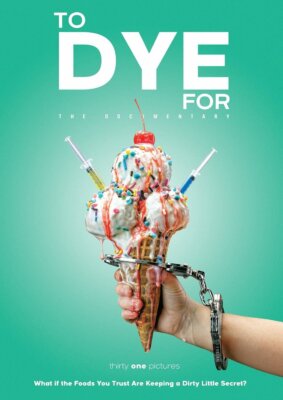
I just watched: To Dye For: The Documentary. It was eye opening and really helped me solidify my plans to remove artificial food dyes from our home and our diets. If you have kids with behavior issues, kids who throw regular tantrums or are defiant, you will definitely want to watch this. Even if you don’t this is important information. to know and understand.
Why Are Synthetic Food Dyes Bad For Us?
Key Concerns and Potential Risks From All Dyes:
-
Behavioral Effects:
Synthetic dyes have been linked to hyperactivity and attention issues, particularly in children. The “Southampton Study” found that certain dye mixes exacerbated these issues. -
Allergic Reactions:
Many dyes can cause allergic reactions or sensitivities, especially in individuals with existing allergies or sensitivities. -
Carcinogenic Potential:
Animal studies have raised concerns about the cancer risk of some dyes, although research in humans is still quite limited. -
Cumulative Effect:
Prolonged exposure to synthetic dyes may contribute to chronic health issues, especially when consumed regularly in processed foods.
How Synthetic Dyes are Made:
Artificial food dyes are typically made from petroleum-derived chemicals and are used to create bright, eye-catching colors in candies, cereals, drinks, baked goods, medications, and other processed foods. Today, many manufacturers are beginning to replace these dyes with colorings derived from fruits, vegetables, and spices such as beet juice, turmeric, spirulina, and annatto.
Common Artificial Food Dyes to Watch For
When reading ingredient labels, look for:
- Red 40
- Red 3
- Yellow 5
- Yellow 6
- Blue 1
- Blue 2
- Green 3
Manufacturers may list these as:
- FD&C Red No. 40
- FD&C Yellow No. 5
- FD&C Blue No. 1
Learning to recognize these names can make grocery shopping much easier.
What Are Companies Using Instead of Artificial Food Dyes?
Many manufacturers are replacing synthetic food dyes with naturally derived colorings such as:
- Beet juice (red and pink)
- Turmeric (yellow)
- Annatto (orange)
- Spirulina (blue and green)
- Purple sweet potato extract
- Carrot juice concentrate
- Fruit and vegetable concentrates
- Butterfly pea flower
These ingredients may create softer colors than traditional dyes, but many families prefer them because they come from natural food sources.
There are natural food coloring options available, too. We have used some and they work great! If you are baking your own treats, you can still color them to make them festive for birthdays and other events.
Here are some natural food coloring options available:
It will be harder to get bright vibrant colors like we are used to with synthetic dye, but in reality our health matters more than appearances!
You can get dye-free sprinkles, too!
Dye-Free Snack Alternatives
Often it is easy to spot food dyes in foods. You see fruity cereals and know that they are full of dye, artificial ingredients and preservatives. But many foods have hidden dyes that you will not know about unless you read the ingredient list.
Foods like butter, salad dressings, spice mixes, fruit-flavored applesauces, medicines, vitamins, and even pickles may surprise you with their list of ingredients. The simple truth is, if you are serious about giving up food dyes, you will have to read ingredients regularly.
Look for trusted brands like Trader Joe’s, Annie’s, EnjoyLife, MadeGood, Bare Snacks, That’s It, Simple Mills, Kind, Lara Bar, Cliff Bar. Support companies who are listening and keeping these chemicals out.
The easiest way to give up these substances is by eating whole foods that are minimally processed and by making your own foods. Instead of boxed and packaged snacks, serve your family healthier options such as:
- Whole grains, whole wheat breads, quinoa, brown rice, oats (but watch out for the prepackaged ones)
- Fresh fruits and vegetables: such as carrots, celery, cucumbers, apples, oranges bananas, grapes, berries. Dried fruits and fruit leathers are good options, too.
- Nuts and seeds such as sunflower seeds, walnuts, peanuts, almonds, cashews, trail mix without the chocolate candy pieces
- Salty snacks such as pretzels or crackers (but read the ingredient lists), rice cakes, homemade popcorn (not the processed kind)
- Dairy such as cheese, and yogurt (but some have dyes, so read labels
- Granola bars- can have lots of sugar and artificial ingredients, so read labels!
- Lean proteins such as seafood, chicken and eggs
Ultimate Dye-Free Candy List
Now I know most of the following dye-free candies are not healthy. Just taking out dye does not make it immediately healthy! But, sometimes kids still really want or need a treat! Reducing the amount of toxins in a food helps.
The following candies do not use synthetic dyes. Any of them are still full of plenty of other unhealthy ingredients, so keep that in mind and still try to consume them sparingly! (Processed sugar is a whole other post. . .)
Dye-Free Gummy Candy
- Albanese True to Fruit Gummy Bears
- Black Forest Organic Gummy Bears
- YumEarth Organic Gummies
- Haribo Unicorn Gummies
- SmartSweets Gummies
- Starburst Goodies Gummies
- Joyride Gummies
- Annie’s Fruit Snacks
Dye-Free Sour Candy
- Joy Ride Sour Strips
- YumEarth Sour Giggles
- Sweet Tart Ropes (not regular Sweet Tarts)
- SmartSweets Sourmelon Bites
- Tic Tac Chewy Sour
- Try these Homemade Pixie Sticks!
Dye-Free Fruit Chews
- Hi-Chew
- Mamba Fruit Chews
- Fruit Mentos
- Heaven & Earth Lil Taffy
- Jelly Bean Planet Jelly Beans
- Red VInes Madę Simple
Dye-Free Chocolate Candy
- UNREAL Chocolate Gems
- UNREAL Peanut Gems
- UNREAL Peanut Butter Cups
- Justin’s Peanut Butter Cups
- Trader Joe’s Candy Coated Chocolates
Dye-Free Lollipops & Hard Candy
Ingredient formulations can change, so always check the package label before purchasing.
Dye-Free Snacks for Kids
I listed lots of healthy options up above for healthy and natural snacks. Here are a few pre-packaged options. These are healthy and delicious snack options.
- Annie’s Snack Packs
- Applesauce
- Babybel Cheese
- Bare Baked Apple Chips
- Bear Real Fruit Rolls
- Cheez-Its
- Clif Kids Bars
- Jonny Pops (popsicles)
- DeeBee’s Organics Superfruit Popsicles
- Fritos
- Fruit Snacks: Betty Crocker, Motts, Black Forest, Target brand, Costco organic ones, Annie’s, and Yum Earth are all dye-free
- GoGo Squeeze
- Gold Fish Crackers
- Kind Bars
- MadeGood Granola Snack Packs
- Magic Spoon Cereal
- Nature’s Bakery Fig Bars
- Nature’s Garden Probiotic Yoggies
- Pirate’s Booty Cheese Puffs
- Pretzels
- Pure Organics Layered Fruit Bars
- Ritz Crackers
- SkinnyPop Popcorn
- Simply Organic Chip Packs
- Smartfood White Cheddar Popcorn
- Stoneyfield Organics yogurts
- Sunchips
- That’s It Fruit Bars & Fruit Chips
- Tortilla chips
- Veggie Straws
- Wheat Thins
- Wiggles Fruit Gels
- You Love Fruit Fruit snacks
Dye-Free Popsicles & Frozen Treats
- Jonny Pops
- DeeBee’s Organics Superfruit Pops
- Whole Fruit Fruit Bars
- Outshine Fruit Bars (check flavors, some vary)
- Chloe’s Fruit Pops
- Homemade fruit popsicles made with blended fruit and juice
Dye-Free Drinks:
- Capri Sun
- Propel
- OliPop
- 100% Juice
- True Lemon
Dye Free Vitamins for Kids:
- Gruns– This is what we use and love!
- Smarty Pants
- Llama Naturals
- Olly
- Mary Ruth’s
- Renzo’s
- First Day
- Nordic Naturals
There are so many more options, but these are just a few to help you as you start your dye-free journey!
Frequently Asked Questions
Are artificial food dyes banned in the United States?
Some dyes remain legal in the United States, though regulations continue to evolve. In 2025, Red 3 was banned from foods and ingested medications, with manufacturers given time to reformulate products.
Are natural food dyes healthier?
Natural food dyes are typically made from fruits, vegetables, and spices rather than petroleum-derived ingredients. Many families prefer them for this reason.
Can food dyes affect ADHD symptoms?
Some research suggests that certain children may be sensitive to artificial food dyes and may experience increased hyperactivity or behavioral symptoms after consuming them. Responses vary from child to child.
See More Nutrition Related Content:
Healthy Habits Challenge for Families
Feed Me: Healthy Kids Nutrition Game
Kids Cooking Lesson: Peanut Butter Balls