
Writing Curriculum for Homeschoolers: Making Writing Fun for Kids
This post may contain affiliate links.
Teaching writing can feel overwhelming for many homeschool parents. How do you help kids learn grammar, spelling, sentence structure, and storytelling skills without making writing feel stressful or frustrating?
Some families prefer a natural approach to writing instruction while others enjoy using a structured writing curriculum to guide the process. Personally, I love having a flexible structure in our homeschool. I like using a curriculum as a helpful guide while still allowing plenty of creativity and freedom.
Over the years, I have found that the best writing curriculum for kids is one that makes writing feel approachable, engaging, and meaningful instead of overwhelming.
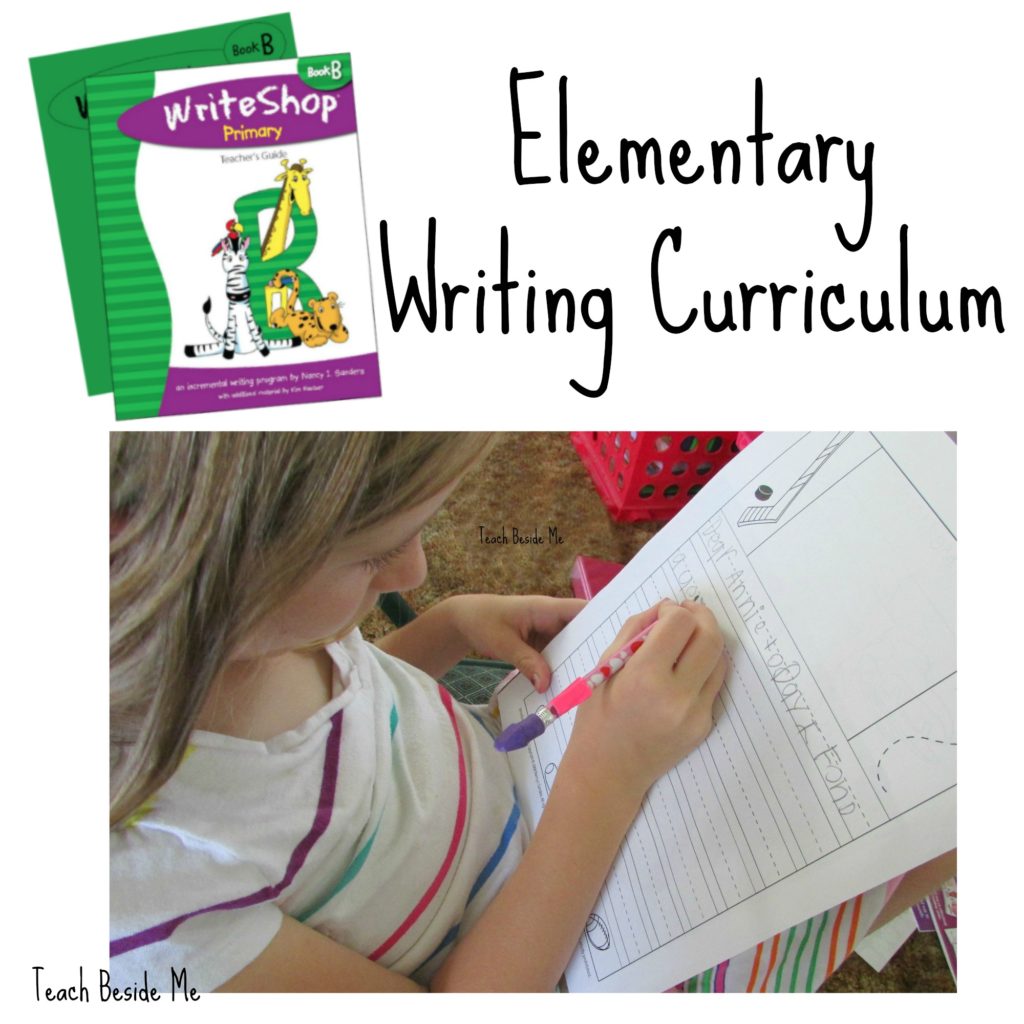
One homeschool writing curriculum we have enjoyed using is WriteShop Primary, a hands-on writing program designed for elementary students. It uses stories, games, brainstorming, and creative activities to teach the writing process in a gentle and encouraging way.
Most importantly, it helped my daughter begin to truly enjoy writing.
Why Writing Instruction Matters
Writing is one of the most important communication skills children will learn.
Strong writing skills help kids:
- organize their thoughts
- express ideas clearly
- improve reading comprehension
- strengthen grammar skills
- build confidence
- develop creativity
- communicate effectively
Many children struggle with writing at first because they are trying to manage so many skills at once:
- handwriting
- spelling
- punctuation
- grammar
- sentence structure
- idea generation
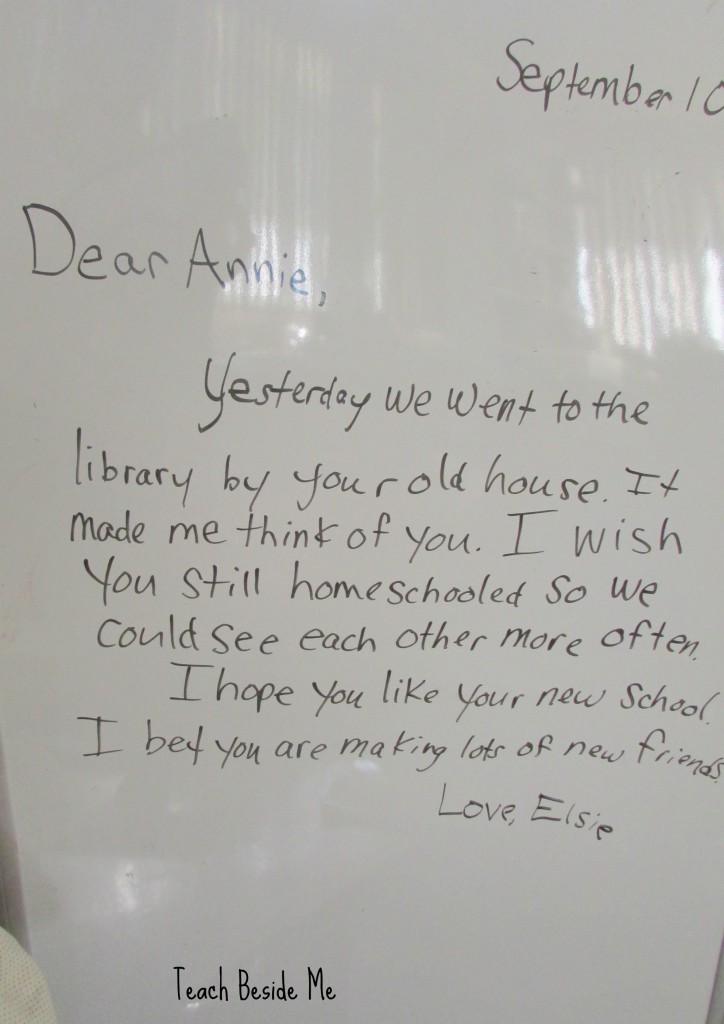
This is an example of a letter we did together. She told me the ideas and I wrote them for her on the dry erase board. Isn’t that a sweet letter? That was to her cousin.
What Makes a Good Writing Curriculum?
Not every writing curriculum works well for every child.
Some kids thrive with workbook-style writing assignments while others need a much more hands-on and creative approach.
When choosing a homeschool writing curriculum, I look for programs that include:
- gentle structure
- creativity
- brainstorming activities
- guided writing instruction
- age-appropriate expectations
- flexibility for different learners
- engaging topics
- opportunities for feedback and revision
Young children especially benefit from writing instruction that feels interactive and encouraging rather than overly academic.
The Writing Process for Kids
One of the most valuable things children can learn is that good writing happens in stages.
Strong writing instruction teaches kids how to move step-by-step through the writing process instead of expecting perfection on the first try.
The writing process often includes:
Brainstorming
Children generate ideas and discuss topics before writing.
Drafting
Kids begin putting ideas into sentences and paragraphs.
Revising
Students improve organization, details, and clarity.
Editing
Children practice grammar, punctuation, spelling, and sentence corrections.
Publishing
Kids share their final writing through stories, letters, presentations, or projects.
Teaching the writing process helps children understand that writing is something we improve over time rather than something that has to be perfect immediately.
Types of Writing Kids Should Practice
Children benefit from experiencing many different types of writing throughout elementary school.
Some helpful writing assignments include:
- personal narratives
- stories
- letters
- descriptive writing
- opinion writing
- informational writing
- journaling
- creative storytelling
Using a variety of writing topics helps keep kids engaged and allows different learners to discover the types of writing they enjoy most.
One thing that has worked especially well in our homeschool is using themed writing prompts to spark creativity and make writing feel more fun and approachable.
Some of My Writing Prompts:
- Printable New Year Writing Prompts for Kids
- 88 Back to School Writing Prompts for the First Week
- Choose Your Adventure Writing Prompts
- Spring Writing Prompts for Kids
Making Writing Fun for Kids
Writing instruction does not have to feel dry or intimidating.
Some of the best writing growth happens when kids are excited to share their ideas.
Here are a few ways we make writing more enjoyable in our homeschool:
- oral storytelling before writing
- dictation for reluctant writers
- dry erase board brainstorming
- themed writing prompts
- letter writing to family members
- silly story starters
- illustrated stories
- creative journals
We also spend time strengthening handwriting skills in playful ways since handwriting and writing confidence are often closely connected for young learners.
Check out my 40 Fun Ways to Make Handwriting Practice Engaging for Kids
Using WriteShop Primary in Our Homeschool
WriteShop Primary is a homeschool writing curriculum designed for grades K–3.
The curriculum uses:
- stories
- crafts
- games
- brainstorming activities
- guided writing practice
to help children learn writing skills in an engaging and hands-on way.
The program includes three levels:
- Level A
- Level B
- Level C
We started with Level B because my daughter was already reading confidently and beginning to write independently.
One thing I appreciated was the flexibility. The curriculum offers different pacing options depending on how often you want to teach writing lessons during the week.
We chose to move slowly and complete lessons twice each week, which worked perfectly for our homeschool rhythm.
Guided Writing for Young Learners
One of the most helpful parts of the curriculum was the guided writing practice.
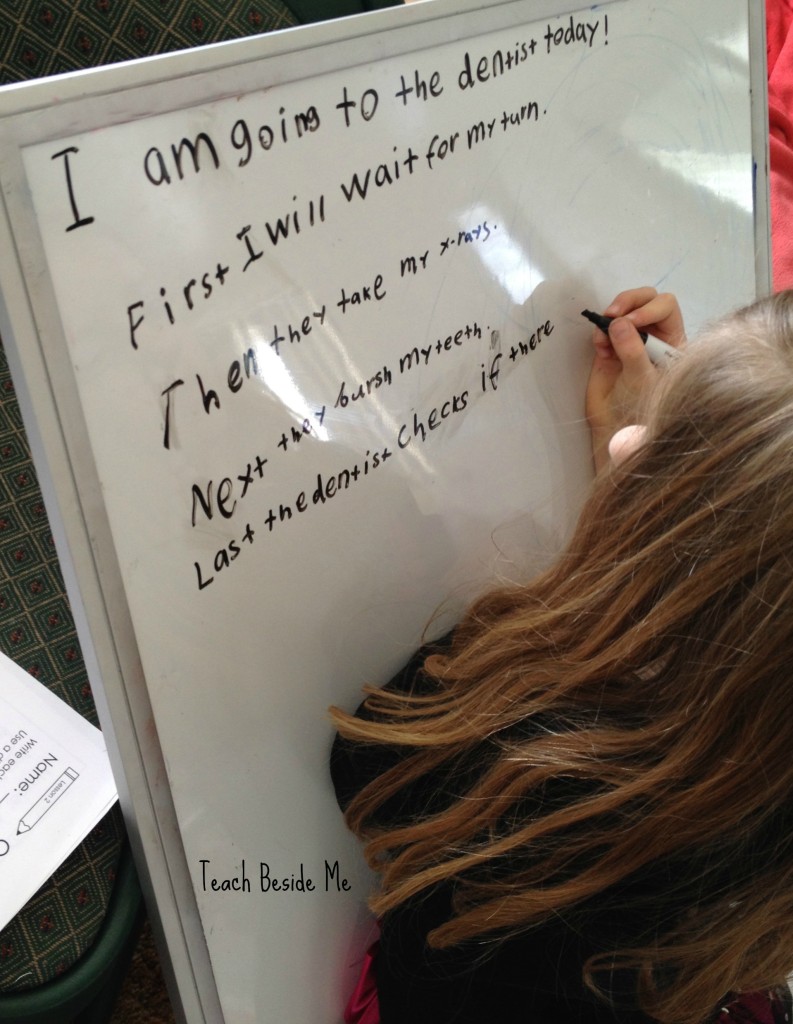
At first, my daughter would tell me her ideas while I modeled the writing process for her. We brainstormed together and talked through sentence ideas before writing anything down.
Over time, she gradually became more confident and wanted to do more of the writing herself.
This gentle modeling process helped her:
- build confidence
- improve spelling
- strengthen grammar
- organize ideas
- develop writing fluency
One of my favorite memories was helping her write sweet letters to family members. She became genuinely excited about writing because it connected to real communication and meaningful relationships.
What a Typical Writing Lesson Looked Like
The lessons generally followed a simple structure:
Worksheets
Introduce the lesson theme and writing focus.
Prewriting Activities
Warm-up activities, stories, and discussions prepare children for writing.
Brainstorming
Generate ideas together before writing begins.
Writing Project
Create stories, letters, or writing assignments.
Editing and Revising
Practice improving grammar, spelling, and sentence structure.
Publishing
Share the finished writing with others.
This gradual approach helps young writers feel successful instead of overwhelmed.
Tips for Reluctant Writers
Many kids feel nervous about writing at first.
If your child struggles with writing, try:
- shorter writing sessions
- oral storytelling first
- collaborative writing
- fun writing topics
- drawing before writing
- allowing invented spelling in early stages
- offering positive feedback often
Children usually become more willing writers when they feel safe making mistakes and experimenting with ideas.
Homeschool Writing Tips by Grade Level
Kindergarten
Focus on:
- storytelling
- drawing pictures
- letter formation
- simple sentences
- dictation
Early Elementary
Practice:
- sentence building
- handwriting
- descriptive writing
- personal narratives
- simple grammar skills
Upper Elementary
Begin introducing:
- paragraph structure
- editing skills
- revision
- opinion writing
- research topics
- more independent writing assignments
Writing instruction should grow gradually with the child’s development and confidence level.
Feedback and Encouragement Matter
Positive feedback plays a huge role in helping children become confident writers.
Young learners need encouragement while they develop writing skills.
Instead of focusing only on mistakes, try noticing:
- creative ideas
- effort
- improvement
- strong vocabulary
- storytelling details
Simple rubrics and gentle editing can help children improve without feeling discouraged.
The goal is to help kids view writing as communication and self-expression rather than something to fear.
Homeschool moms may also enjoy creating a simple writing center in your homeschool space stocked with:
- paper
- pencils
- markers
- journals
- story starters
- word lists
- writing prompts
Having writing materials easily available often encourages kids to write more naturally throughout the day.
Every child learns differently, and there is no single perfect writing curriculum for every homeschool family.
The best writing curriculum is one that:
- supports your child’s learning style
- encourages creativity
- builds confidence gradually
- provides gentle structure
- makes writing feel meaningful and enjoyable
For our family, WriteShop Primary helped make writing instruction feel positive, interactive, and approachable.
Most importantly, it helped nurture a genuine love of writing in my daughter — and that is one of the greatest goals of all.


Karyn: I loved reading how WriteShop has worked for you and your daughter. Thanks for sharing your experience–and for taking time to review Book B.
Thank YOU for the opportunity!
I would like WriteShop Junior.
Looks like a great program. I would like the WriteShop Primary. Thanks you for the chance to win
Thanks for the review and chance to win. I would want the primary level.
Thank you for sharing about WriteShop and for the opportunity.
I would like the WriteShop Junior. Thank you.
they look like some really fantastic tools for teaching writing!
I would love the primary resources!
I would love the Primary Book A set.
I think we would want level B. I’m between that and C. We haven’t done as much writing instruction as I’d like. This would be a huge blessing to our family.