Water Pump Sprinkler STEM Activity for Kids
This post may contain affiliate links.
Looking for a simple summer science activity that will keep kids cool and teach real STEM concepts? This homemade water pump sprinkler is one of our favorite backyard science experiments for hot summer days!
Kids can build this simple mini sprinkler in just a few minutes using a straw and wooden skewer, then spin it to spray water everywhere like a tiny homemade sprinkler. It’s the perfect combination of science, engineering, and outdoor summer fun.

Why Kids Love This Water Science Activity
This mini water pump sprinkler is:
- Easy to make
- Inexpensive
- Great for outdoor STEM play
- Perfect for summer science camp
- A fun introduction to force and motion
Plus, kids love experimenting with different spinning speeds and watching the water spray in all directions!
Supplies Needed
- Wooden skewers (1 per child)
- Plastic drinking straws (non-bendy straws work best)
- Masking tape or painter’s tape
- Cup or bucket of water
- Extra water for refills
How to Make the Mini Water Pump Sprinkler
Step 1: Insert the Skewer
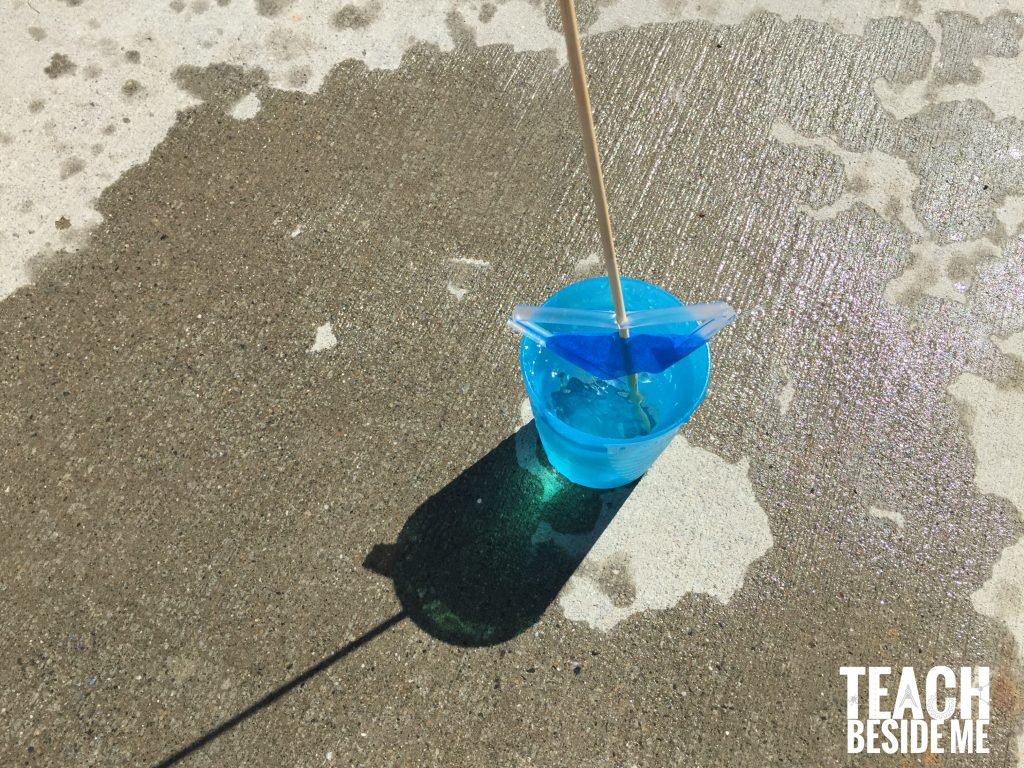
Push the pointed end of the wooden skewer through the center of the straw. Position the straw near the bottom third of the skewer.
Step 2: Cut the Straw
About 1½ inches from the center on both sides, carefully cut halfway through one side of the straw, leaving the opposite side attached.
Step 3: Bend the Ends
Fold both sides downward to create angled openings that form a triangle shape.
Step 4: Tape It Securely
Wrap tape around the center where the straw meets the skewer to hold everything in place. Be careful not to cover the openings in the straw.
Step 5: Spin and Spray!
Dip the straw into a cup or bucket of water and spin the skewer between your hands. As it spins, water will spray outward like a tiny sprinkler!
Be prepared to get wet — this activity is best done outside on a warm day.

The Science Behind the Water Pump Sprinkler
This simple DIY sprinkler demonstrates the science of force and motion.
As the straw spins, the water inside begins spinning too. Spinning objects create an outward force that pushes materials away from the center. The spinning motion forces the water outward through the angled openings in the straw, causing it to spray out like a sprinkler.
This type of motion is related to centrifugal force and circular motion. Many real-world machines use similar principles, including:
- Washing machines
- Water pumps
- Vacuums
- Sprinkler systems
This activity is a great hands-on way for kids to explore physics concepts through play.
Try These STEM Extensions
Want to turn this into a full STEM lab activity? Try experimenting with:
- Spinning faster vs. slower
- Larger or smaller straw openings
- Different straw lengths
- Different amounts of water
- One hole vs. two holes
Ask kids:
- Which design sprays the farthest?
- What happens when you spin faster?
- Why does the water move upward through the straw?
These simple changes encourage critical thinking, engineering, and observation skills.
Download the STEM Lab Sheet
Want to make this activity even more educational?
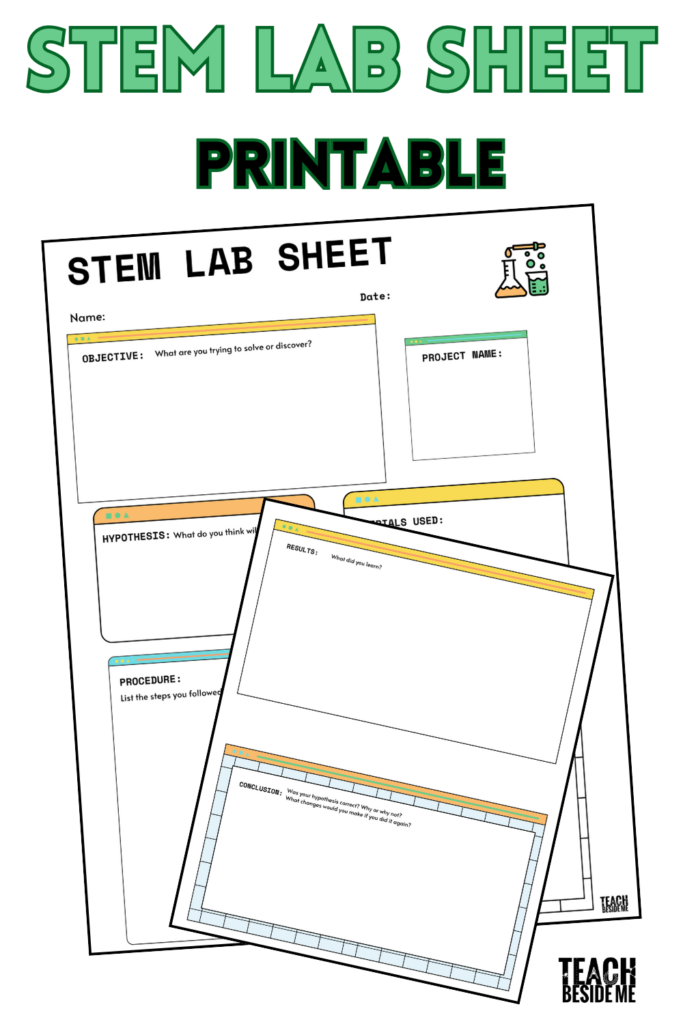
Grab the printable STEM lab sheet to help kids:
- Make predictions
- Record observations
- Draw results
- Test variations
- Explore the science behind the activity
Perfect for homeschool, summer learning, STEM camp, or classroom science centers!
Watch The Water Pump Sprinkler in Action:
More Water Science Activities for Kids
If your kids loved this activity, be sure to try these other fun water science experiments:
- Homemade Water Clock
- Submarine Science
- Paddle Boats
- Water Filtration Experiment
- Bathtub Bottle Rockets
These hands-on STEM projects are perfect for summer learning and backyard science fun!

Want 5 full days of done-for-you summer science fun?
This activity is part of my Backyard Summer Science Camp — a printable collection of hands-on science experiments, STEM challenges, and outdoor learning activities designed to make summer fun, educational, and easy for parents.
Perfect for homeschool families, summer camps, classrooms, or simply keeping curious kids busy all summer long!