Color My Feelings: A Creative Emotions Activity for Kids
This post may contain affiliate links.
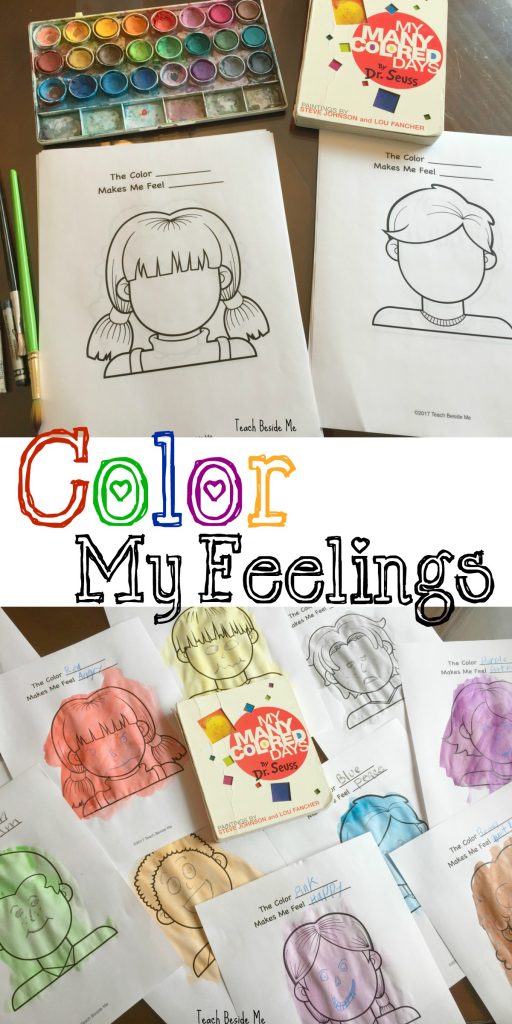
Have you ever read My Many Colored Days by Dr. Seuss? It’s one of my kids’ favorite books, and I love how it helps children connect emotions with colors in a simple yet powerful way. Understanding emotions is an essential skill for children, and associating them with colors makes it easier for kids to express how they feel.
Inspired by this book, I created a Color My Feelings activity that allows kids to explore their feelings through art and color. This hands-on project is a wonderful tool for classrooms, therapy sessions, and families looking for ways to help children express themselves in a meaningful way.
See more of my book activities for kids.
Why Use Colors to Teach Emotions?
Color is a natural way to communicate emotions. Bright colors like yellow and orange often represent happiness and energy, while darker shades like blue or gray can symbolize sadness or calmness. Using colors to explore feelings gives children a non-verbal way to express what they might not be able to put into words.
I love the way the book My Many Colored Days, helps teach children about their feelings. Each color represents a different feeling:
- Red – A bright red horse kicking up its heels (excitement, energy)
- Yellow – Buzzing bees (happiness, cheerfulness)
- Black – A howling wolf (anger, frustration)
- Blue – A peaceful scene (calmness, quiet reflection)
This approach helps kids recognize that emotions can change throughout the day and that all feelings are okay.
How to Use the Color My Feelings Activity
This printable activity is designed to help children explore emotions through art. It includes 12 different face styles, with six boys and six girls, so kids can choose faces that look like them or mix and match different expressions.
1. For Families
Parents can use this activity at home to encourage conversations about feelings. It’s a great tool for:
- Helping kids process their emotions after a long day
- Encouraging open communication about feelings
- Creating a bedtime routine where kids color how they felt that day
2. In the Classroom
Teachers can incorporate this activity into social-emotional learning (SEL) lessons. Some ways to use it include:
- A morning check-in where students color the face that matches their mood
- A discussion starter for emotions, using different color associations
- A creative art project that reinforces self-expression
3. In Therapy Sessions
Counselors, therapists, and mental health professionals often use art therapy and play therapy techniques to help children express emotions. This printable is an effective way to:
- Help children who struggle with verbalizing their feelings
- Identify patterns in various emotions over time
- Provide a fun and engaging activity for therapy sessions
4. For Social Workers
Social workers can use this tool in a variety of settings, including foster care, school counseling, and trauma recovery. It can help children:
- Process difficult emotions through non-verbal expression
- Adjust to transitions, such as foster care or new environments
- Build emotional regulation skills by recognizing and naming feelings
- Open up in family therapy by sharing emotions in a safe, creative way
Why Use Art to Explore Emotions?
Art therapy is a powerful way to help children process and express their feelings. Some key benefits of art therapy include:
- Encourages Emotional Expression – Many children struggle to verbalize their feelings, and art provides a non-verbal outlet.
- Reduces Stress and Anxiety – Engaging in creative activities can help calm the nervous system and promote relaxation. in a non-threatening way.
- Improves Emotional Awareness – Using colors and imagery to represent emotions helps children better understand and name their feelings.
- Supports Problem-Solving & Coping Skills – Creating art can help kids work through challenges and develop healthy emotional regulation techniques.
By incorporating Color My Feelings into daily routines, therapy sessions, or classrooms, children can develop better self-awareness, communication skills, and emotional resilience.

How to Make a Color My Emotions Booklet
-
Print the Faces: Print one face per page or two per page to make a smaller coloring book (and save paper).
-
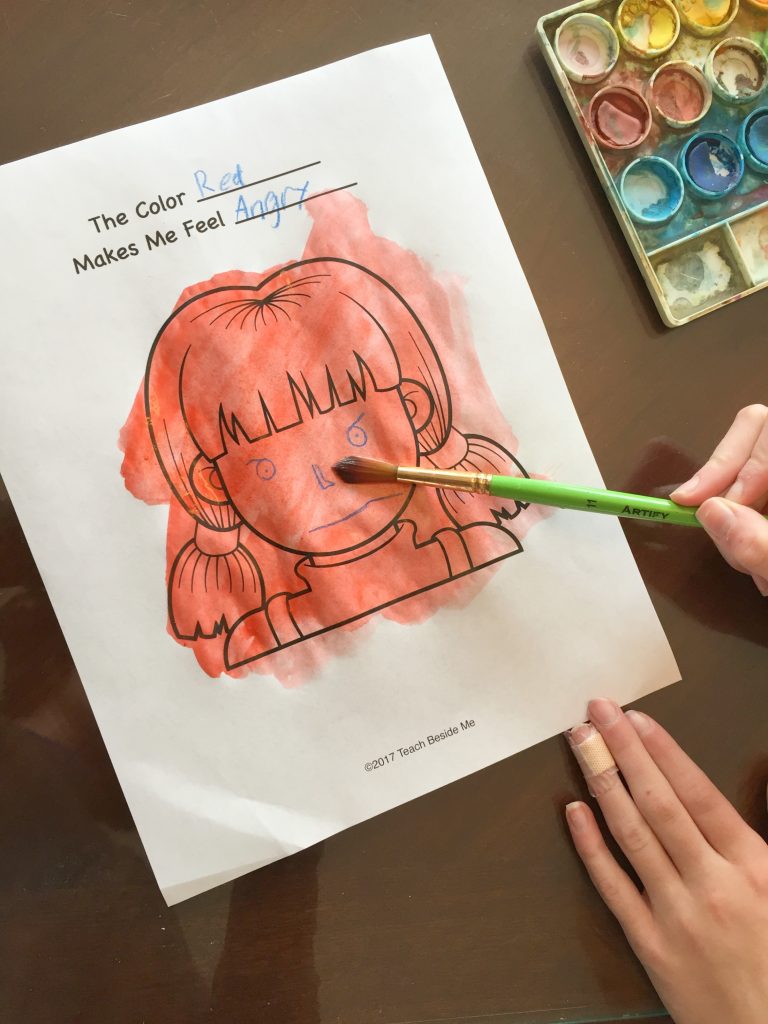
Draw Expressions: Kids can use crayons or colored pencils to draw facial expressions that match different emotions.
-
Add Watercolor for a Crayon-Resist Effect: Use watercolor paint to wash over the faces, adding the color that represents the emotion. The wax from the crayon resists the paint, creating a unique and artistic effect.
-
Assemble the Booklet: Once all the pages are colored, staple them together to create a personalized emotions book!
By using this Color My Feelings activity, you can help children develop emotional awareness, improve communication skills, and express themselves creatively. Whether at home, in the classroom, or in therapy, this printable booklet is a simple yet meaningful way to encourage emotional well-being and growth.

Get the Printable Color My Feelings Booklet
This activity is available to purchase and download in my shop! It includes:
- 12 face styles (6 boys, 6 girls)
- Printable booklet format options
- A fun way to explore emotions through color and art
Perfect for parents, teachers, and therapists looking for a hands-on emotional learning tool.




Looking for the color my feelings booklet?
SO Sorry! I updated the library with it.
I love this activity to talk about feelings.