Pumpkin Slime Science: A Fall Sensory Experiment for Kids
This post may contain affiliate links.
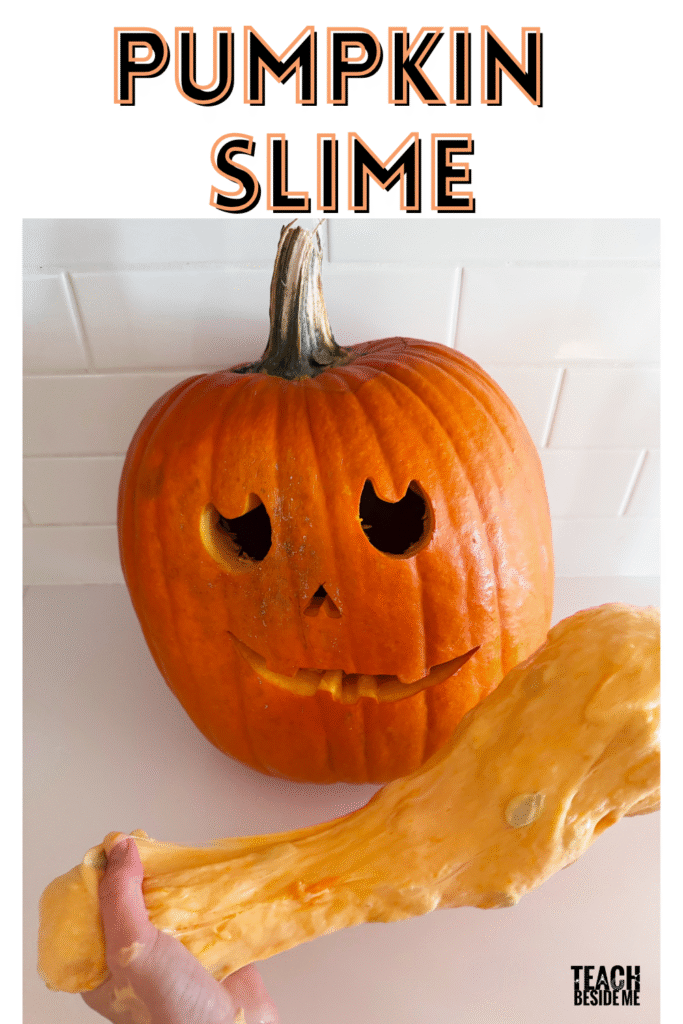
What do you get when you mix a pumpkin with slime? A perfectly squishy, stretchy fall science experiment! This Pumpkin Slime combines the gooey fun of carving real pumpkins with the curiosity of chemistry. It’s part sensory play, part STEM experiment — and 100% seasonal fun.
Why Try This Pumpkin Slime Recipe?
When your kids scoop out their pumpkins, don’t toss that pulp! The stringy guts insides make an amazing sensory material. This simple recipe transforms that goo into stretchy slime while sneaking in a hands-on chemistry lesson about polymers and non-Newtonian fluids (materials that act like both solids and liquids).
Pumpkin Slime Ingredients

You’ll need:
-
1 cup pumpkin pulp (with seeds and strings)
-
1–2 teaspoons baking soda (start with 1 tsp, add more if needed)
-
2–4 tablespoons saline/contact solution (contact lens solution with boric acid/sodium borate)
-
Optional Add-ins: Orange food coloring, pumpkin pie spice or a drop of essential oils for scent, glitter for sparkle
NOTE: For less mess and times when you are not carving a pumpkin, you can use canned pumpkin- just use less of it- start with 1/2 cup since it is more wet.
How to Make Pumpkin Slime
-
Scoop the pumpkin:
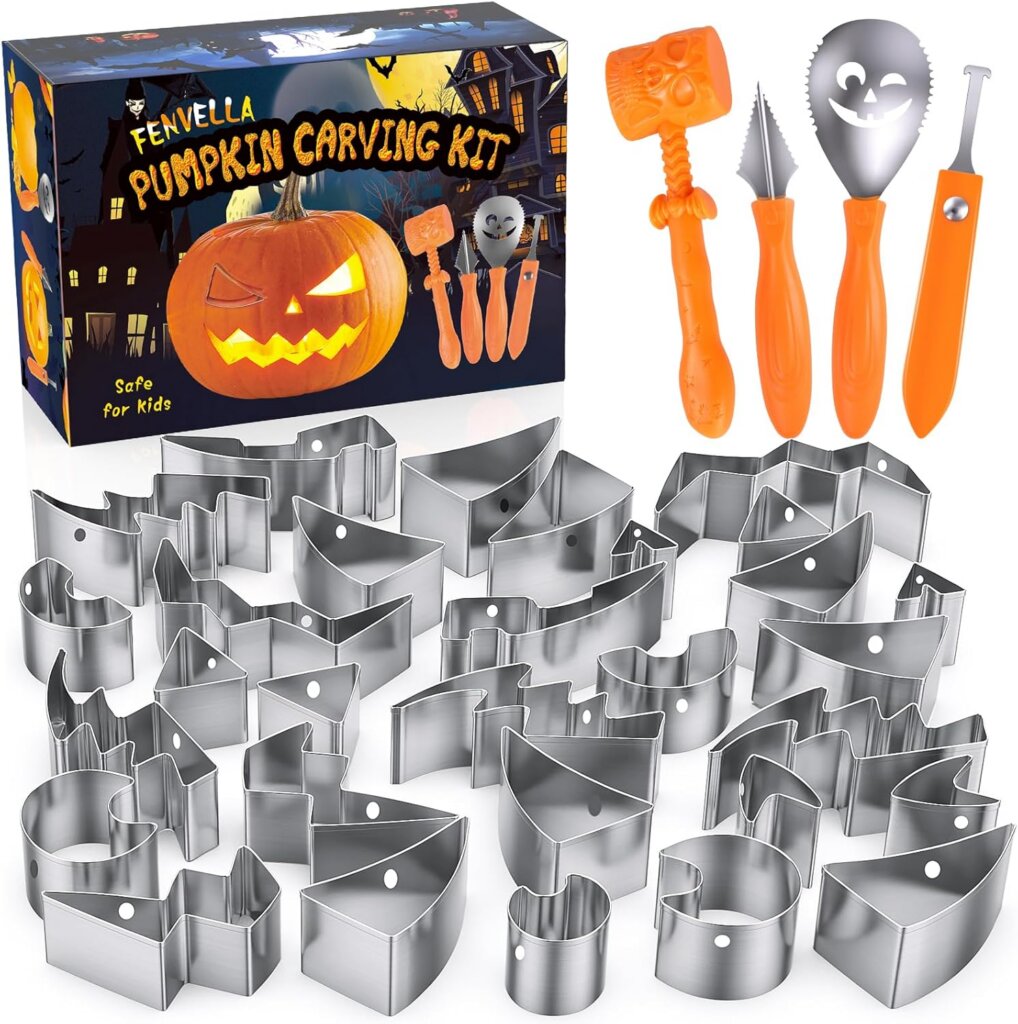
Cut open your pumpkin with a knife and use a spoon to scoop out about a cup of the stringy pulp and seeds. Don’t worry about cleaning it — the extra texture makes it fun!
Try these awesome carving tools we used this year, too! -
Mix the base:
In a bowl, stir together glue and baking soda until smooth. -
Add the pumpkin:
Stir in the pumpkin pulp. It may look a bit messy or runny at first — that’s normal! -
Activate the slime:
Slowly add the saline solution, one tablespoon at a time, stirring as you go. The slime will begin to form and pull away from the sides of the bowl.Note: Fresh pumpkin can hold a lot of moisture, so you might need to adjust the recipe. If it’s too sticky, add a little more saline and baking soda. If it’s too stiff, add a bit more glue. Ours needed 5 Tbsp of saline to really get the best texture.
-
Knead it:
Use your hands to knead the slime until it reaches a smooth, stretchy texture. It may take a few minutes of kneading to get just right.
The Science Behind Pumpkin Slime
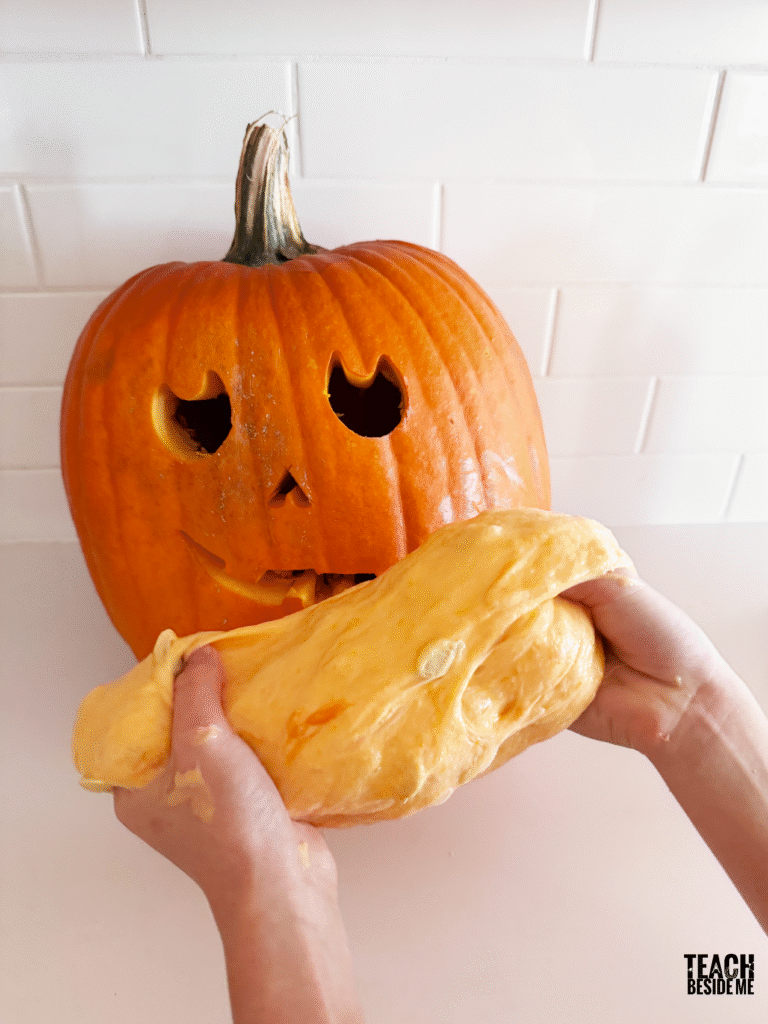
Slime is a non-Newtonian fluid, which means it behaves both like a solid and a liquid depending on how you handle it.
-
The glue contains long chains of molecules called polymers.
-
When you add the saline solution, the borate ions cross-link these polymers, creating a stretchy, flexible network.
-
The pumpkin pulp adds organic fibers and natural moisture, making this version even more fascinating to touch and observe.
You can turn this into a mini science lesson:
-
Compare how pumpkin slime moves versus regular slime.
-
Test if the pumpkin enzymes or moisture cause it to break down faster over time (great for older kids — it’s a natural decomposition experiment!).

Cleanup and Storage
Store your slime in an airtight container for a few days. Because pumpkin is organic, it won’t last long — and that’s part of the science!
When finished, don’t wash it down the drain (the seeds and pulp can clog pipes). Instead, toss it in the trash or compost the pumpkin bits.
Educational Extensions
Try adding these ideas for a full STEM or homeschool lesson:
- Try some of these Pumpkin Life Cycle Activities
-
Observation journal: Have kids record how the slime changes over time.
-
Compare recipes: Make regular slime and pumpkin slime side by side.
-
Science writing: Research how polymers are used in real-world materials (like rubber or contact lenses).
Pumpkin Slime is a perfect mix of messy fun and meaningful science. Whether you’re doing it at home, in a classroom, or at a fall party, kids will love squishing and stretching their very own pumpkin goo — and you’ll love the built-in learning.
See More Slime Recipes From My Site:
Chia Seed Slime Made with Grape Juice! – Edible Sensory Science
Edible Slime from Starburst Candy
Edible Candy Corn Slime Play Dough
Erupting Dinosaur Extinction Slime
Also check out our Autumn Nature Scavenger Hunt for more Autumn fun!