Candy Learning Ideas: Educational Ways to Use Up Halloween Candy
This post may contain affiliate links.

Candy isn’t just for eating — it’s perfect for hands-on learning! If your kids’ candy buckets are overflowing, turn that sugar stash into creative math, science, and sensory fun. These candy learning ideas transform everyday treats into memorable lessons your kids will love.
Learning through play (and food!) helps kids engage multiple senses — sight, touch, smell, and even taste — which boosts memory and motivation. Whether you’re teaching math, science, or creative thinking, candy makes it irresistible.
From counting with M&Ms to making slime from Starburst, here are some of our favorite candy learning activities to try at home or in the classroom:

How to Set Up a Candy Learning Day
Use this guide to organize your own Candy Learning Challenge at home or in the classroom:
-
Gather leftover candy or small variety packs.
-
Sort candies by type — chocolate, gummies, licorice, etc.
-
Set up learning stations (Math, Science, Sensory Play).
-
Give each child a notebook or worksheet to record predictions, data, or discoveries.
-
End with reflection time — Which candy stretched the farthest? Which one was easiest to count or measure?
Tip: You can even use stale candy — most of these projects don’t require eating it!
Candy Learning Ideas for Kids:
After Halloween Candy Learning Activities: Put your Halloween Candy to good use with these fun learning activities!

Math with Candy
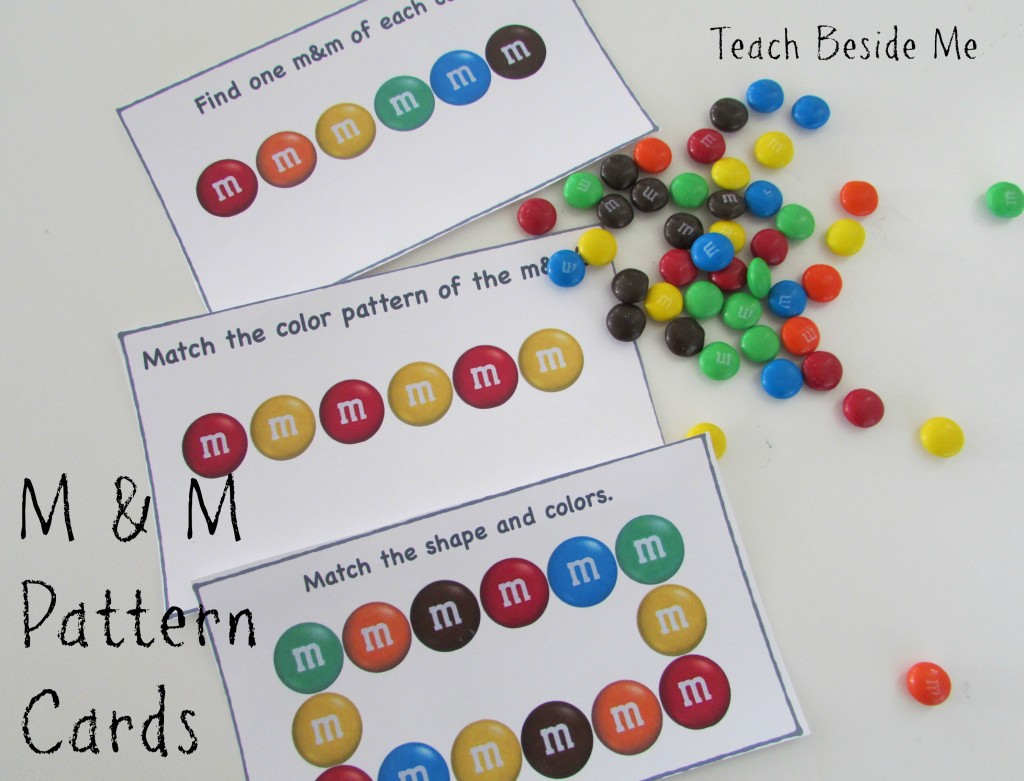
M & M Pattern Cards– This is a fun math activity that teaches patterning. I made a set of printable cards for this one and it goes along with the The M & M’s Counting Book.
Licorice Shapes & Angles– With this candy learning activity you can follow along in the Twizzlers Shapes and Patterns book and create shapes out of licorice! How can you not love doing math with licorice? I also have a fun printable to go with this.

Hershey Fractions– Candy learning could never be complete without come chocolate bars! Use candy bars for a sweet math lesson! Another great math book to go with this one is the Hershey’s Fraction Book.

Hershey Weights & Measures– We used our bucket scale for this fun activity. This could be done with any candies! But of course, we followed along with another great candy math book: Hershey Weights and Measures.

Skittles Math– This is one of our favorite candy learning activities! Practice counting, greater than & less than, percentages, and more! Need another candy math book recommendation? Try the Skittles Math book.

Gummy Bear Math: Is an incredibly fun candy learning activity using gummy bears! It teaches patterns, graphing and addition.

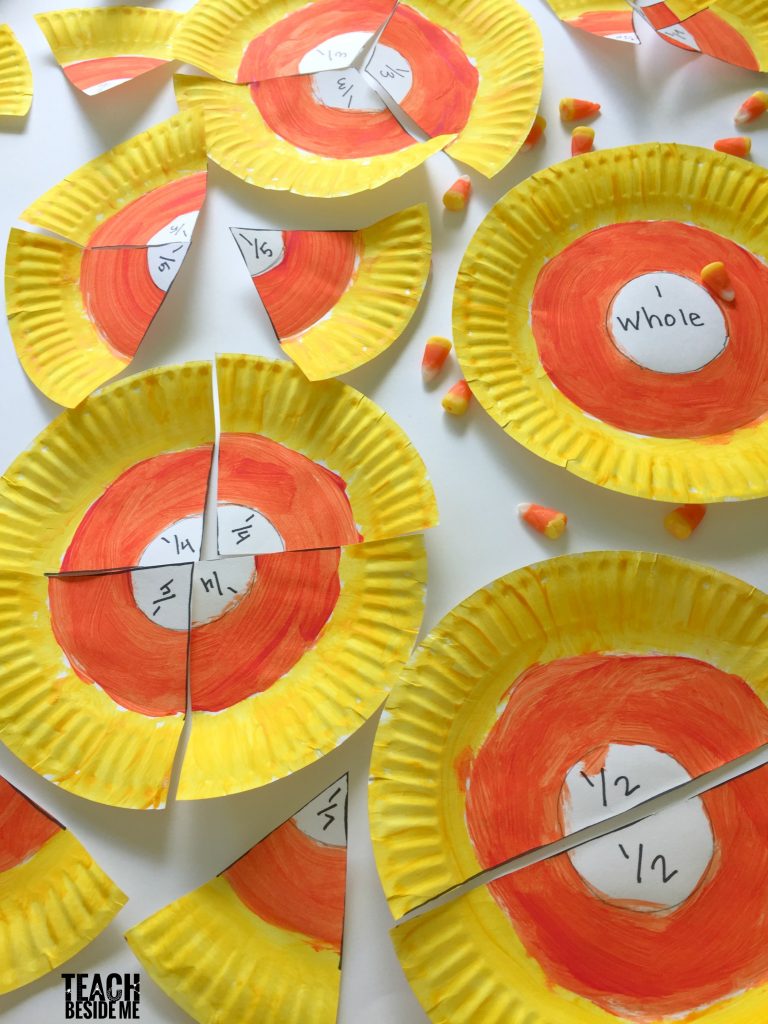
Candy Corn Fractions– While this does not use candy, it is still a fun way to learn with a candy theme!
Candy Science & Slime Experiments
Starburst Slime– The best tasting slime ever!

Candy Corn Slime– Turn your candy corn into a slimes dough to play with!

Gummy Bear Floam– Have some gummy bears in your stash? This activity is a great way to use them up!

Witches Brew Slime– Another gummy recipe, but a little gross to look at!

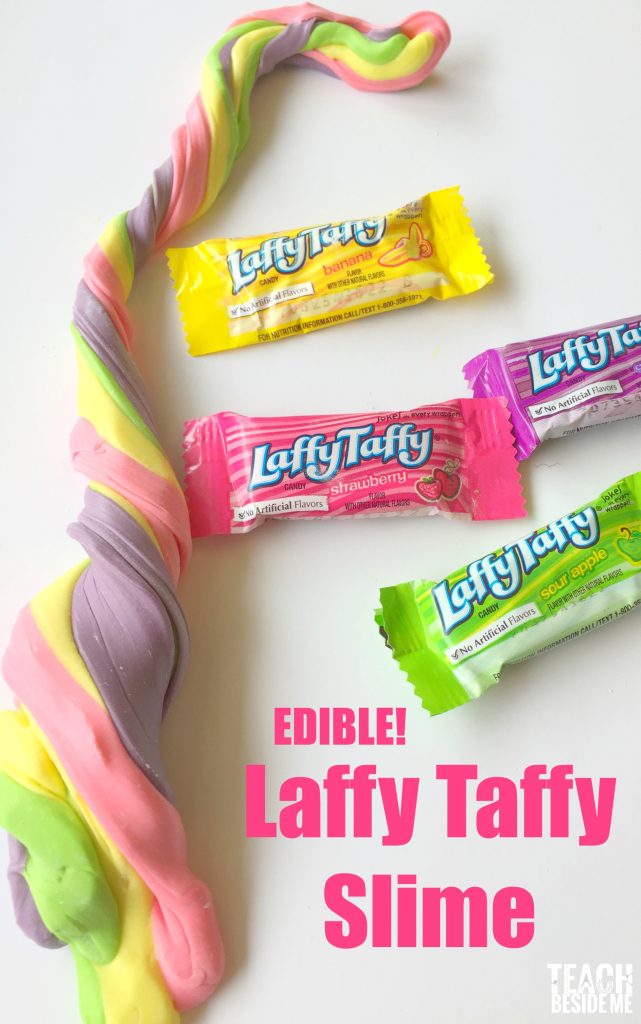
Laffy Taffy Slime– My kids claim this one as their favorite and always ask when we can make it again!
More Candy Learning Ideas to Try:
If you’ve worked your way through those favorites and still have more candy to spare, don’t stop there! Try some of these extra STEM, art, and sensory learning ideas. They’ll keep kids experimenting, building, and creating long after the Halloween sugar rush fades.
Candy Science Experiments
Candy Dissolving Science – Test which liquids dissolve candy fastest: water, vinegar, oil, soda, or salt water. Kids learn about solubility and chemical reactions.
Melting Point Test – Compare how different candies melt in warm water or under a lamp. Chocolate, taffy, and marshmallows all behave differently — an easy intro to states of matter.
Skittles Color Diffusion – Arrange Skittles in a circle on a plate, pour warm water, and watch the colors swirl — a vivid diffusion experiment that’s always a hit.
Gummy Bear Osmosis – Soak gummies in water, saltwater, and vinegar overnight to observe osmosis. Measure before and after for scientific accuracy.
Candy Chromatography – Separate the dyes in colorful candies using coffee filters and water. This one’s visually stunning and teaches real chemistry.
Math + STEM Candy Challenges
Candy Tower Engineering – Challenge kids to build the tallest or strongest structure using toothpicks and marshmallows, gumdrops, or candy corn. Discuss stability, balance, and design.
Candy Catapult Physics – Build mini catapults with craft sticks and launch different candies. Measure distance, weight, and flight patterns — a perfect intro to force and motion.
Candy Bar Graphs – Sort mixed candy and create bar graphs or pie charts to compare quantities or colors.
Candy Coding – Assign each candy color a code (red = 0, yellow = 1) and have kids “program” simple patterns or binary messages using candy pieces.
Candy Counting Race – Great for younger learners — roll dice and count out matching numbers of candies, then practice skip counting or multiplication.
Art + Creativity with Candy
Candy Mosaic Art – Use candy pieces to create color pattern mosaics or pixel-style pictures on cardboard. Tie in color theory or symmetry.
Candy Sculptures – Build 3D art using leftover candy and toothpicks — a creative STEAM crossover.
Candy Color Wheel – Use melted candies or candy wrappers to explore primary and secondary colors.
Candy Wrapper Collage – Recycle candy wrappers into art — perfect for an eco-friendly tie-in about reducing waste after holidays.
Critical Thinking + Sensory Play
Candy Sink or Float – Test density by predicting which candies will sink or float in water, then record observations.
Candy Sensory Bin – Create a non-edible sensory bin with wrapped candies, scoops, and sorting cups for preschoolers.
Candy Memory Game – Place a variety of candies on a tray, let kids study them, then cover and remove one — which candy is missing?
Candy Taste Test Graph – (Optional if you’re okay with a little sampling!) Let kids rate candies on sweetness, crunch, or chewiness and graph the results.
Candy Reaction Test – Drop different candies into soda or carbonated water to see which fizzes the most. Perfect to pair with your Pop Rocks or Dancing Cranberries experiments.
Extension + Writing Ideas
-
Write a “Candy Scientist Journal” entry describing observations from one of the experiments.
-
Create math word problems using candy (“If you have 12 Skittles and eat 1/3, how many are left?”).
-
Research how candy is made and write a mini report on sugar crystallization or chocolate production.
-
Design your own invented candy, draw it, name it, and write an advertisement for it.
Educational Tie-Ins
Each of these candy learning activities connects to real educational skills:
-
Math Skills: counting, graphing, fractions, measurement, geometry
-
Science Concepts: states of matter, osmosis, polymers, chemical reactions
-
Creative Thinking: problem-solving, patterning, experimenting, hypothesizing
-
Fine Motor Skills: sorting, cutting, molding, and building with candy pieces
Encourage your kids to make predictions (“What will happen if we heat this Starburst?”) and record results like real scientists.
Why Candy Learning Works
Kids learn best through multi-sensory experiences — using sight, touch, taste, and smell engages memory and curiosity. Candy adds a playful twist that makes concepts stick (literally!).
Use these after Halloween, at class parties, or anytime you have extra candy around the house. Combine them with your math or science lessons for a memorable learning day!
Beyond Halloween
These activities are fun all year long — try them again with Valentine’s candy, Easter treats, or birthday party leftovers. It’s a great way to make learning sweet, seasonal, and sustainable.
Now go and have fun learning with all of that yummy candy! These will be lessons your kids will never forget!


