Exploring Different Art Mediums with Kids
This post may contain affiliate links.
Art is one of the most joyful and expressive parts of learning in our home. My kids light up when I say it’s time to paint—but we’ve found that exploring a variety of art mediums brings a whole new level of excitement and creativity to our homeschool days. Whether you’re teaching art at home, in a classroom, or just looking for fun new projects, trying different materials helps kids develop skills, curiosity, and confidence.
In this post, we’ll walk through some popular art mediums, share the benefits of using each one, and give you ideas for creative projects to get started.

Why Explore Different Art Mediums?
Using different art supplies does more than just keep things interesting—it encourages kids to:
-
Experiment and problem solve with new techniques and textures
-
Build fine motor skills through a variety of tools and movements
-
Develop their artistic style by discovering what they enjoy using
-
Learn art vocabulary and gain a deeper appreciation for famous artists
-
Express emotions in different ways based on the medium used
Art mediums can be messy, bold, soft, subtle, or vibrant—and they each offer unique opportunities to explore.
Popular Art Mediums to Try with Kids
Here’s a breakdown of some great art mediums and what makes each one special.
1. Crayons
A favorite starter medium for young children. They’re easy to control, less messy, and great for coloring, rubbing textures, and warm-up activities.
-
Skills practiced: Color recognition, pressure control, layering
-
Try this: Make crayon resist art by painting watercolor over crayon drawings. Also check out my Melted Crayon Painting!
2. Colored Pencils
More precise than crayons, colored pencils are great for detailed work and early shading techniques.
-
Skills practiced: Line work, shading, color blending
-
Try this: Create a color blending chart or use them for nature sketching during outdoor learning.
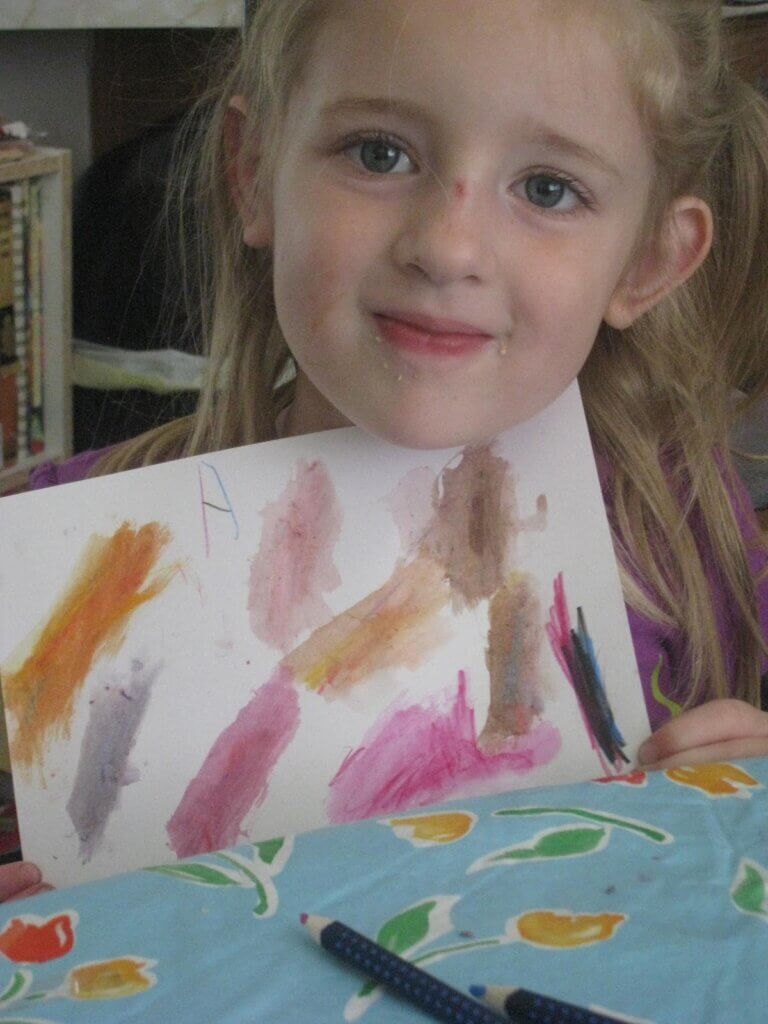
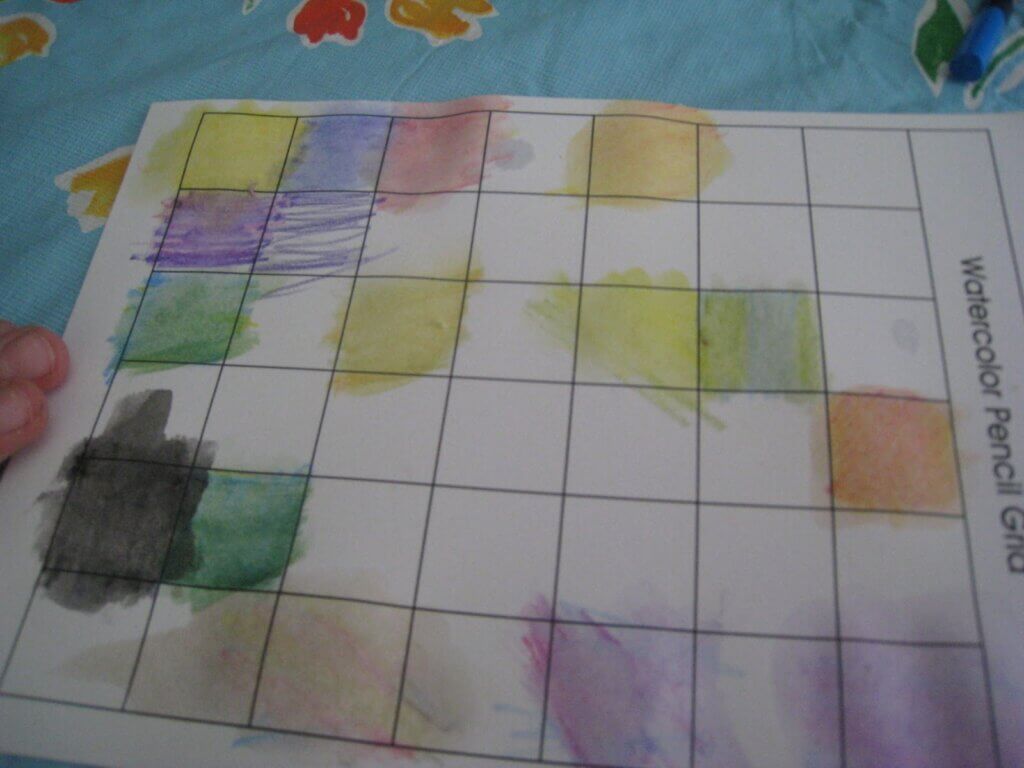
3. Watercolor Pencils
Watercolor pencils start like colored pencils, but when you add water, they blend and soften like watercolor paints.
-
Skills practiced: Color theory, blending techniques, water control
-
Try this: Make a color mixing grid (we tried this in our Tints and Shades post).
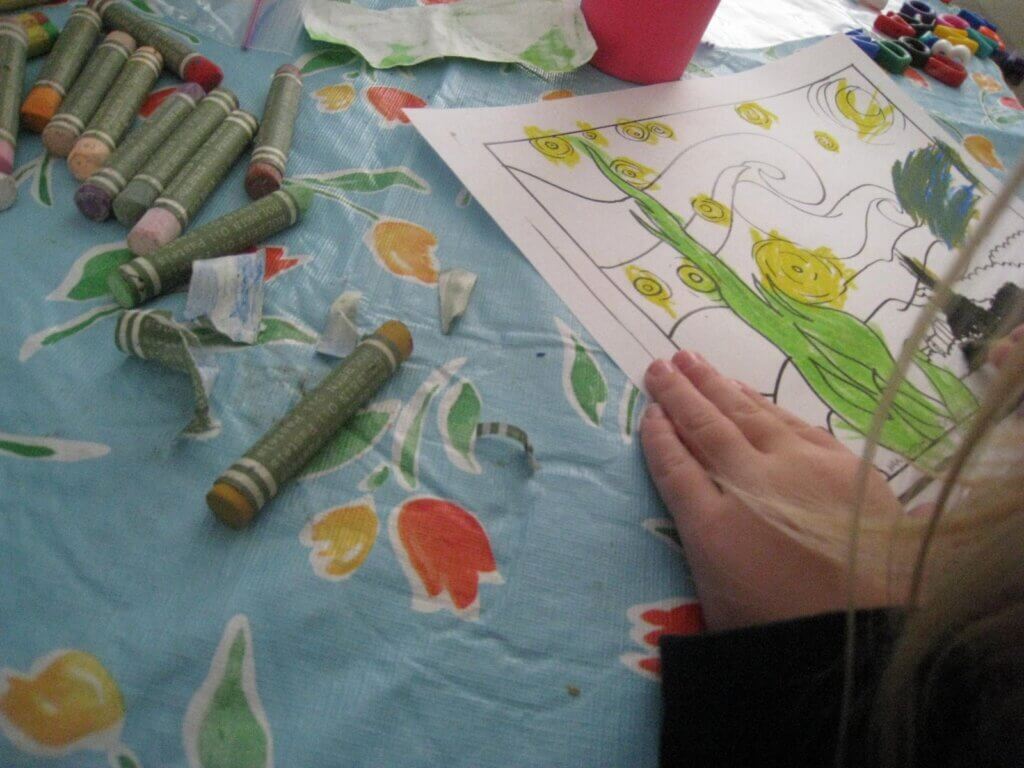
4. Oil Pastels
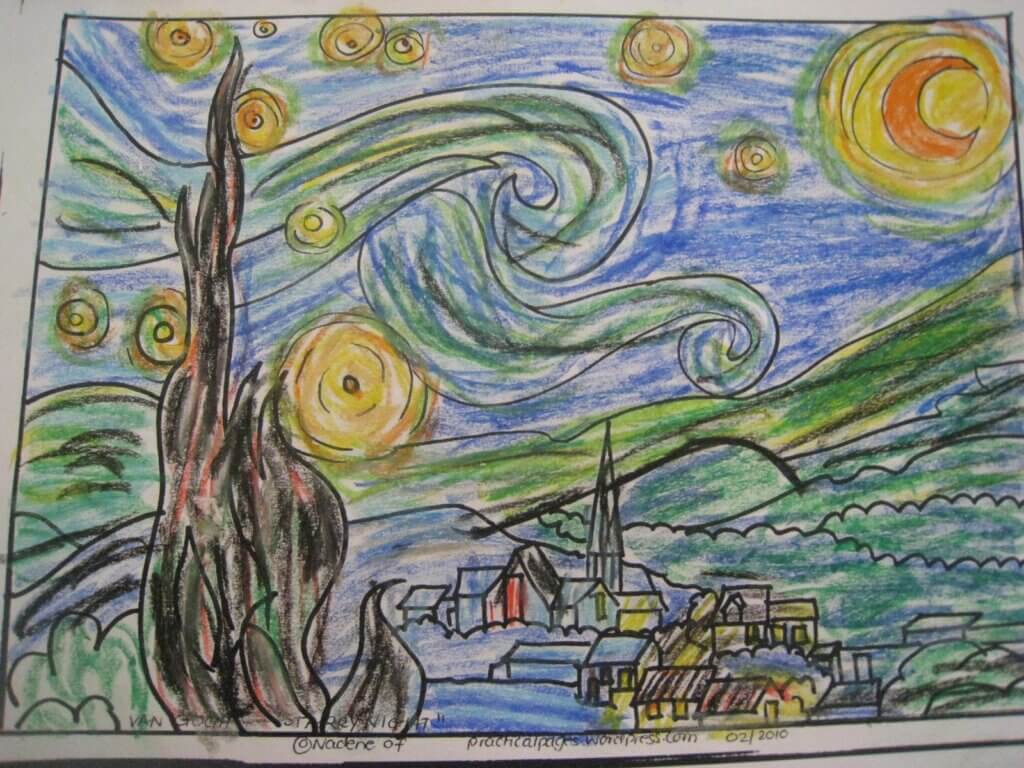
Oil pastels are creamy, vibrant, and wonderful for blending. They create bold, textured pieces and are great for imitating famous artists like Van Gogh.
-
Skills practiced: Layering, smudging, mixing, value contrast
-
Try this: Recreate a famous painting like Starry Night using oil pastels. We loved this during our Van Gogh unit study!
5. Watercolors
A classic favorite. Watercolors are great for learning about transparency, layering, and how water affects color.
-
Skills practiced: Brush control, layering, light vs. dark
-
Try this: Explore wet-on-wet and wet-on-dry techniques or paint over crayon drawings for a resist effect. Also check out Alcohol and Watercolor Painting
6. Tempera Paint
A bright, kid-friendly paint that’s great for large projects. It dries quickly and works well on paper, cardboard, or poster board.
-
Skills practiced: Color mixing, large brush control, painting in layers
-
Try this: Create bold abstract art or paint your own Jackson Pollock-inspired splatter paintings (see our project here).
7. Acrylic Paint
Best for older kids or more permanent projects. Acrylics dry quickly and can be used on canvas, wood, or other surfaces.
-
Skills practiced: Texture, depth, layering techniques
-
Try this: Paint your own mini canvas or create a mixed media piece using acrylic and collage.
8. Chalk Pastels
Soft, blendable pastels that work beautifully on textured paper or chalkboard surfaces. These are dustier than oil pastels and best used with a fixative.
-
Skills practiced: Blending, color gradients, shading
-
Try this: Draw sunrises, galaxies, or landscapes with bold, dramatic colors.
9. Markers
From washable to fine-tip to brush markers, this medium is excellent for vibrant color and clean lines.
-
Skills practiced: Precision, color blocking, outlining
-
Try this: Create geometric art or combine with math lessons (check out our Math Art Projects).

Try an Art Medium Mash-Up!
Let your kids combine mediums and see what happens:
-
Crayon + watercolor (resist painting)
-
Watercolor pencils + acrylic details
-
Chalk pastels over a watercolor background
-
Marker outlines with colored pencil fill-ins
Artist Studies + Medium Exploration
Linking different mediums to famous artists helps kids understand techniques and historical context. Some ideas:
-
Van Gogh + oil pastels
-
Kandinsky + watercolor + geometry
-
Pollock + tempera paint splatters
-
Seurat + markers or colored dots (pointillism)
Want more? Check out 100 Art Projects for Kids ~ Inspired by Famous Artists or browse our Amazing Math Art Projects for Kids.
Art Books I Recommend
Favorite Art Books for Kids:
Learning Benefits of Using Multiple Art Mediums
Exploring different materials isn’t just fun—it’s meaningful learning:
-
Boosts creativity and risk-taking
-
Improves sensory integration
-
Encourages observation and experimentation
-
Develops visual-spatial thinking
Art is an essential part of a well-rounded education. Whether you’re blending colors or experimenting with texture, each medium adds something new to the learning experience.
What Are Your Favorite Art Mediums?
Do your kids have a favorite medium—or one they haven’t tried yet? We’d love to hear about your favorite supplies or how you’ve incorporated art into your homeschool!




One Comment