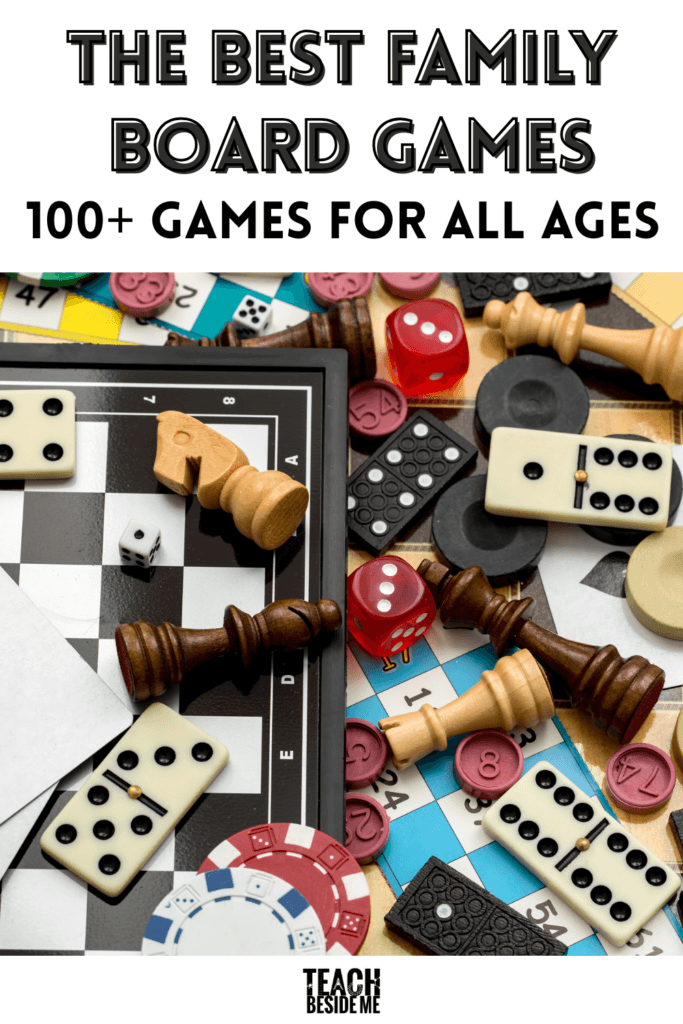
The Best Family Board Games: 100+ Games for All Ages
This post may contain affiliate links.
There’s something special about gathering around the table for a good old-fashioned game night. In our family, it’s become a beloved tradition — sometimes loud and competitive, sometimes cozy and calm, but always full of laughter and connection.
Games aren’t just for fun; they build life skills, strengthen relationships, and create lasting memories. Whether you’re teaching your preschooler to take turns or challenging your teens to a strategic showdown, game night is one of the best ways to learn, laugh, and grow together.
In this post, you’ll find:
-
100+ of the best games and puzzles organized by age and skill level
-
Tips for building your own family game night tradition
-
The surprising educational benefits of play
Why Family Game Night Matters
Connection and Togetherness
Game night offers a rare chance for families to slow down, laugh, and connect. When everyone’s focused on the same goal — whether it’s building train routes or guessing silly drawings — walls come down, and genuine interaction happens.
Social and Emotional Learning
Through play, kids practice patience, empathy, and communication. They learn how to win graciously, lose respectfully, and work together — lessons that carry far beyond the table.
Cognitive and Educational Benefits
Board games and puzzles promote critical thinking, logic, math, reading, and vocabulary. Cooperative games encourage problem-solving and teamwork, while strategy games boost planning and decision-making skills.
Screen-Free Quality Time
Game night pulls everyone away from devices and creates a shared experience that can’t be replicated on a screen. It’s a healthy, low-cost family ritual that pays off in connection, laughter, and learning.
Why Cooperative Board Games Are Great for Families
Not every game has to be competitive. Cooperative games encourage players to work together toward a shared goal rather than competing against one another.
These games can be especially helpful for:
- reducing sibling conflict
- encouraging teamwork
- helping reluctant players feel included
- building communication skills
- practicing problem-solving together
Some of our favorite cooperative family games include:
- Pandemic
- Forbidden Island
- Hoot Owl Hoot!
- Outfoxed!
- Castle Panic
- The Crew
Cooperative games create a different kind of family experience because everyone celebrates success together. Board games have been some of our favorite gifts for kids over the years, too!
Tips for Hosting a Great Family Game Night
-
Pick the right game for the time and mood. Short attention span? Go for something quick like Uno or Outfoxed! Have a full evening? Try Ticket to Ride or Catan.
-
Rotate who chooses the game. Everyone gets a turn to lead.
-
Keep snacks simple. Popcorn, fruit skewers, or a snack board work perfectly.
-
Start small. Even 30 minutes counts!
-
Celebrate the experience, not just the win. Highlight teamwork, funny moments, and creativity.
Easy Family Board Game Night Snacks
Simple snacks help make family game night feel festive without creating extra stress.
Some easy favorites include:
- popcorn
- nachos
- fruit skewers
- homemade pizza
- pretzel bites
- snack trays
- root beer floats
- hot cocoa
- trail mix
- ice cream sundaes
Letting kids help choose or prepare snacks can make the tradition even more fun and memorable.
Family Board Games by Time Available
Sometimes the hardest part of family game night is simply finding a game that fits your energy level and schedule. Here are a few ideas based on how much time you have available.
Quick 10–15 Minute Board Games
Perfect for busy evenings or younger attention spans:
These quick games are easy to pull out after dinner or before bedtime and still create meaningful family connection time.
Medium-Length Family Board Games
Great for a relaxed evening together:
These games balance strategy and fun without requiring a huge time commitment.
Longer Strategy Board Games
Perfect for weekends, older kids, or dedicated game nights:
Longer games often lead to the best conversations, teamwork, and memorable family moments.
The Best Family Board Games List (100+ Games and Puzzles)
Each game lists the suggested age range, the number of players, and a brief description of it to help you choose what’s best for your family.
Best Board Games for Preschool & Early Elementary Kids (ages 3–6)
-
Candy Land (2–4 Players) A colorful classic that is perfect for introducing younger kids to turn-taking and simple gameplay.
-
Hi Ho Cherry-O (2–4 Players) A fun counting game that helps little ones practice basic math skills while racing to fill their baskets.
-
Chutes & Ladders (2–4 Players) An easy-to-learn classic that teaches patience and counting with plenty of ups and downs.
-
The Sneaky Snacky Squirrel Game (2–4 Players) A playful fine motor game where kids use squirrel tweezers to collect colorful acorns.
-
Zingo (2–6 Players) A fast-paced bingo-style game that helps build matching and early reading skills.
-
Hoot Owl Hoot! (2–4 Players) A wonderful cooperative game where players work together to help the owls get home before sunrise.
-
Outfoxed! (2–4 Players) A kid-friendly mystery game that encourages teamwork, deduction, and problem-solving.
-
Don’t Break the Ice (2–4 Players) A simple but exciting game that always gets kids laughing as they try not to make the penguin fall.
-
Go Fish / Old Maid (2–6 Players) Classic card games that are easy for young kids to learn and great for memory practice.
-
Pengoloo (2–4 Players) A sweet memory game with colorful hidden eggs and adorable penguins.
-
Memory / Concentration (2+ Players) A simple matching game that helps strengthen focus, recall, and observation skills.
- Count Your Chickens (2–4 Players) A cooperative counting game where players work together to help all the chicks get safely home.
- Feed the Woozle (2–5 Players) A silly active game that combines balance, movement, and lots of laughter.
- Spot It! (2–6 Players) A quick visual matching game that builds observation skills and fast thinking.
- Animal Upon Animal (2–4 Players) A stacking game full of silly balancing challenges that younger kids absolutely love.
Best Board Games for Elementary Kids (ages 7–12 and up)
- Ticket to Ride First Journey (2–4 Players) A simplified version of the popular strategy game that introduces kids to geography and route building.
- Catan Junior (2–4 Players) A kid-friendly version of Catan with trading, strategy, and pirate-themed fun.
- Kingdomino (2–4 Players) A clever tile-placement game that combines simple strategy with spatial thinking.
- Qwirkle (2–4 Players) A colorful pattern-building game that is easy to learn but surprisingly strategic.
- Blokus (2–4 Players) A fantastic strategy game that builds spatial awareness and critical thinking skills.
- Carcassonne (2–5 Players) A classic tile-placement game where players build roads, cities, and farms together.
- Azul (2–4 Players) A beautiful pattern-building game that combines art, planning, and strategy.
- Sushi Go! (2–5 Players) A fast-paced card game with adorable artwork and simple strategic choices.
- Forbidden Island (2–4 Players) A cooperative adventure game where players work together to collect treasures and escape the island.
- Labyrinth (2–4 Players) A shifting maze game that encourages planning and problem-solving.
- Dragonwood (2–4 Players) A fantasy-themed card and dice game full of adventure and simple probability strategy.
- Sleeping Queens (2–5 Players) A lighthearted card game that is quick to learn and surprisingly addictive.
- Guess Who? (2 Players) A classic deduction game that helps kids practice asking thoughtful questions.
- Codenames: Pictures (4–8 Players) A hilarious team game that encourages creative thinking and communication.
- Zombie Kidz Evolution (2–4 Players) A cooperative legacy-style game where kids complete missions and unlock surprises over time.
- Rhino Hero (2–5 Players) A balancing game full of suspense and silly tower-building fun.
- Ice Cool (2–4 Players) A unique flicking game where penguins race through a school while avoiding the hall monitor.
- My First Castle Panic (1–4 Players) A cooperative castle defense game that is perfect for younger strategy lovers.
- Sequence (2–12 Players):A family favorite that combines cards and strategy in a simple but competitive format. Try the kids version with fun animal cards, too.
- Guess in 10 (2+ Players) A fun guessing game that encourages critical thinking and asking good questions.
- Hues & Cues (3–10 Players) A creative game all about describing and matching colors in surprising ways.
- Beat the Parents (2+ Players) A family trivia game where kids and parents compete against each other in hilarious challenges.
- Apples to Apples Junior (4+ Players) A silly word association game that always leads to laughter and funny conversations.
- SET Card Game (1–20 Players) — A brilliant visual pattern-recognition game that challenges players to quickly identify matching sets
- Cover Your Assets (4–6 Players) — A competitive card game full of stealing, stacking, and hilarious family rivalry as players try to build the biggest fortune.
- Farkle (2+ Players) — A classic dice game full of risk-taking, probability, and exciting high-score moments.

Best Board Games for Tweens & Teens (ages 10–17 and up)
- Ticket to Ride (2–5 Players): A family favorite strategy game where players build train routes across the country.
- Pandemic (2–4 Players): A cooperative game where everyone works together to stop global outbreaks and save the world.
- Catan (3–4 Players): A classic strategy game focused on trading, resource management, and careful planning.
- Splendor (2–4 Players): A fast-moving strategy game that combines resource collection with long-term planning.
- Forbidden Desert (2–5 Players): A cooperative survival adventure where players work together to escape the desert.
- King of Tokyo (2–6 Players): A chaotic dice game full of monsters, battles, and hilarious moments.
- Dixit (3–6 Players): A beautifully imaginative storytelling game that encourages creativity and interpretation.
- Mysterium (2–7 Players): A cooperative mystery game filled with visual clues and atmospheric gameplay.
- 7 Wonders (3–7 Players): A civilization-building strategy game with card drafting and resource management.
- Camel Up (3–8 Players): A funny and unpredictable camel racing game full of betting and surprises.
- The Crew (2–5 Players): A cooperative trick-taking card game that requires communication and teamwork.
- Codenames (4–8 Players): A clever word association game that is perfect for groups and family teams.
- The Game of Life (2–6 Players): A classic family board game full of career choices, surprises, and funny moments.
- Monopoly Deal (2–5 Players): A much faster and more exciting card-based version of Monopoly.
- Risk (2–6 Players): A strategy game centered around world domination, planning, and probability.
- Clue (3–6 Players): A mystery-solving classic that encourages deduction and logical thinking.
- Scotland Yard (3–6 Players): A suspenseful chase game where players work together to track down a hidden opponent.
- Exploding Kittens (2–5 Players): A silly and fast-paced card game filled with humor and unexpected twists.
- Uno Flip (2–10 Players): A fun twist on classic Uno with surprise flip cards that completely change gameplay.
- Phase 10 (2–6 Players): A card game built around completing number patterns and sequences.
- Rummikub (2–4 Players): A tile game that combines strategy, sequencing, and number patterns in a satisfying way.
- Mastermind (2 Players): A classic deduction game where players crack secret color codes through logic and reasoning.
- Bananagrams (1–8 Players): A fast-moving word game that is perfect for spelling and vocabulary practice.
- Skyjo (2–8 Players) — A fast-paced card game where players try to earn the lowest score through strategy, memory, and a little luck.
Strategy & Adult Family Board Games
- Wingspan (1–5 Players): A beautifully designed bird-themed strategy game filled with fascinating nature details and thoughtful gameplay.
- Terraforming Mars (1–5 Players): A deep science-fiction strategy game where players work to make Mars habitable.
- Viticulture Essential Edition (1–6 Players): A relaxing but strategic vineyard-building game centered around winemaking and resource management.
- Dominion (2–4 Players): A highly replayable deck-building game with endless strategy combinations.
- Root (2–4 Players): An imaginative woodland strategy game where each faction plays completely differently.
- Spirit Island (1–4 Players): A challenging cooperative game where players defend their island from invading settlers.
- Agricola Family Edition (1–4 Players): A farming-themed strategy game focused on building and managing a successful homestead.
- Cascadia (1–4 Players): A peaceful tile-laying game inspired by ecosystems and wildlife habitats of the Pacific Northwest.
- Everdell (1–4 Players): A gorgeous woodland strategy game filled with charming artwork and thoughtful planning.
- Parks (1–5 Players): A nature-inspired game celebrating U.S. National Parks with beautiful artwork and relaxing gameplay.
- Dice Throne (2–6 Players): A fast-paced battle game that combines dice rolling, strategy, and unique character powers.
- Splendor Duel (2 Players): A two-player version of Splendor with more tactical choices and direct competition.
- Planet (2–4 Players): A creative science-themed game where players build their own 3D planet and develop ecosystems.
- My City (2–4 Players): A legacy-style city-building game where choices permanently shape future gameplay.
- Cartographers (1–100 Players): A clever map-drawing game that combines strategy, puzzles, and creative thinking.
- The Adventures of Robin Hood (2–4 Players): A cooperative storytelling adventure game with exploration and immersive missions.
- MicroMacro Crime City (1–4 Players): A giant hidden-picture mystery game where players solve crimes through observation and deduction.
Board Games for Parties & Large Groups
- Telestrations (4–12 Players): A hilarious drawing and guessing game that always leads to unexpected and funny results.
- Pictionary (4+ Players): A classic team drawing game that encourages creativity, quick thinking, and lots of laughter.
- Scattergories (2+ Players): A fast-paced word game where players race to come up with clever answers before time runs out.
- Taboo (4+ Players): A lively communication game where players describe words without using the most obvious clues.
- Apples to Apples (4+ Players): A simple and silly comparison game that works well for large family gatherings.
- Wits & Wagers (3+ Players): A trivia game where players make educated guesses and bet on the best answers.
- Spyfall (3–8 Players): A clever questioning game where players try to uncover the secret spy in the group.
- Cranium (4+ Players): A party game that combines trivia, acting, drawing, puzzles, and word challenges.
- Balderdash (2+ Players): A creative bluffing game where players invent fake definitions and try to fool each other.
- Just One (3–7 Players): A cooperative word game that is easy to learn and surprisingly addictive.
- Concept (4–12 Players): A unique communication game where players use symbols and icons to convey ideas without speaking.
- Blank Slate (3–8 Players): A quick word association game where matching answers with others earns points.
- Family Feud Big Buzzer Edition (4+ Players): A family trivia game inspired by the popular TV show and perfect for larger groups.
Puzzles & Solo Logic Board Games
- Rush Hour (1 Player): A classic traffic jam puzzle game that challenges players to think ahead and solve increasingly tricky problems.
- Katamino (1+ Players): A colorful spatial puzzle game that helps build logic and geometry skills through hands-on play.
- Gravity Maze (1+ Players): A STEM-focused marble run puzzle game that combines engineering, logic, and critical thinking.
- Kanoodle (1 Player): A compact brain teaser packed with hundreds of puzzle combinations for independent problem-solving fun.
- Exit: The Game Series (1–4 Players): An escape-room-style game series filled with puzzles, clues, and cooperative mystery solving.
Outdoor Family Game Night Ideas
Game night does not just have to be inside with a board game! During the summer, taking game night outside can make it feel even more memorable and exciting. Check out my post on Fun Backyard Activities for Kids & Families.
Outdoor game nights pair perfectly with:
- backyard movie nights
- campfires
- summer parties
- neighborhood gatherings
- family reunions
Adding snacks, string lights, or music can make outdoor family game nights feel extra special.
Printable Family Game Night Ideas
Printable games are a wonderful way to keep family game night affordable, flexible, and screen-free.
Some fun printable game ideas include:
- charades cards
- Family Feud Game
- trivia games
- scavenger hunts
- dice games
- conversation cards
- bingo games
- drawing challenges
- would-you-rather questions
- Fun Paper Board Games to Play With a Pen or Pencil
Printable games work especially well for:
They are also easy to customize for different ages and interests.
Creating a Family Game Night Tradition
One of the best things about family game night is that it can become a meaningful family tradition that kids remember for years. You do not need elaborate plans or expensive games to make it special.
Some simple traditions families enjoy include:
- rotating who chooses the game
- wearing pajamas
- creating themed snack nights
- keeping a family scoreboard
- giving silly awards or trophies
Even simple weekly traditions help create a sense of connection, belonging, and togetherness.
Frequently Asked Questions About Family Game Night
What are the best family games for mixed ages?
Games with simple rules and flexible strategy work best for mixed ages. Favorites include Uno, Ticket to Ride First Journey, Apples to Apples Junior, Outfoxed!, and Sushi Go!
How often should families do game night?
Even once or twice a month can become a meaningful tradition. Consistency matters more than frequency.
What are good screen-free activities for families?
Board games, card games, outdoor games, puzzles, scavenger hunts, and conversation games are all excellent screen-free family activities.
What games help kids learn strategy?
Games like Catan, Kingdomino, Splendor, Ticket to Ride, and Blokus help children practice planning, logic, and strategic thinking.
Are cooperative games better for younger kids?
Many younger children enjoy cooperative games because they reduce frustration and encourage teamwork and communication.
Whether your family prefers fast-paced card games, strategy board games, cooperative adventures, puzzles, or even occasional video games together, creating intentional time to play is what matters most. Family game night gives every participant a chance to laugh, connect, learn, and build memories together.
From choosing the first player to celebrating the winner with silly prizes or homemade trophies, these little traditions become meaningful moments kids remember for years. Keep a deck of favorite games handy, try new clues and challenges, and most importantly, focus on enjoying time together.
Want More Family Activities?
Check out some of these:
Backyard Camping Ideas for Kids: Family Summer Fun
60+ Family Movie Night Ideas with Themed Snacks and Activities
Ultimate List of Group Games for Kids, Teens & Families