100+ Science Fair Project Ideas for Kids
This post may contain affiliate links.
Looking for a great science fair project? Whether you need something quick and easy or want a more challenging investigation, you’ll find plenty of ideas here! I’ve gathered 100+ science fair project ideas for elementary and middle school students, covering everything from chemistry and biology to physics, engineering, and earth science.
Explore questions like which paper bridge design holds the most weight, what keeps apples from turning brown, or how different materials affect the speed of a toy car. Many of these projects use inexpensive supplies you probably already have at home or in your classroom.
But choosing a fun experiment is only the beginning! A good science fair project gives kids the chance to ask a question, make predictions, test ideas, collect data, and discover something for themselves.
Below, you’ll find science fair ideas organized by subject, along with tips for turning simple experiments into testable investigations. I’ll also share helpful resources for planning your project, recording results, and creating your science fair display.
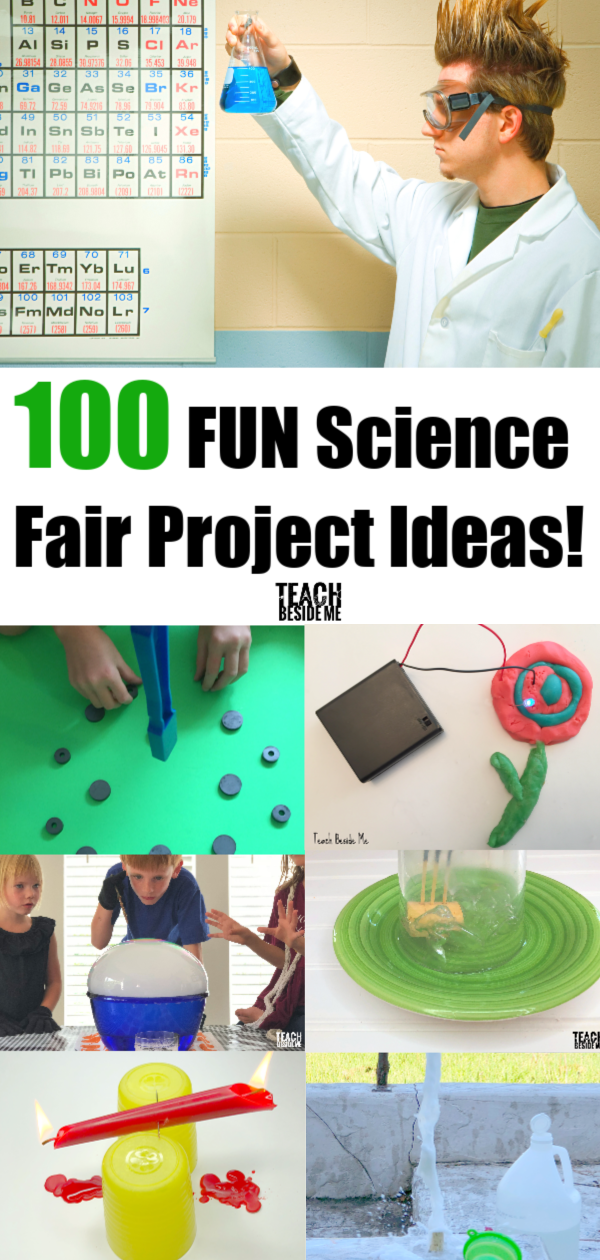
What Makes a Good Science Fair Project?
A great science fair project starts with a question you can actually test! Instead of simply making a baking soda volcano, for example, you might investigate how changing the amount of baking soda affects the gas produced in the reaction.
The goal is to change one variable, keep other important conditions the same, and measure what happens. By repeating the experiment and recording the results, kids can use evidence to answer their original question.
Not every fun science activity is automatically a science fair investigation, but many can become one with the right question! As you explore the ideas below, look for projects that interest you, fit your grade level, and give you something you can measure or compare.
Science fair tip: Before beginning, check your school’s science fair guidelines. Some fairs have specific rules about project types, materials, safety, and adult supervision.
How to Choose a Science Fair Project
The best science fair projects start with something you’re curious about! Before choosing an idea, think about what interests you and what you’d like to discover. Then make sure your project is something you can realistically test.
Here are a few things to consider:
- Choose a topic you enjoy. Do you love animals, plants, building things, chemistry, or figuring out how things work? Start with something that interests you.
- Ask a question you can test. Instead of asking, “How do plants grow?” try, “Does the amount of sunlight affect how tall bean plants grow?”
- Consider your time and supplies. Some experiments take an afternoon, while others require several weeks of observations. Choose something that fits your schedule and budget.
- Make sure you can measure the results. Look for a project where you can collect data, such as measuring distance, temperature, time, weight, or growth.
- Check the science fair rules. Your school may have guidelines about project difficulty, safety, required procedures, or display boards.
Science fair tip: Don’t worry about choosing the most complicated project! A simple question investigated carefully can make an excellent science fair project.
Fun & Easy Science Fair Projects for Kids
These science fair project ideas can be used for many grade levels including elementary school aged kids, middle school aged kids and some would even work for high school. Many of these science activities are quick and easy to put together and will not break the bank either.
I divided the science fair project ideas out the best I could by topic and category for you. That way if there is a certain interest, you can find just what you are looking for. You will find science fair experiment ideas in biology, physics, chemistry, electricity, magnetism, earth science, and more!
All of these simple experiment ideas can be used in some way to create an awesome science fair project. Most are from my site, but many are from some other great bloggers! Click the links to get instructions and demonstrations on how these projects work.
Want more ideas? See also my post with 200 + Elementary STEM Projects.
Physics and Forces Science Fair Project Ideas
Explore gravity, motion, energy, friction, and simple machines with these hands-on physics science fair projects! Each idea gives kids a question they can investigate by changing one variable and measuring the results.
1. Rubber Band Boat Experiment
Science fair question: How does the number of rubber band twists affect how far a boat travels?
Build a rubber band-powered boat and test different numbers of twists. Measure the distance traveled during each trial.
2. Toy Car Ramp Experiment
Science fair question: Does ramp height affect how far a toy car travels?
Release the same toy car from ramps set at different heights. Measure how far it travels after leaving the ramp.
Also try balloon powered cars for a variation.
3. Catapult Science Experiment
Science fair question: How does the launch angle affect the distance a catapult launches an object?
Build a homemade catapult and test different launch angles using the same lightweight projectile. Measure the distance traveled.
4. Paper Bridge Strength Experiment
Science fair question: Which paper bridge design can hold the most weight?
Compare flat, folded, and accordion-style paper bridges using the same paper and bridge span. Measure how much weight each supports. See my paper bridge activity for inspiration.
5. Gravity Spinner Experiment
Science fair question: How does the position of a weight affect how long a spinner rotates?
Make a gravity spinner and test different weight positions. Time how long it spins during each trial.
6. Zip Line Physics Experiment
Science fair question: How does the type of string affect how quickly a zip line rider travels?
Build a winter sports zip line and compare different materials, such as smooth string, cotton cord, and yarn. Keep the slope, distance, and rider weight the same, and measure the travel time for each material.
7. Magnet Pendulum Experiment
Science fair question: How does the distance between a magnet and a pendulum affect its movement?
Explore magnetic forces with this magnet pendulum experiment. Change the position of a magnet and observe how it affects the pendulum’s movement. Measure the maximum sideways deflection or another consistent measure of motion.
8. Egg Drop Engineering Challenge
Science fair question: Which protective design best prevents an egg from breaking?
Create protective containers using paper, cardboard, or other materials. Compare designs using the same drop height and record whether the eggs survive. Try my Egg Drop Challenge Ideas.
9. Simple Machines: Gears Experiment
Science fair question: How does gear size affect rotation speed?
Use different gear combinations to explore how motion transfers between gears. Count how many times one gear rotates for each turn of another. Explore our simple machines gear activity.
10. Paper Airplane Science Experiment
Science fair question: Which paper airplane design flies the farthest?
Fold several airplane designs using identical sheets of paper. Test each design multiple times and compare the average flight distances.
11. Balloon Rocket Experiment
Science fair question: Does the amount of air in a balloon affect how far a balloon rocket travels?
Attach an inflated balloon to a straw threaded onto a string. Test different balloon inflation levels and measure the distance traveled. Learn how to make the Balloon Rocket.
12. Paper Column Strength Experiment
Science fair question: Which paper column shape supports the most weight?
Build columns with circular, triangular, and square cross-sections using identical sheets of paper. Add weight gradually to compare their strength. See how we held up a stack of books with paper!
13. Rubber Band Spinner Experiment
Science fair question: How does the number of rubber band twists affect spinning time?
Make a shooting star spinner and test different numbers of twists. Measure how long it spins.
14. Paper Helicopter Science Experiment
Science fair question: How does the length of a paper helicopter’s blades affect how long it stays in the air?
Make paper helicopters with different blade lengths or different weights and drop them from the same height. Keep the paper type, body design the same, and measure how long each helicopter takes to reach the ground.
15. Spinning Top Physics Experiment
Science fair question: How does the shape of a spinning top affect how long it spins?
Make toothpick spinning tops using different cardstock shapes, such as circles, stars, and hexagons. Keep the paper weight, overall size, and toothpick placement consistent. Spin each top several times and compare how long it stays upright.
Engineering and Technology Science Fair Project Ideas
Put your engineering skills to the test! These science fair projects explore electricity, circuits, solar power, and mechanical design. Build something that works, then investigate how changing one part affects its performance.
16. Electrical Conductivity Experiment
Science fair question: Which household materials conduct electricity?
Use this electrical conductivity experiment to test different materials and record which ones complete a simple circuit.
17. Coin Battery Experiment
Science fair question: How does the number of battery cells affect voltage?
Build a coin battery and measure the voltage as you connect additional cells in series.
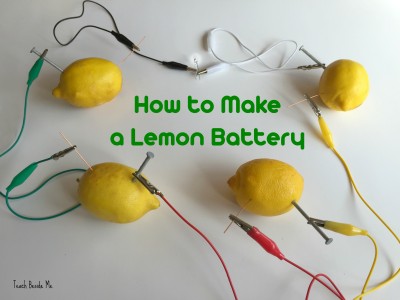
18. Lemon Battery Experiment
Science fair question: How does the number of lemon battery cells affect voltage?
Make a lemon battery and compare voltage measurements with different numbers of cells connected in series.
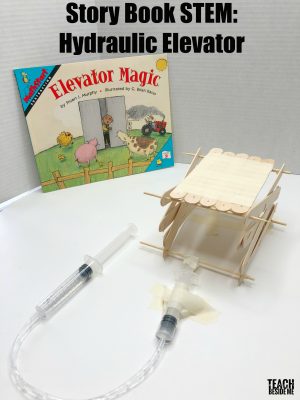
19. Hydraulic Elevator Experiment
Science fair question: How does syringe size affect the force needed to lift a load?
Build a hydraulic elevator and compare different syringe combinations while lifting the same weight. Measure the input force using a force gauge.
20. Spinning Bubble Blower Experiment
Science fair question: How does spinning speed affect the number of bubbles produced?
Make a spinning bubble blower and compare slow, medium, and fast spinning speeds. Count the bubbles produced during each trial, keeping the bubble solution and spinning time consistent.
21. Paper Circuit Experiment
Science fair question: How does the number of LEDs connected in parallel affect total current?
Make a paper circuit and compare the current drawn by different numbers of identical LEDs connected in parallel, using appropriate current-limiting resistors and a multimeter.
22. Solar-Powered LEGO Car Experiment
Science fair question: How does the angle of a solar panel affect the speed of a solar-powered car?
Build a solar-powered LEGO car and compare its travel time over a fixed distance with the panel at different angles under consistent lighting.
23. Spinning Straw Water Pump Experiment
Science fair question: How does spinning speed affect the amount of water a spinning straw pump moves?
Build a spinning straw water pump using straws attached to a stick. Compare different spinning speeds and measure the amount of water collected during equal time intervals.
24. Truss Bridge Engineering Challenge
Science fair question: Which truss bridge design supports the most weight?
Build different truss bridges using the same materials and bridge span. Compare how much weight each design can support before failing. Get started with our popsicle stick bridge-building activity.
25. Tower Engineering Challenge
Science fair question: Which tower design supports the most weight?
Build towers using fresh cranberries and toothpicks, marshmallows, straws, noodles, or any supplies you may have! Compare different structural designs, such as triangles and squares, while keeping the tower height and number of toothpicks as consistent as possible. Gradually add weight to each tower and record how much it supports before collapsing.
Chemistry and Materials Science Fair Project Ideas
Explore chemical reactions, acids and bases, crystal formation, and the surprising properties of everyday materials! These chemistry science fair projects turn simple experiments into investigations by changing one variable and measuring the results.
26. Red Cabbage pH Indicator Experiment
Science fair question: How does the concentration of vinegar affect the pH of a solution?
Make a natural red cabbage pH indicator and add it to different dilutions of vinegar. Compare the colors and use a pH reference chart to estimate the acidity of each solution.
27. Baking Soda and Vinegar Reaction
Science fair question: How does the amount of baking soda affect the gas produced in a reaction?
Use a baking soda and vinegar experiment to test different amounts of baking soda with a fixed amount of vinegar. Collect the carbon dioxide in a balloon and measure its circumference. Make sure there is enough vinegar to react with all the baking soda in each trial.
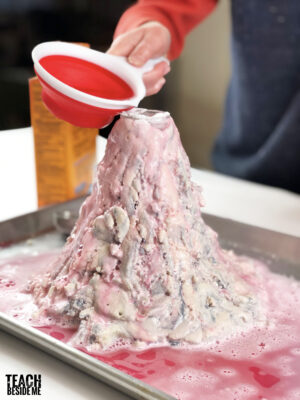
28. Volcano Eruption Experiment
Science fair question: How does the concentration of vinegar affect the height of a baking soda volcano eruption?
Build a science project volcano and test different vinegar dilutions while keeping the baking soda amount, total liquid volume, and volcano opening consistent. Measure the maximum foam height.
29. Cleaning Pennies Experiment
Science fair question: Which household cleaning solution removes the most tarnish from pennies?
Try this cleaning pennies experiment using different solutions. Soak similarly tarnished pennies for the same amount of time and compare the results using a consistent visual rating scale.
30. Dissolving Science Experiment
Science fair question: How does water temperature affect the time it takes sugar to dissolve?
Use this dissolving science experiment to compare equal amounts of sugar in water at different temperatures. Keep the water volume and stirring method consistent and record the dissolving time.
31. Borax Crystal Growing Experiment
Science fair question: How does cooling rate affect crystal growth?
Grow borax crystals in equal amounts of the same saturated solution. Allow one container to cool slowly and another more quickly, then compare the crystals after the same amount of time. Use adult supervision when preparing the hot solution.
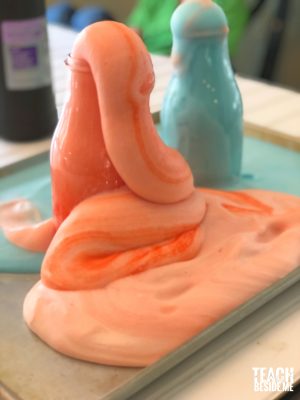
32. Elephant Toothpaste Experiment
Science fair question: How does the amount of yeast affect the rate of an elephant toothpaste reaction?
Make elephant toothpaste using household-strength 3% hydrogen peroxide and different amounts of yeast. Keep the peroxide and soap amounts constant, then measure how quickly the foam rises.
33. Oobleck Science Experiment
Science fair question: How does the ratio of cornstarch to water affect the flow of oobleck?
Make oobleck using different ratios of cornstarch and water. Compare how long each mixture takes to flow a fixed distance down an inclined surface.
34. Rust and Oxidation Experiment
Science fair question: How does salt concentration affect the rate of rust formation?
Use this rust experiment to compare identical iron nails in water with different salt concentrations. Photograph the nails daily and compare the amount of visible rust over time.
35. Paper Towel Absorption Experiment
Science fair question: Which type of paper towel absorbs the most water?
Explore water absorption by testing equal-sized pieces of different paper towel brands. Measure how much water each absorbs before dripping.
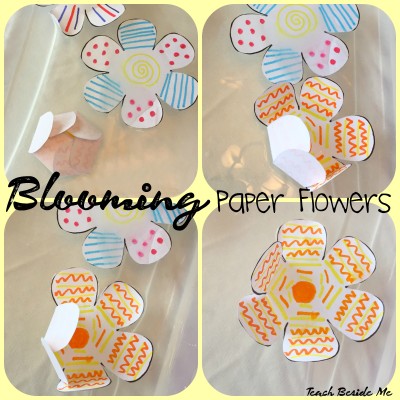
36. Blooming Paper Flowers Experiment
Science fair question: How does paper thickness affect how quickly folded paper flowers open in water?
Make blooming paper flowers using different weights of paper. Keep the flower size and folding pattern consistent, then time how long each takes to open.
37. Mentos and Soda Geyser Experiment
Science fair question: How does soda temperature affect the height of a Mentos geyser?
Try a Mentos and soda geyser with identical bottles at different temperatures. Add the same number of Mentos and compare the eruption heights outdoors.
38. Seashell Acid Reaction Experiment
Science fair question: How does vinegar concentration affect the rate at which seashells dissolve?
Use this seashell acid-base experiment to test similar-sized pieces of seashell in different vinegar dilutions. Measure their dry mass before and after a fixed soaking period.
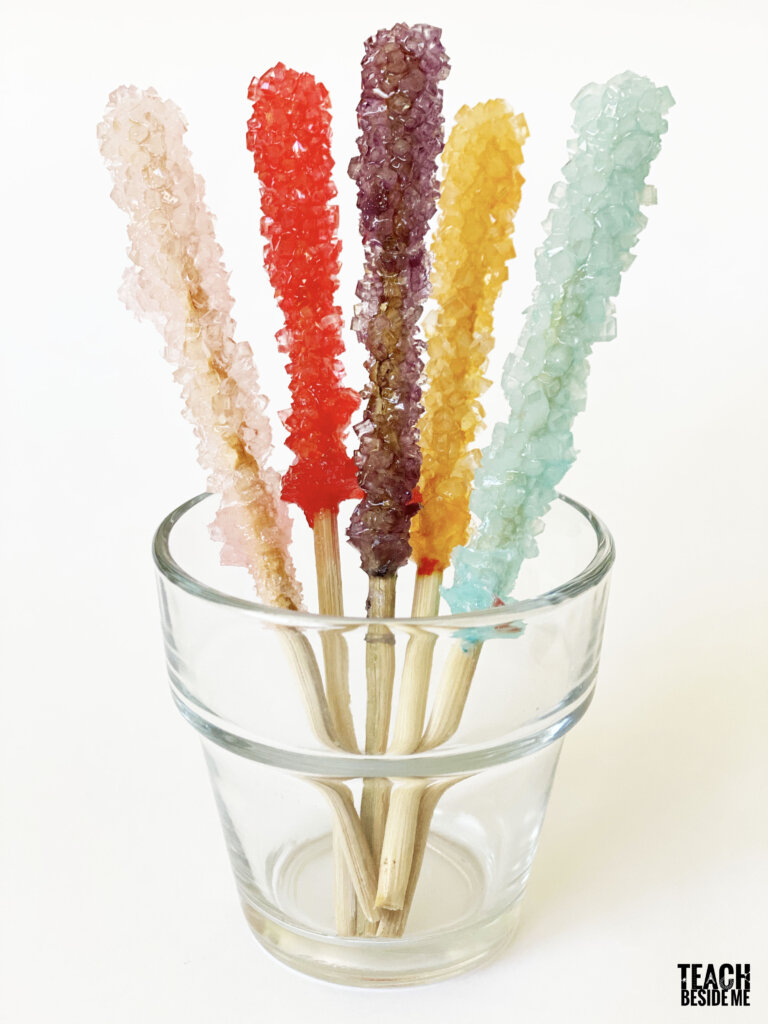
39. Rock Candy Crystal Experiment
Science fair question: How does sugar concentration affect crystal growth?
Prepare sugar-water solutions with different concentrations and compare the amount of rock candy crystal growth over several days. Keep the containers, temperature, and growing time consistent.
40. Surface Tension and Bubble Shapes
Science fair question: How does soap concentration affect the size of bubbles?
Use this bubble science activity to make solutions with different soap concentrations. Blow bubbles using the same wand and technique, then compare their diameters.
41. Density and Floating Objects Experiment
Science fair question: How does salt concentration affect how high an object floats?
Explore liquid density using identical containers of water with different amounts of dissolved salt. Place the same floating object in each solution and measure how much remains above the surface.
42. Slime Stretch Experiment
Science fair question: How does the amount of activator affect how far slime stretches?
Make several batches of slime using the same recipe but different measured amounts of activator. Compare the distance each sample stretches before breaking, using equal-sized samples and the same pulling method.
43. Chromatography Experiment
Science fair question: Which washable marker colors separate into the greatest number of pigments?
Try my chromatography experiments. Draw equal-sized ink spots on identical strips of coffee filter paper. Place the ends in shallow water, keeping the ink above the waterline, and compare how many distinct pigment bands appear from each marker.
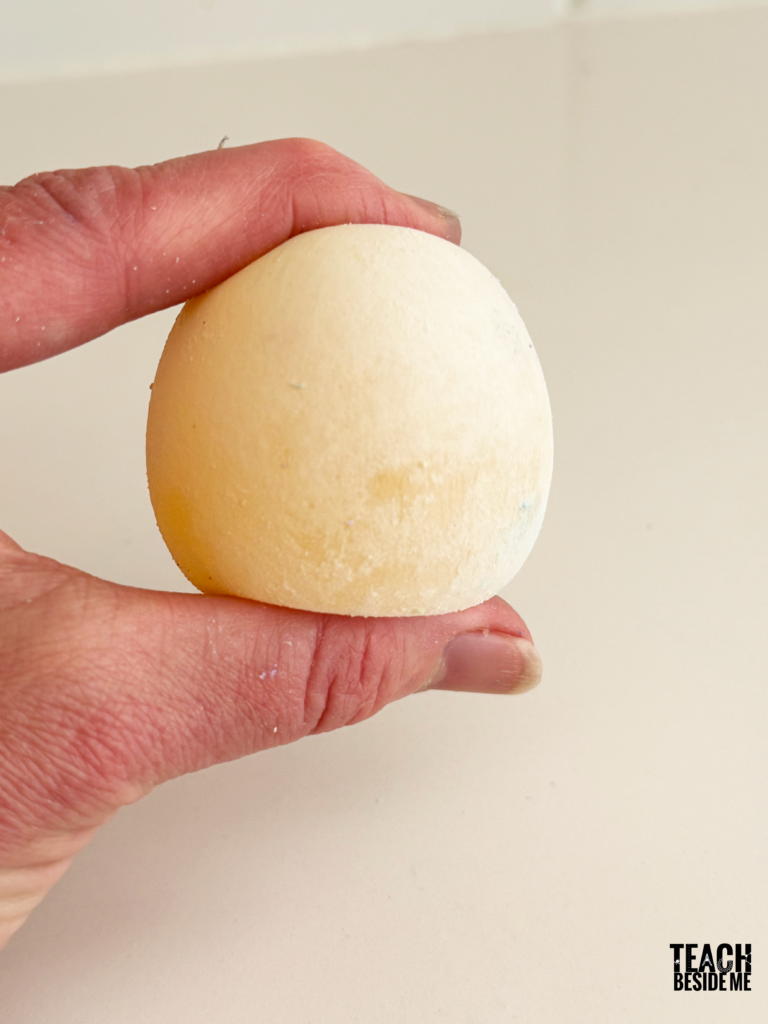
44. Rubber Egg Science Experiment
Science fair question: How does the length of time an egg soaks in vinegar affect its mass?
Place raw eggs in vinegar for different lengths of time. Carefully remove, rinse, dry the surfaces, and weigh each egg to compare the changes. Use similar-sized eggs and the same amount of vinegar for each trial. Get the full Rubber Egg instructions.
45. Bath Bomb Chemistry Experiment
Science fair question: How does water temperature affect how quickly a bath bomb reacts?
Place identical bath bombs in equal amounts of water at different temperatures. Time how long each takes to stop fizzing and compare the results. Keep the bath bomb size and water volume consistent.
Biology, Plants, and Nature Science Fair Project Ideas
Discover how living things grow, respond to their environments, and interact with the world around them! These biology science fair projects investigate seeds, plants, leaves, and natural processes through hands-on experiments. Explore how changing one condition can affect growth, development, and survival.
46. Seed Germination in a Bag Experiment
Science fair question: How does the amount of water affect seed germination?
Try growing pea seeds in a clear plastic bag with a damp paper towel, attached to a window for easy observation. Prepare several bags with different measured amounts of water, keeping the number and type of seeds consistent. Record how many seeds germinate and measure root growth over several days.
47. Plant Growth and Light Experiment
Science fair question: How does the amount of light affect plant growth?
Grow identical seedlings under different daily light durations. Keep the soil, water, temperature, and light intensity consistent, then measure plant height and leaf development over several weeks.
48. Leaf Transpiration Experiment
Science fair question: How does sunlight exposure affect the amount of water released by leaves?
Try this leaf transpiration experiment by placing clear bags around similar leafy branches in different light conditions. Collect and measure the condensed water after equal amounts of time, keeping temperature as similar as possible.
49. Colored Flower Water Experiment
Science fair question: How does water temperature affect the rate at which colored water moves through flower stems?
Place similar white flowers in containers of colored water at different temperatures. Measure how long it takes for the color to become visible in the petals.
50. Growing Potatoes in a Jar Experiment
Science fair question: How does light exposure affect potato plant growth?
Plant similar seed potatoes in clear jars filled with soil, positioning them so some root growth can be observed along the glass. Place the jars in different light conditions while keeping the soil, water, and temperature as consistent as possible. Measure shoot height and leaf development over several weeks. Cover the jars with removable dark paper between observations to protect the roots from prolonged light exposure.
51. Plant Phototropism Experiment
Science fair question: How does the direction of light affect the direction a plant grows?
Grow seedlings in boxes with openings on different sides. Keep other growing conditions the same and measure the angle of stem growth toward the light.
52. Leaf Decomposition Experiment
Science fair question: How does moisture affect the rate at which fallen leaves decompose?
Place equal masses of the same type of fallen leaves in ventilated containers with different moisture levels. Keep them in the same location and compare changes in appearance and dry mass over several weeks.
53. Potato Osmosis Experiment
Science fair question: How does salt concentration affect the mass of potato pieces?
Place equally sized potato pieces in solutions with different salt concentrations. After the same soaking time, blot the pieces dry and measure the percentage change in mass.
54. Water Strider Surface Tension Experiment
Science fair question: How does the amount of soap in water affect its ability to support a lightweight object?
Explore the science behind water striders by placing identical lightweight objects on clean water and water with different soap concentrations. Record whether each object remains supported by the surface.
55. Seed Dispersal Experiment
Science fair question: How does the size of a paper seed’s wings affect how far it travels?
Make paper models of winged seeds with different wing sizes. Release them from the same height in a consistent airflow and measure their horizontal travel distance.
56. Celery Water Transport Experiment
Science fair question: How does the number of leaves affect water uptake in celery stalks?
Place similar celery stalks with different numbers of leaves in equal amounts of water. Measure changes in water level or container mass over time, accounting for evaporation with a control container.
57. Seedling Growth and Gravity Experiment
Science fair question: How does the starting orientation of a seed affect the direction its roots grow?
Plant germinated seeds in different orientations inside clear growing containers. Observe and photograph root growth over several days, comparing how the roots respond to gravity.
58. Pinecone Opening and Closing Experiment
Science fair question: How does humidity affect how quickly pinecones open or close?
Place similar dry pinecones in environments with different humidity levels. Measure changes in scale opening over time and compare how quickly the pinecones respond.

59. Leaf Chromatography Experiment
Science fair question: Do different types of leaves contain different combinations of pigments?
Try our Leaf Chromatography experiment. Collect leaves from several plant species and extract their pigments using the same procedure. Separate the pigments on chromatography paper and compare the number and positions of the colored bands. Keep the amount of leaf material, solvent, and testing conditions consistent.
60. Worm Tower Experiment
Science fair question: How does soil moisture affect earthworm burrowing activity?
Build a worm observation tower with soil and observe earthworms under different soil moisture conditions. Compare the number or length of visible tunnels formed over several days, keeping the soil type, number of worms, and observation time consistent. Keep the tower covered from light between observations and return the worms to a suitable habitat afterward.
Earth and Environmental Science Fair Project Ideas
Explore the forces that shape our planet! These earth science projects investigate weather, water, rocks, soil, erosion, and natural processes. Each experiment gives kids a chance to explore how the Earth works while collecting data, building models, and testing their own ideas.
61. Water Filtration Experiment
Science fair question: Which filtration material removes the most visible particles from muddy water?
Build simple water filters using sand, gravel, cotton, or coffee filters. Pour equal amounts of prepared muddy water through each filter and compare the clarity of the filtered water. Do not drink the filtered water.
62. Stalactite and Stalagmite Formation Experiment
Science fair question: How does the concentration of a salt solution affect crystal formation?
Use this stalactite and stalagmite experiment to compare crystal growth from different concentrations of the same dissolved salt. Measure the formations over several days.
63. Solar Still Experiment
Science fair question: How does sunlight exposure affect the amount of water collected by a solar still?
Build a solar still and compare how much water it collects in different sunlight conditions. Keep the starting water volume, container size, and collection time consistent.
64. LEGO Earthquake Engineering Experiment
Science fair question: Which building design withstands simulated earthquakes best?
Build structures using LEGO bricks and test them on a homemade shake table. Use this LEGO earthquake activity as a starting point. Compare how well different building designs withstand the same shaking conditions.
65. Soil Erosion Experiment
Science fair question: How does ground cover affect the amount of soil washed away by rain?
Prepare trays with equal amounts of soil, covering some with grass, leaves, or mulch while leaving another bare. Pour equal amounts of water over each tray at the same rate and collect the runoff to compare soil loss.
66. Water Evaporation Experiment
Science fair question: How does exposed surface area affect the rate of water evaporation?
Place equal volumes of water in containers with different opening sizes. Keep the containers in the same location and measure the amount of water remaining each day.
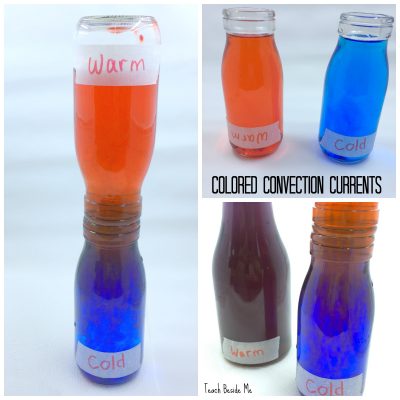
67. Colored Convection Currents Experiment
Science fair question: How does the temperature difference between two water samples affect the movement of water?
Explore convection currents using colored warm and cool water. Compare different temperature differences and measure how quickly the colored water moves a fixed distance.
68. Sedimentary Rock and Fossil Formation Experiment
Science fair question: How does the amount of pressure affect the depth of a fossil impression?
Try this sedimentary rock and fossil experiment using layers of bread and gummy candies. Place different measured weights on identical models for the same amount of time. Compare the depth of the impressions left in the bread.
69. Soil Water Absorption Experiment
Science fair question: Which soil type absorbs the most water?
Place equal amounts of different soils in containers with drainage holes. Add the same volume of water to each and measure how much drains through, comparing the water retained by each soil.
70. Homemade Thermometer Experiment
Science fair question: How does temperature affect the liquid level in a homemade thermometer?
Build a homemade thermometer and place it in environments with different temperatures. Measure how far the liquid rises or falls, and compare the readings with a standard thermometer. Allow the homemade thermometer to stabilize before recording each measurement.
71. Tornado in a Bottle Experiment
Science fair question: How does the amount of water in a bottle affect the time it takes a vortex to drain?
Create a tornado in a bottle and test different starting water volumes. Keep the bottle, opening size, and swirling method consistent. Measure how long the water takes to drain during each trial.
72. Cloud in a Jar Experiment
Science fair question: How does water temperature affect the amount of condensation that forms?
Make a cloud in a jar using warm water and a chilled lid. Compare different water temperatures while keeping the jar size, water volume, and cooling conditions consistent. Record how much condensation forms over the same amount of time.
73. Water Quality Testing Experiment
Science fair question: How do water quality measurements differ among local water sources?
Use this at-home water testing activity to compare water samples from different sources. Test properties such as pH, hardness, or dissolved solids using the same methods for each sample.
74. Homemade Wind Vane Experiment
Science fair question: How does the shape of a wind vane’s tail affect how accurately it points into the wind?
Build a homemade wind vane and test different tail shapes while keeping the rest of the design the same. Use a fan to create consistent airflow and compare how reliably each design points in the correct direction.
75. Rock Identification and Hardness Experiment
Science fair question: How do the hardness levels of different rock and mineral samples compare?
Use this rock identification experiment to perform scratch tests on different rock and mineral samples. Test each with the same set of reference materials, such as a fingernail, copper coin, and steel nail. Record which materials scratch each sample to estimate its hardness.
76. Rainwater Collection Experiment
Science fair question: How does the type of covering affect the amount of rainwater collected?
Try this rainy day science experiment using identical jars covered with different materials, such as coffee filters, cloth, or mesh, along with one uncovered jar. Place them side by side during the same rainstorm and compare the volume of water collected.
77. Sunlight and Surface Temperature Experiment
Science fair question: How does surface color affect the amount of heat absorbed from sunlight?
Place identical thermometers beneath black, white, and other colored surfaces in direct sunlight. Measure the temperature changes over equal time intervals.
78. Hurricane Model Experiment
Science fair question: How does the speed of rotation affect the shape of a hurricane model?
Create a model hurricane and test different rotation speeds. Observe and photograph the vortex formed at each speed, keeping the amount of water and container size consistent.
79. Plate Tectonics and Mountain Formation Experiment
Science fair question: How does the distance tectonic plates move toward each other affect the height of the mountains they form?
Build a plate tectonics model with kinetic sand using layers of colored sand between two movable sections. Push the sections together by different measured distances and record the height of the resulting folds. Start with the same amount and arrangement of sand for each trial.

80. Sundial and Shadow Experiment
Science fair question: How does the time of day affect the length of a shadow?
Build a homemade sundial and measure the shadow length at regular intervals throughout a sunny day. Record the measurements and compare how the shadow changes as the Sun appears to move across the sky.
Food Science Fair Project Ideas
Turn your kitchen into a science lab! These food science fair projects explore the chemistry of cooking, food preservation, fermentation, and the properties of everyday ingredients. From baking bread to investigating fruit enzymes, students can discover how ingredients, temperatures, and cooking methods affect the foods we eat.
81. Apple Browning Experiment
Science fair question: Which household treatment prevents apple slices from browning the longest?
Explore apple science by treating equal-sized apple slices with water, lemon juice, or other food-safe liquids. Photograph the slices at regular intervals and compare how much they brown over time.
82. Fruit Enzymes and Gelatin Experiment
Science fair question: How does heating fresh pineapple affect its ability to prevent gelatin from setting?
Try this fruit enzymes and gelatin experiment using fresh pineapple, heated pineapple, and a control without pineapple. Keep the gelatin mixture and fruit quantities consistent, then compare how firmly each sample sets.
83. Bread Rising Experiment
Science fair question: How does the amount of yeast affect how much bread dough rises?
Make bread in a bag using the same recipe with different measured amounts of yeast. Keep the rising time, dough quantity, and temperature consistent, then measure the change in dough height or volume.
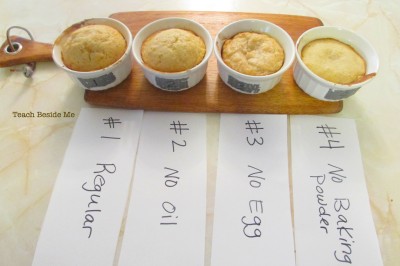
84. Cake Chemistry Experiment
Science fair question: How does the amount of baking powder affect the height of a cake?
Use this cake chemistry experiment to bake small cakes with different amounts of baking powder. Keep the other ingredients, pan size, and baking conditions consistent, then compare their heights and textures.
85. Pie Crust Science Experiment
Science fair question: How does the amount of water affect the flakiness of pie crust?
Try this pie crust experiment using different measured amounts of water. Keep the flour, fat, mixing method, and baking conditions consistent. Compare the finished crusts using a consistent flakiness rating scale.
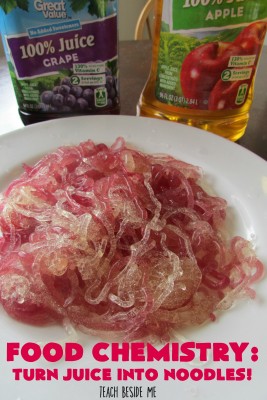
86. Juice Gelation Experiment
Science fair question: How does the amount of gelatin affect how firmly juice sets?
Explore how to turn juice into a solid by preparing identical juice samples with different amounts of gelatin. Refrigerate them for the same amount of time and compare their firmness.

87. Green Eggs Chemistry Experiment
Science fair question: How does cooking time affect the color of hard-boiled egg yolks?
Explore green eggs chemistry by cooking eggs for different lengths of time. Cool them using the same method and compare the amount of green-gray discoloration around the yolks.
88. Solar S’mores Oven Experiment
Science fair question: How does the angle of a solar oven reflector affect the temperature inside the oven?
Build a solar s’mores oven and test different reflector angles. Measure the temperature inside the oven at regular intervals while keeping the oven design and sunlight conditions consistent.
89. Hard Candy Lollipop Experiment
Science fair question: How does cooking temperature affect the texture of homemade hard candy?
Make hard candy lollipops using the same recipe, but heat separate batches to different final temperatures measured with a candy thermometer. Pour equal-sized samples into molds, allow them to cool completely, and compare their hardness and texture. Hot sugar requires careful handling and adult supervision for younger students.
90. Homemade Butter Experiment
Science fair question: How does cream temperature affect the time needed to make butter?
Make butter in a jar. Shake equal amounts of heavy cream at different starting temperatures in identical sealed jars. Use a consistent shaking method and record how long it takes for butter to form.
91. Popcorn Science Experiment
Science fair question: How does storage humidity affect the percentage of popcorn kernels that pop?
Store equal groups of popcorn kernels in different humidity conditions for the same length of time. Pop them using the same method and count the percentage that successfully pop.
92. Ice Cream in a Bag Experiment
Science fair question: How does the amount of salt added to ice affect how quickly ice cream freezes?
Make ice cream in a bag using identical batches of ice cream mixture surrounded by ice and different measured amounts of salt. Keep the ingredients, ice quantity, and mixing method consistent, then measure how long each batch takes to freeze.
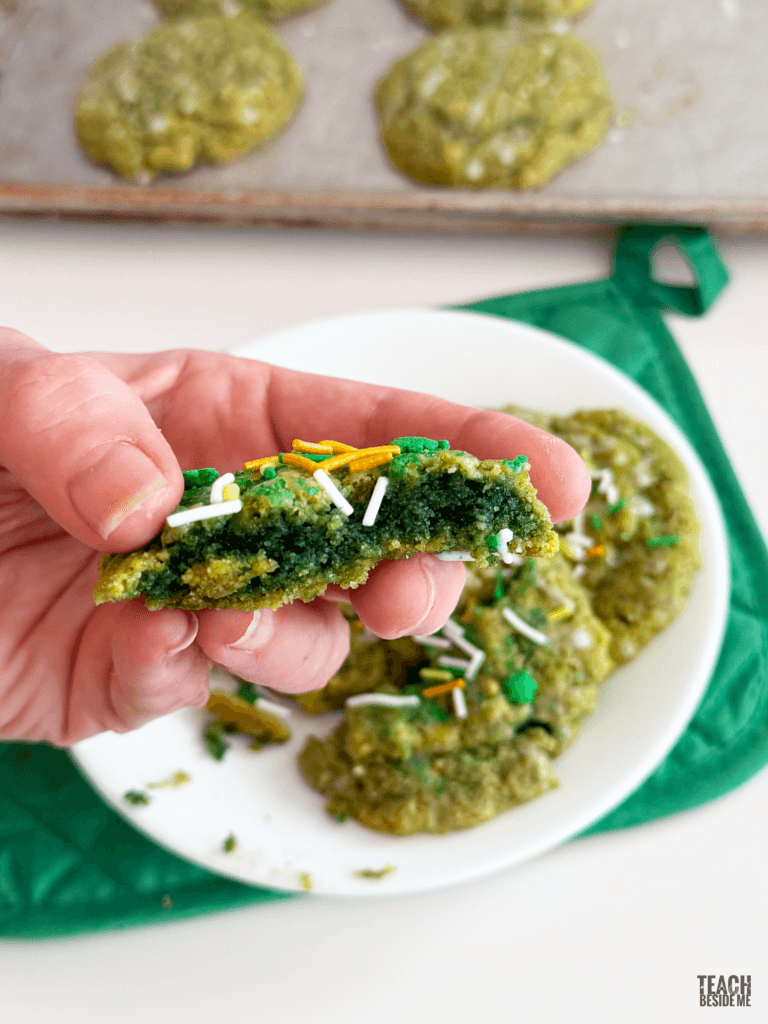
93. Sunflower Seed Color-Changing Cookies Experiment
Science fair question: How does the amount of baking soda affect the color of sunflower seed cookies?
Make cookie dough using sunflower seed butter or ground sunflower seeds, adjusting only the amount of baking soda. Bake equal-sized cookies under the same conditions and compare their color after cooling. Sunflower seeds contain chlorogenic acid, which can react under alkaline conditions and produce a green color.
94. Fruit Ripening Experiment
Science fair question: How does storing bananas with ripe apples affect how quickly they ripen?
Place similar bananas in separate containers, with one group stored alongside ripe apples. Keep the temperature and lighting consistent, then photograph and compare the bananas’ ripeness over several days.
95. Cookie Baking Experiment
Science fair question: How does the amount of baking soda affect how much cookies spread?
Make batches of cookie dough with different amounts of baking soda while keeping the other ingredients consistent. Bake equal-sized portions under the same conditions and measure the diameter of each cookie.
Light, Sound, and Magnetism Science Fair Project Ideas
Explore the invisible forces and waves that shape our world! These science fair projects investigate how light travels, how sound is produced, and how magnets interact with different materials. From creating rainbows to building electromagnets, students can discover the physics behind everyday phenomena.
96. Rainbow Light Experiment
Science fair question: How does the angle of a prism affect the position of a rainbow?
Explore these rainbow science experiments using a prism and a consistent light source. Rotate the prism through measured angles and record the position of the rainbow on a screen or wall. Keep the light source and prism location fixed.
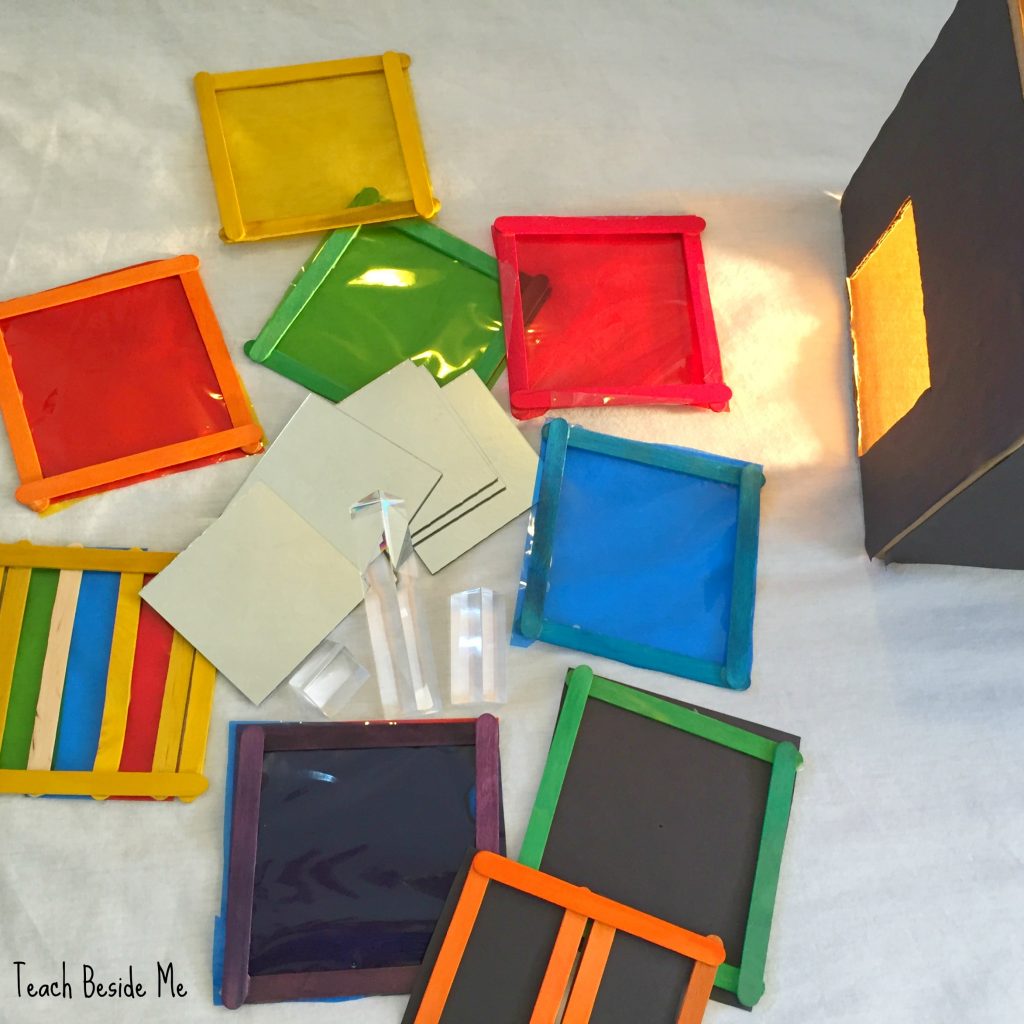
97. Color and Light Box Experiment
Science fair question: How does the number of colored filters affect the amount of light passing through them?
Build a DIY light box and test different numbers of overlapping colored cellophane filters. Keep the light source and filter color consistent, then measure the transmitted light with a light meter or light-sensor app.
98. Rubber Band Guitar Experiment
Science fair question: How does rubber band tension affect the pitch of the sound it produces?
Build a rubber band guitar using a box and rubber bands. Test how changing the tension of the same rubber band affects its pitch, keeping the vibrating length consistent. Pluck the band and use a frequency-analysis app to measure the sound produced at each tension.
99. Cup and String Telephone Experiment
Science fair question: How does string tension affect how clearly sound travels through a cup-and-string telephone?
Build a cup-and-string telephone using two paper cups connected by string. Test different levels of string tension while keeping the string length and cups the same. Have one person read a list of words at a consistent volume and record how many words the listener correctly identifies.
More sound science experiments: There are plenty of other ways to investigate how sound travels and how vibrations create different pitches. Try making a water xylophone and testing how the amount of water in each glass changes the pitch when tapped. You can also explore the other activities in our 5 Sound Wave Experiments collection, including a ringing tuning fork and a buzzing noisemaker. Each experiment can become a science fair project by changing one variable and measuring the results.
100. Levitating Magnets Experiment
Science fair question: How does adding weight affect the distance between two repelling magnets?
Try this levitating magnets experiment using ring magnets stacked on a vertical rod with like poles facing. Add small, measured weights to the upper magnet and record how the gap between the magnets changes.
101. Electromagnet Strength Experiment
Science fair question: How does the number of wire coils affect the strength of an electromagnet?
Wrap insulated copper wire around an iron nail to make an electromagnet. Test different numbers of coils while keeping the nail, battery voltage, and other conditions consistent. Measure how many identical paper clips the electromagnet can lift. Disconnect the battery between brief trials to prevent overheating.
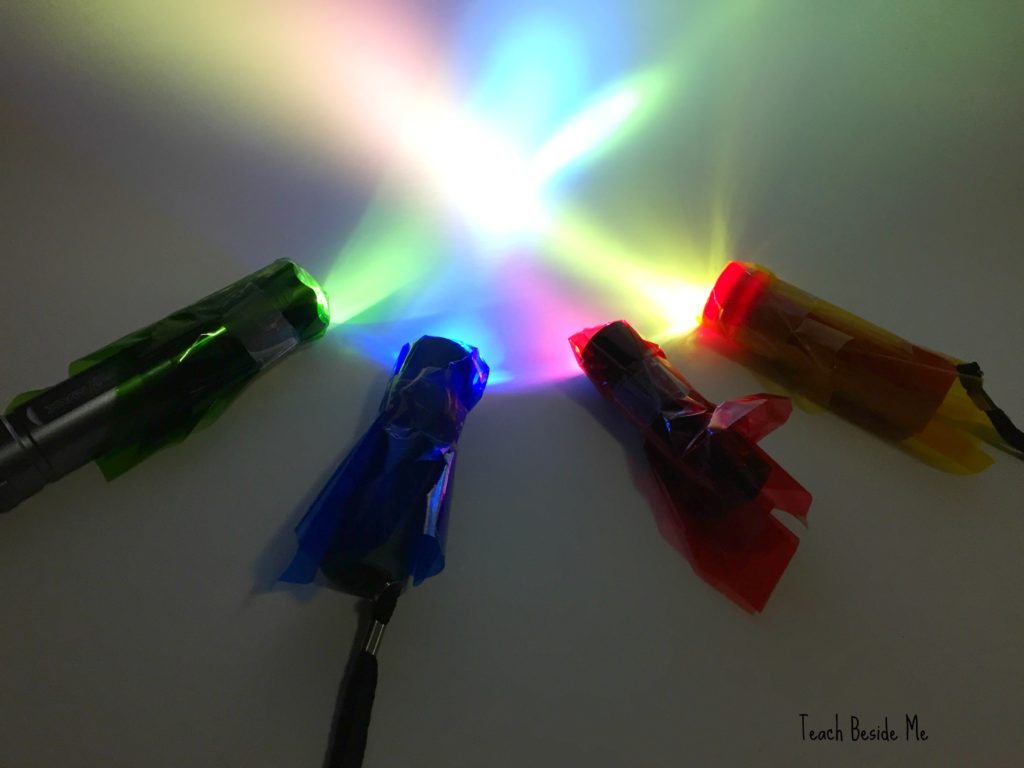
102. Color Mixing with Light Experiment
Science fair question: How does the brightness of one colored light affect the resulting mixed color?
Use the color mixing with light experiment to overlap red, green, and blue light beams. Keep two light sources at constant brightness while changing the brightness of the third. Photograph the overlapping light using fixed camera settings and compare the resulting RGB color values.
103. Dancing Sugar Sound Wave Experiment
Science fair question: How does sound frequency affect the movement of sugar on a vibrating surface?
Try the dancing sugar sound experiment by stretching plastic wrap tightly over a glass and sprinkling sugar on top. Play different sound frequencies through a speaker at a consistent volume and distance. Record how much the sugar moves at each frequency, using video to compare the results.

104. Exploring Magnetic Fields Experiment
Science fair question: How does magnet shape affect the pattern of its magnetic field?
Use this exploring magnetic fields experiment with iron filings suspended in mineral oil to visualize magnetic field patterns. Compare different magnet shapes in the same container, photographing each pattern from a fixed position. Compare the shape and extent of the visible patterns.
105. Solar Energy and Light Color Experiment
Science fair question: How does the color of a transparent filter affect the electrical output of a solar panel?
Place different colored transparent filters over a small solar panel. Keep the light source, distance, and panel position consistent, then measure the voltage and current produced under the same electrical load for each filter.
How to Turn a Science Experiment Into a Science Fair Project
Not every fun science experiment is automatically a science fair project! A demonstration shows how something works, while a science fair investigation asks a question, tests a variable, and collects evidence to find an answer.
For example, making a baking soda volcano is a fun chemistry demonstration. But what happens if you change the amount of baking soda? Does it affect the height of the eruption? Now you have a question you can investigate!
To turn an experiment into a science fair project:
- Ask a testable question. Choose something you can measure or observe.
- Make a hypothesis. Predict what you think will happen and explain why.
- Change one variable. Keep other conditions as consistent as possible so you can make a fair comparison.
- Repeat your experiment. Run multiple trials to make your results more reliable.
- Record your data. Use measurements, photographs, charts, or tables to document what happens.
- Analyze your results. Look for patterns and determine whether your evidence supports your hypothesis.
- Share your conclusions. Explain what you discovered, what might have affected your results, and what you would investigate next.
Remember, a successful science fair project doesn’t have to prove your hypothesis correct. Unexpected results are part of real science!
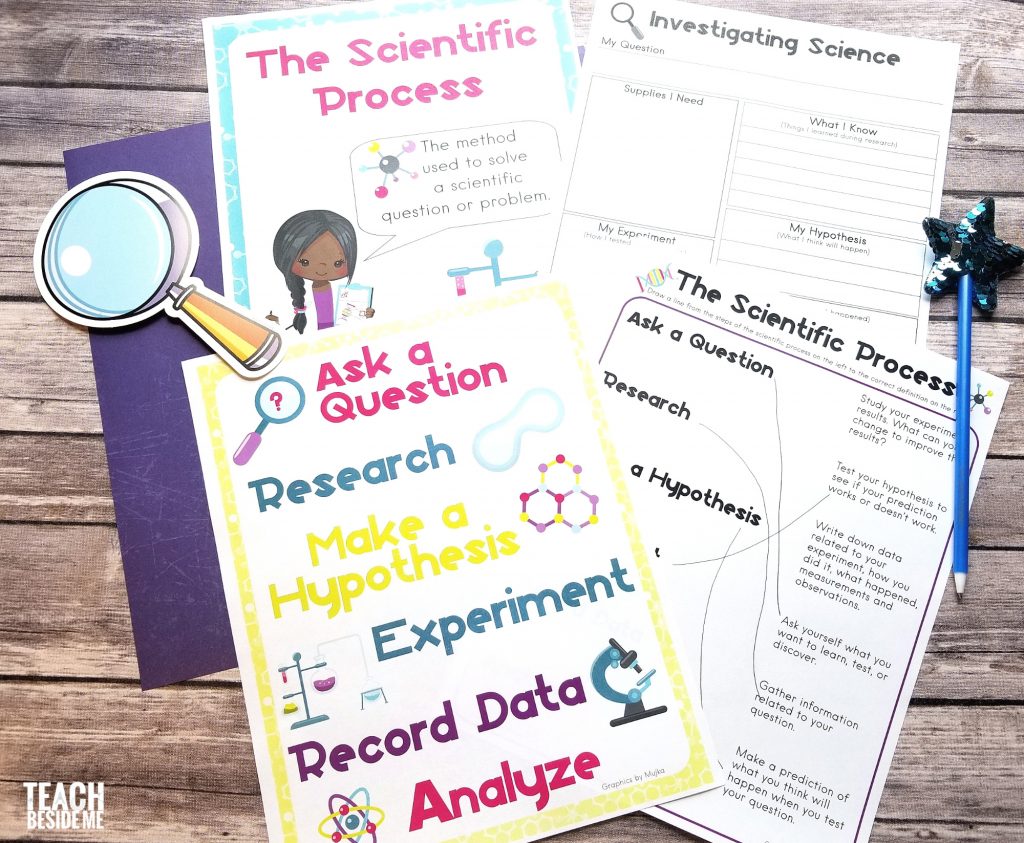
Scientific Method Worksheets and Posters
Found a science fair project you want to try? Now it’s time to put the scientific method to work!
Our Scientific Method Worksheets and Posters are a helpful resource for guiding students through the investigation process. The printable set includes colorful posters explaining the six steps of the scientific method, a vocabulary matching activity, and a science experiment worksheet.
Students can use the experiment worksheet to organize their research question, hypothesis, background information, testing procedure, results, and conclusions. It’s a great companion to any of the science fair project ideas above!
See the Scientific Method Worksheets and Posters here!
Frequently Asked Questions About Science Fair Projects
What is the difference between a science experiment and a science fair project?
A science experiment can simply demonstrate a scientific principle. A science fair project usually involves investigating a specific question, testing a hypothesis, changing a variable, collecting data, and drawing a conclusion based on the results.
What are some easy science fair projects?
Some simple options include testing paper towel absorbency, comparing how quickly different materials dissolve, investigating apple browning, measuring paper airplane flight distances, or experimenting with plant growth. Many of these use inexpensive materials and produce results that are easy to measure.
How long should a science fair project take?
It depends on the experiment! Some investigations can be completed in a day, while others require several weeks of observation. Be sure to allow extra time for repeated trials, data analysis, and preparing a display or presentation.
What should be included on a science fair display board?
Most science fair display boards include the project title, research question, hypothesis, background research, materials, procedure, results, graphs or photographs, conclusion, and references. Always check your school’s science fair guidelines for specific requirements.
The best science fair projects begin with curiosity! Whether you’re exploring chemical reactions, testing engineering designs, or investigating the natural world, there’s always something new to discover. Choose a question that interests you, experiment with different ideas, and see where your discoveries lead. Remember, science isn’t just about getting the right answer. It’s about asking questions, solving problems, and learning something along the way. Happy experimenting!